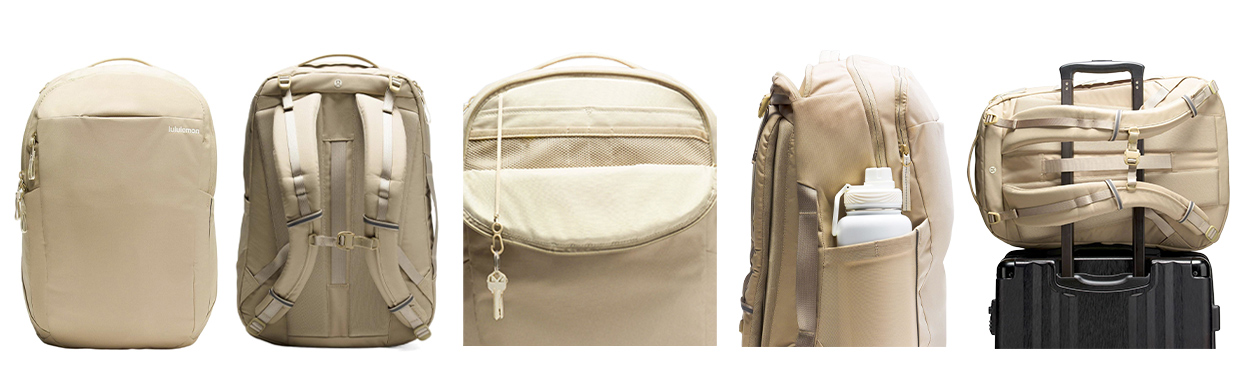
What size backpack does a high school student need

For high school students, a backpack is not just a container for books, but a daily "partner" that accompanies them through their journey. It needs to fit heavy textbooks and exam papers, navigate crowded hallways, and even squeeze into increasingly narrow lockers. Choosing the right-sized high school student backpack is not only about comfort; it directly impacts the spinal health of students who are in a critical stage of development. In today's increasingly segmented bag industry, how can we combine industry standards with our own needs to find the "perfect fit" backpack? This article will explore the underlying logic of choosing a backpack for high school students from the following dimensions.


Ⅰ, Dimensions

According to industry standards, the size of the backpack should be tailored to the user's height, ensuring that the selected backpack meets ergonomic requirements in terms of height, width, and depth. This ensures that it not only meets functional needs but also effectively reduces the physical burden on students, avoiding excessive pressure.


1. Backpack Height

The height of the backpack should be selected based on the student's height. Generally, it should not exceed the distance from the shoulders to the waist, as this can prevent the weight of the backpack from being overly concentrated. Therefore, the backpack height is usually recommended to be between 40-50 cm.


2. Backpack Width

The selection should be based on the student's shoulder width. A width that is too wide may cause discomfort when carrying the backpack, affecting back balance, while a width that is too narrow may not accommodate enough items, impacting the backpack's practicality. Generally, the width of the backpack should be kept between 30 to 35 centimeters.


3. Backpack Depth

A backpack that is too deep can cause an unstable center of gravity, making it prone to tilting to one side and increasing the load on the student. A backpack with an appropriate depth can better distribute the weight of the items and avoid discomfort while carrying. Therefore, the depth of the backpack is generally controlled between 15-20 cm.


Here is a more detailed guide for selecting the size:

Height(cm) Backpack Height(cm) Backpack Width(cm) Backpack Depth(cm)
155-165 40-45 30-33 15-18
165-175 42-48 32-35 16-20
Above 175 45-50 33-35 18-20

OEM School Backpack


Ⅱ, Storage Capacity

In the bag industry, capacity is another critical dimension, usually measured in liters(L). The formula to calculate a backpack's capacity is as follows:

Capacity (L) = Height (cm) × Width (cm) × Depth (cm) ÷ 1000


For high school students, their learning needs are more complex, often requiring them to carry more textbooks, notebooks, stationery, and other items. Therefore, choosing a backpack with the appropriate capacity not only ensures that students can carry all the essentials but also helps reduce the burden on their body, avoiding unnecessary physical stress.


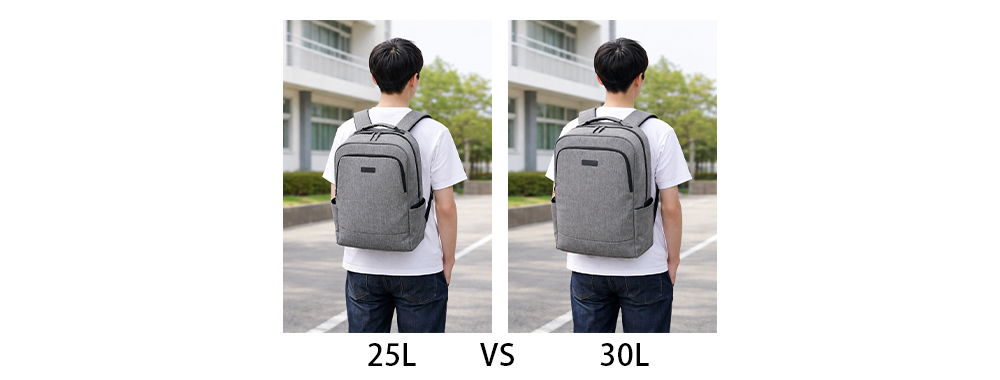
Based on industry experience and widespread user feedback, there is a general consensus both within and outside the industry that a backpack capacity of 25-30L is the most suitable range for high school students. The specific choice of capacity should still depend on the student's individual needs, usage habits, and the amount of items they need to carry daily.


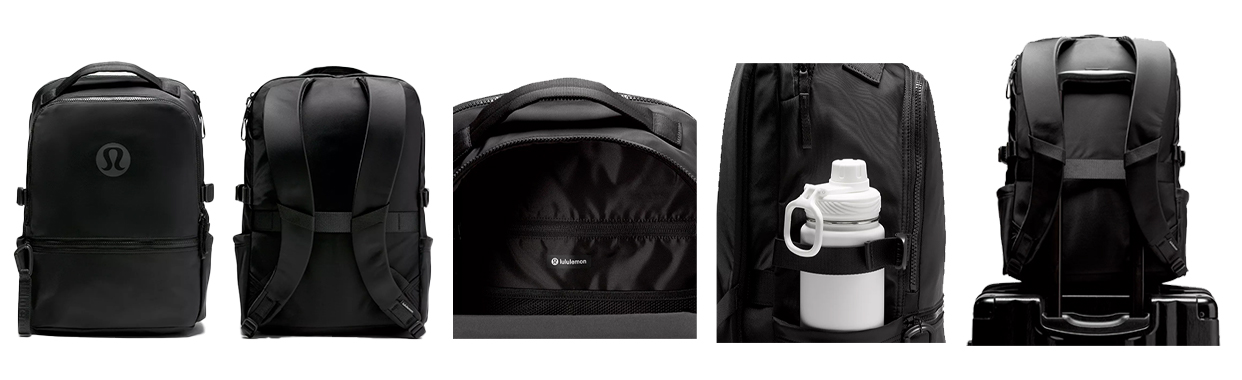
1. 25L Backpack: The corresponding dimensions are approximately 45 cm (height) x 30 cm (width) x 18 cm (depth)

This is the ideal choice for most high school students. It offers ample storage space while maintaining a relatively light carrying feel, avoiding unnecessary pressure on the shoulders and back due to an oversized capacity. For most basic items required for classes, a 25L backpack is more than enough to meet daily needs.


2. 30L Backpack: The corresponding dimensions are approximately 48 cm (height) x 32 cm (width) x 20 cm (depth)

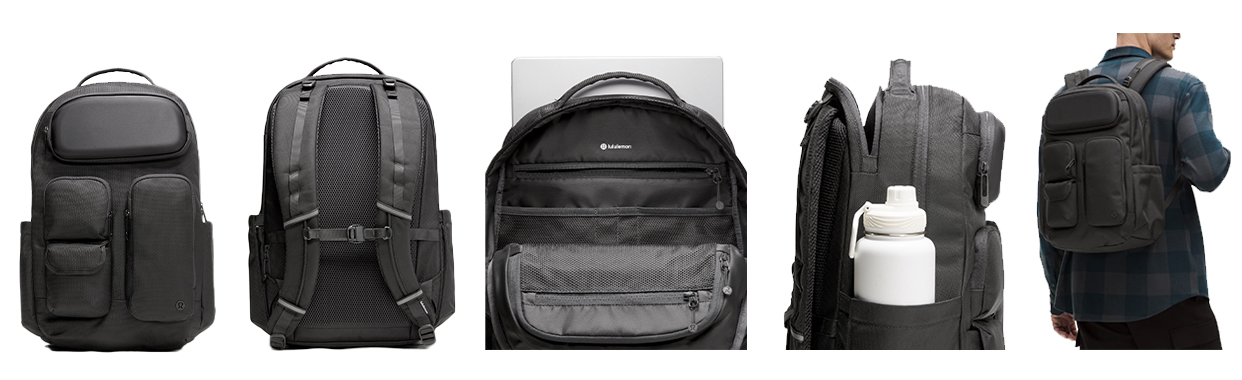
This is suitable for students with heavier academic workloads or those who need to carry additional items, such as extracurricular books, sports equipment, or other materials. Although a 30L backpack has a larger capacity, which allows for more storage, it's essential to pay attention to the backpack's design to ensure the weight is effectively distributed, preventing concentrated pressure that could cause strain on the shoulders and spine.

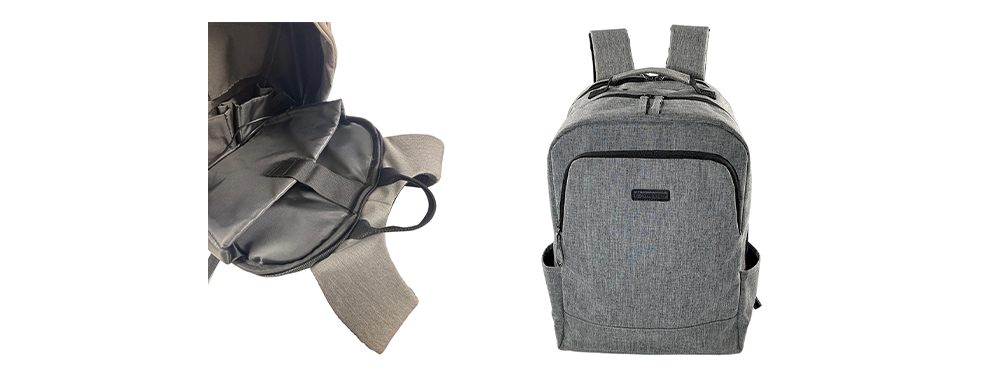
 custom laptop backpack

Ⅲ, Application Scenario

High school students backpacks now need to adapt to multiple scenarios. Below is an expansion of backpack requirements for different scenarios:


1. Commuter Students

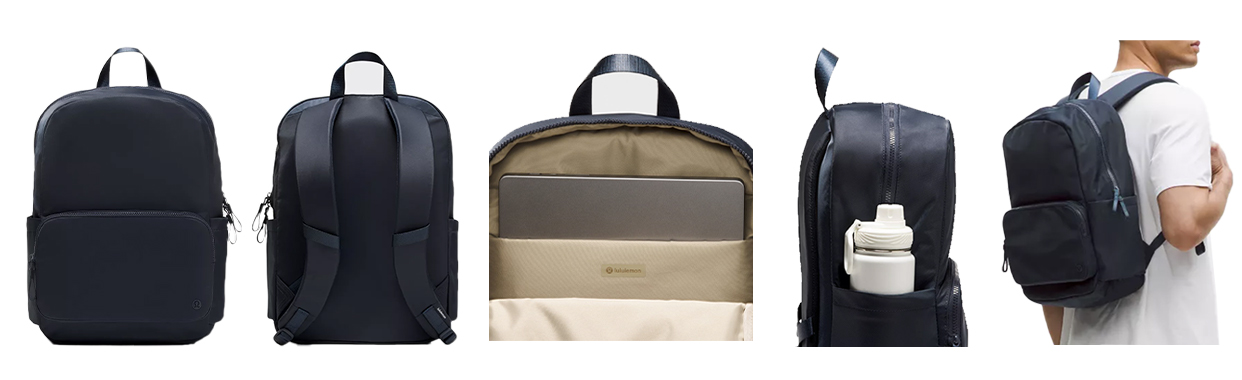
For commuter students, the backpack mainly carries textbooks, stationery, and personal essentials. A capacity of 20-25L is usually most suitable. This size is enough to hold the necessary study materials and small personal items such as a phone, keys, and other essentials.


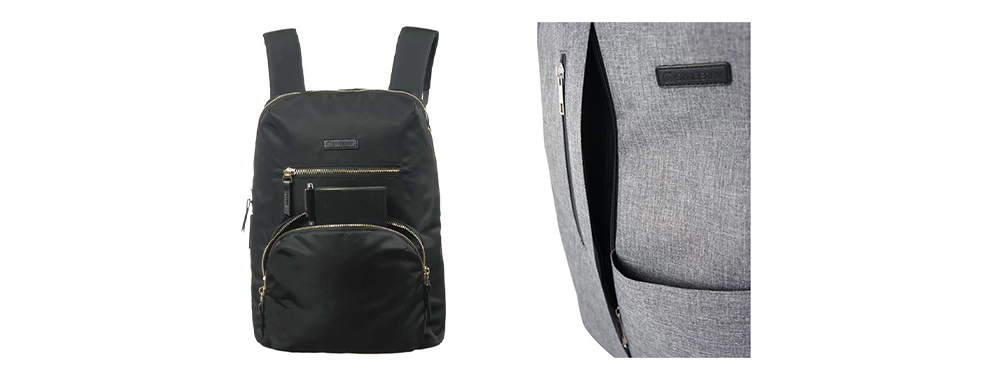
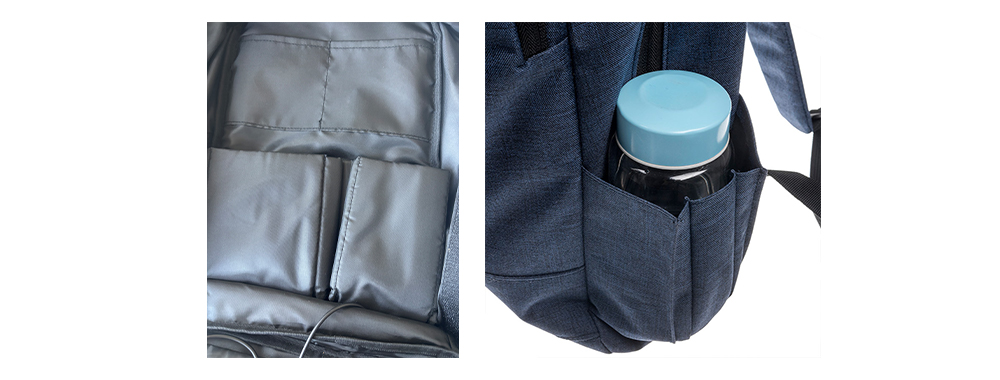
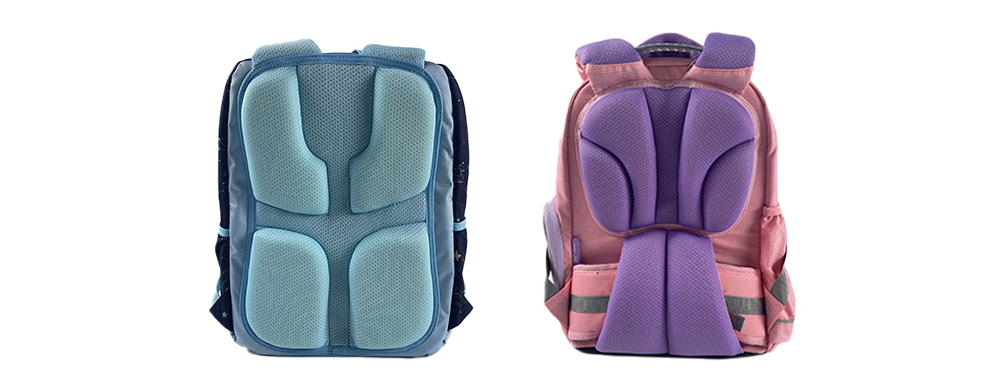
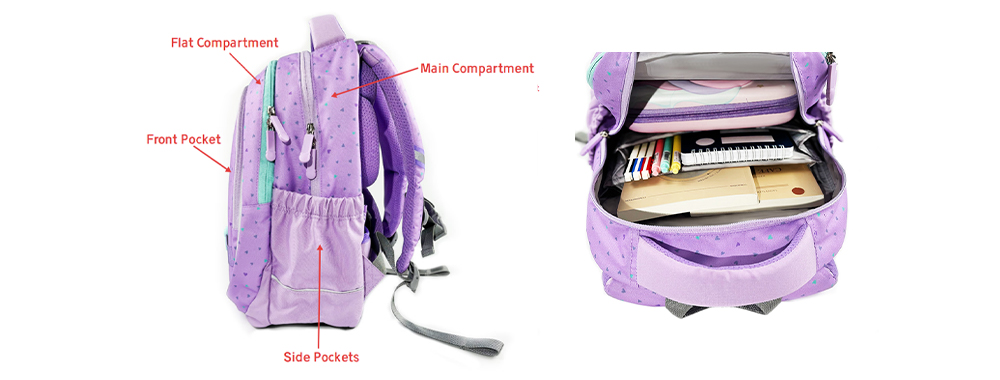
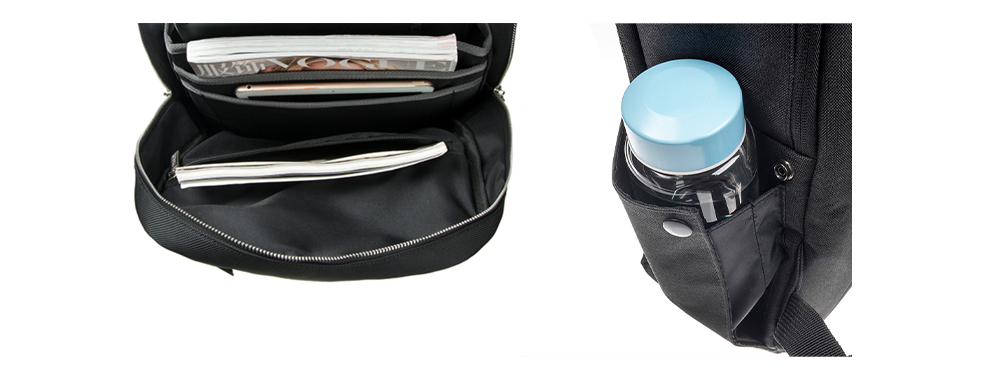
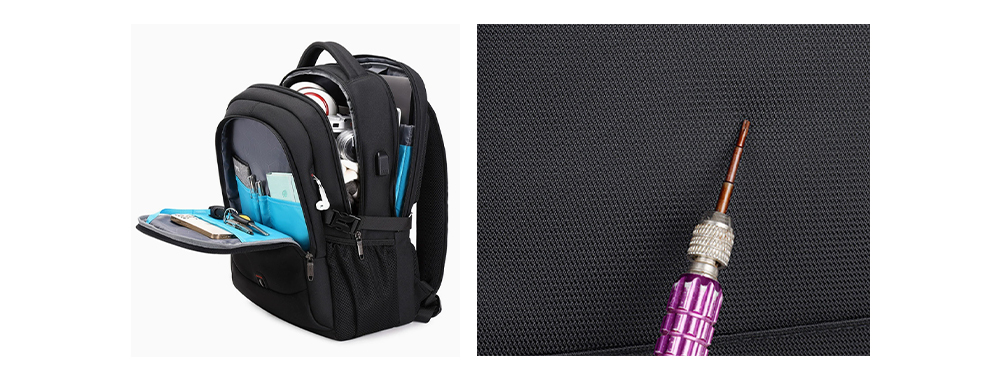
In addition to capacity, the comfort of the backpack is particularly important, as it needs to be carried for long periods every day. Therefore, the design of the shoulder straps must be ergonomically designed to reduce the burden. Additionally, multiple compartments and storage designs are crucial, as they help students quickly find the items they need, improving efficiency.


2. Boarding Students

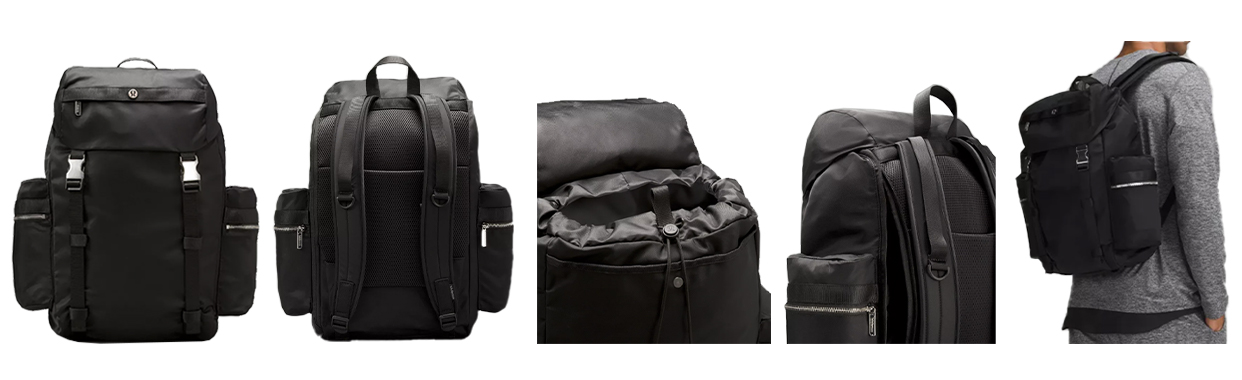
Compared to commuter students, boarding students have more complex backpack needs. Since they need to carry more items (such as clothes, daily necessities, etc.), the required backpack capacity is larger, typically ranging from 30-35L.


Their backpacks not only need more storage space but also require a well-organized internal compartment design to categorize and store different types of items, preventing things from being scattered and reducing search time. Additionally, the backpack for boarding students should be durable enough to withstand the weight of heavier items.


Ⅳ, Electronic Device Compartment Size

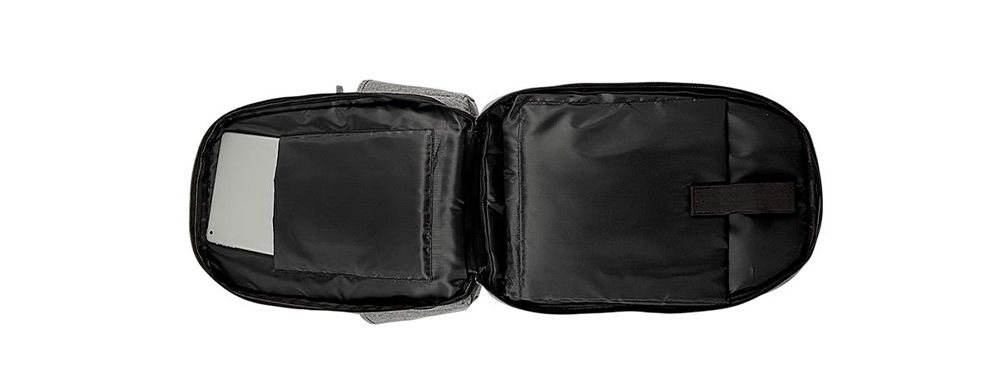
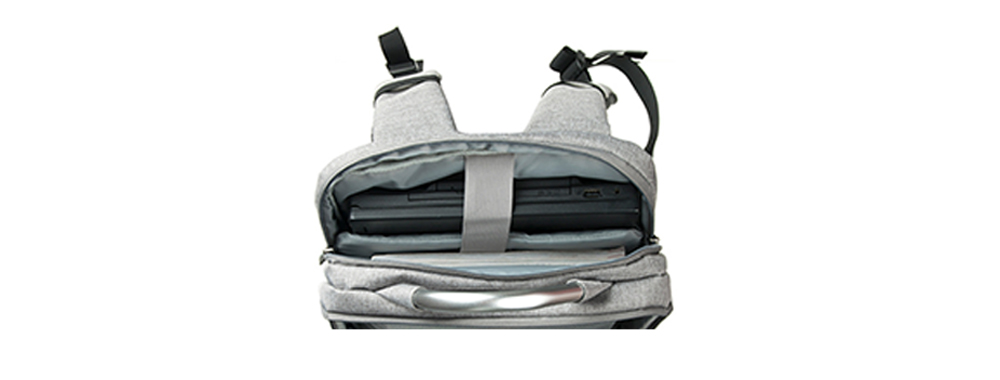
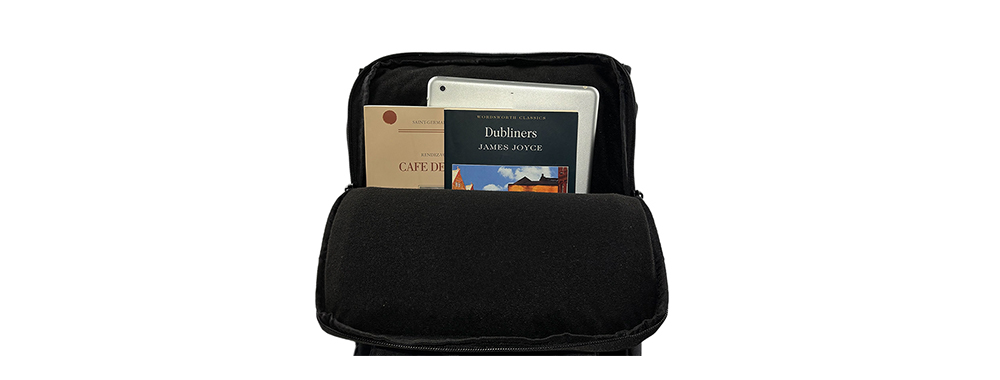
When choosing a backpack for high school students, the size of the electronic device compartment is an important consideration. With the widespread use of technology, more and more high school students need to carry laptops, tablets, or other electronic devices. These devices are not only tools for learning but also help improve classroom efficiency. Therefore, the backpack must provide enough space to store these devices and include dedicated compartments to protect them from collisions and scratches.


1. Laptop

As education gradually shifts towards digitalization, many high school students need to carry laptops for classroom learning and after-school assignments. Generally, backpacks with a capacity of around 30L are suitable for carrying 13-15 inch laptops. This size not only accommodates the laptop but also provides enough space to store textbooks, stationery, and other learning tools.


2. Tablets and Other Electronic Devices

Compared to laptops, tablets and other electronic devices are smaller in size, so the required backpack capacity is relatively lower. Backpacks with a capacity of around 25L are typically suitable for carrying a tablet. This size provides enough room to store the tablet, some basic study supplies (such as notebooks and folders), and other small electronic devices.


Ⅳ, Other specific suggestions for high school students and parents.


1. Always try it on

Pack the bag with items that approximate the actual weight it will carry (you can bring your own books to the store), adjust all straps, and check if it fits the contours of your back.

 Roll top 20L Vibrant Floral Backpack

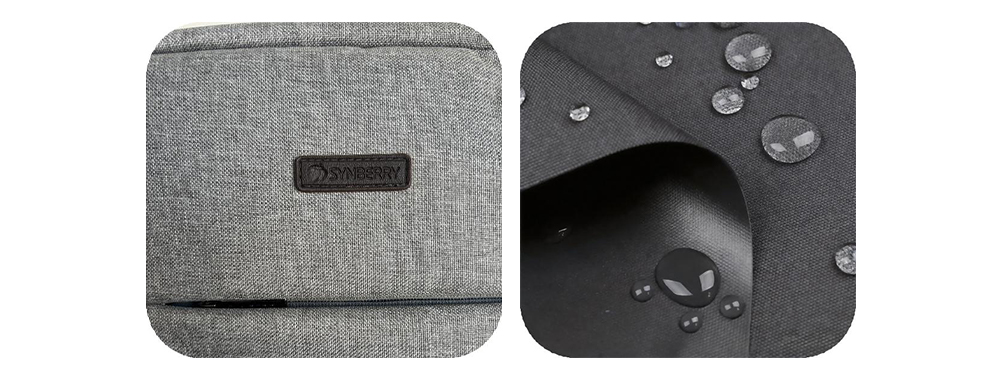
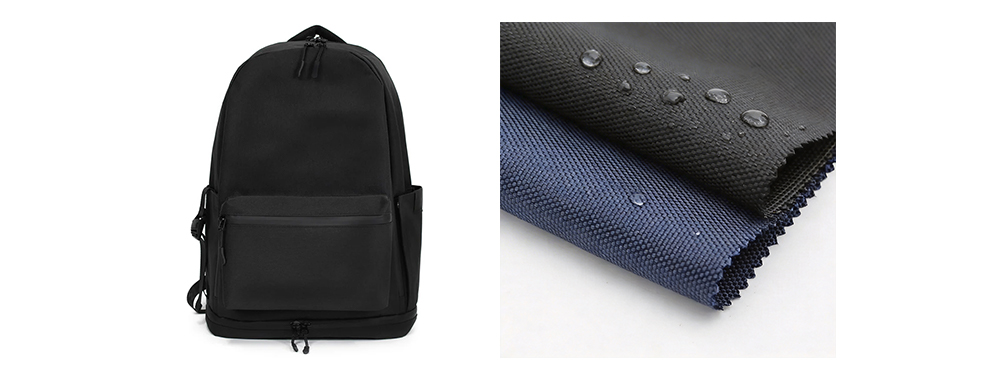
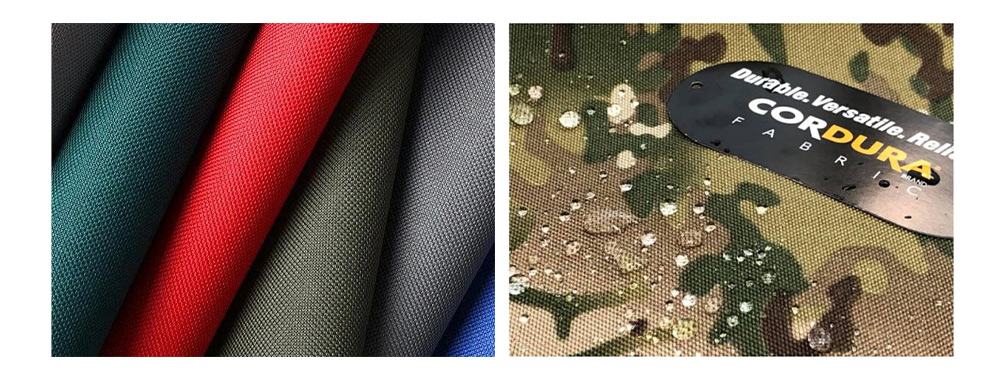
2. Choose lightweight nylon or polyester materials

These materials are not only tear-resistant and durable but also lightweight. If the backpack itself is too heavy, even with the right capacity, it will unintentionally add to the load.


3. Check the details

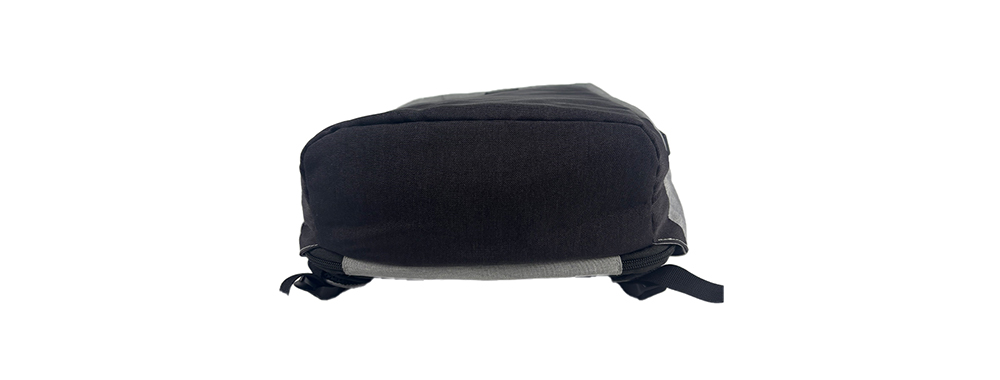
Check if the zipper is smooth and the hardware is durable, the stitching is solid (especially at stress points), and the bottom is reinforced with wear-resistant material.


4. Shoulder Strap Width

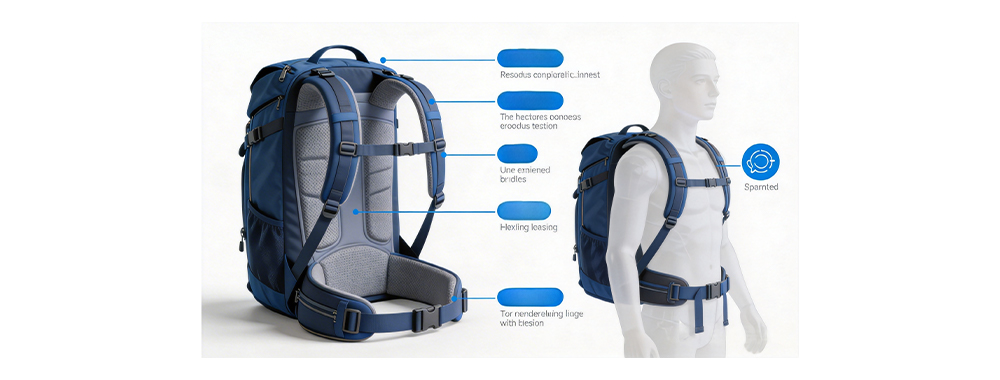
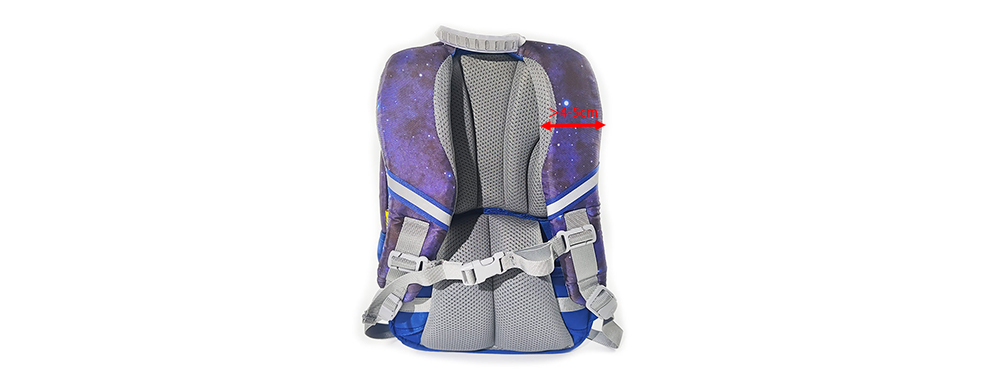
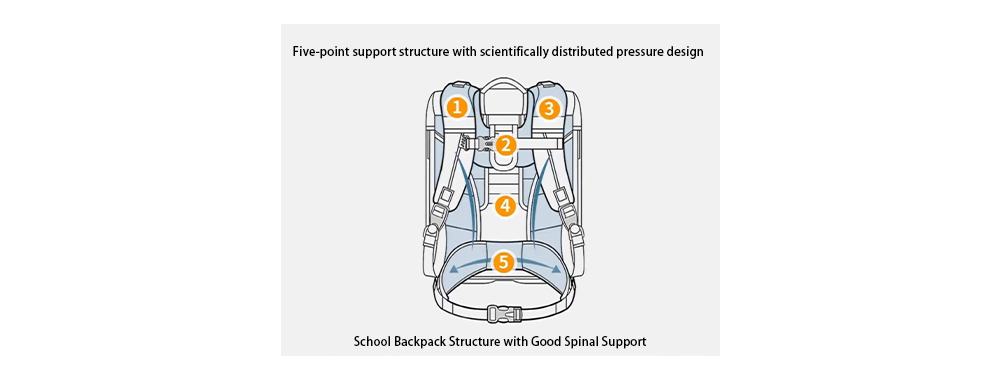
Shoulder straps that are too thin can dig into the shoulders like a knife. Industry standards recommend that the shoulder strap width should not be less than 5 cm, with thick padding inside to help distribute the pressure on the shoulders.


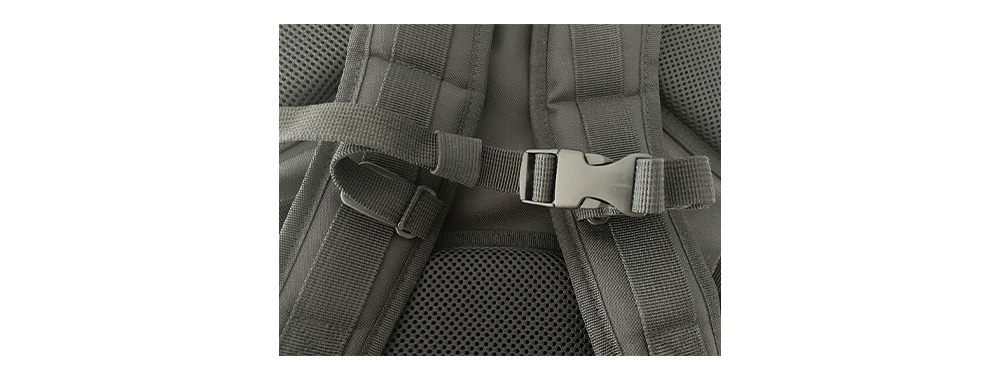
5. Waist and Chest Straps

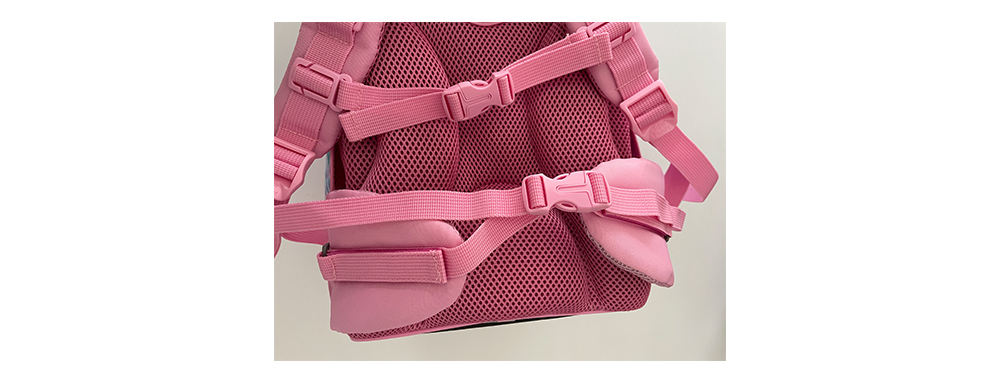
These are not just for outdoor backpacks. Many high-end student backpacks now come with adjustable chest and waist straps that transfer some of the weight from the shoulders to the pelvis, improving stability by up to 40%.


6. Reflective Strips 

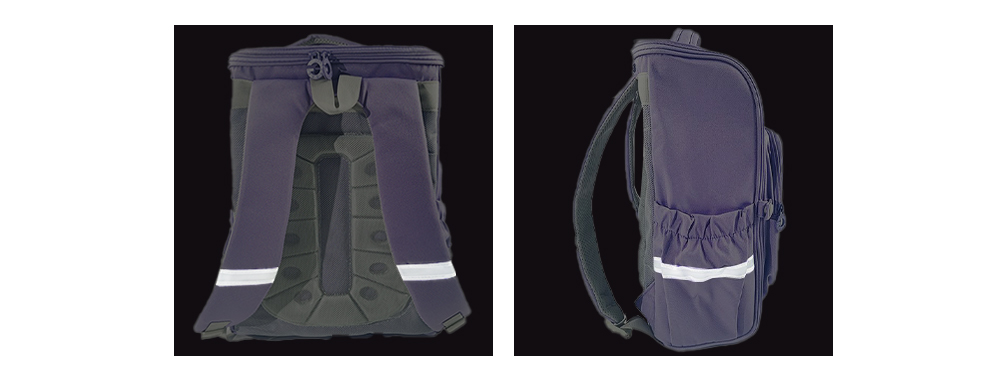
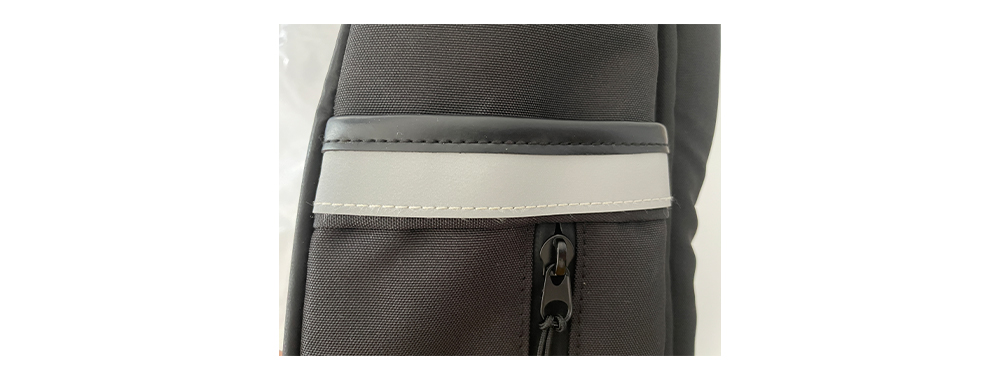
Considering that high school students may walk home in the dark after evening study sessions, the front, sides, and shoulder straps of the backpack should be equipped with reflective materials at least 20 mm wide. This is an important feature for ensuring safety during nighttime travel.


7. Safety Standards

When purchasing, pay attention to the product label to ensure the backpack meets relevant safety requirements. This is the basic guarantee that the backpack is non-toxic, harmless, and of acceptable quality.


8. Beware of Misconceptions

Never fall into the trap of "bigger is better." A study by the American Academy of Pediatrics points out that when the weight of a backpack exceeds 10% of a student's body weight, it significantly increases the risk of back pain and posture problems. For example, for a high school student weighing 65kgs, the maximum safe weight is 6.5kgs. A fully packed 35L backpack can easily reach this limit.


9. Balance budget and quality

A high-quality backpack should last 2-3 school years with reasonable use. Mid-range brands priced between 300-600 RMB usually offer a good balance between quality, functionality, and design.


10. Pay attention to usage habits

Develop a daily habit of organizing your bag, removing unnecessary items, and avoid carrying it on one shoulder, as this can lead to posture imbalance over time.


Choosing synberry backpack for high school students may seem like purchasing an everyday item, but in reality, it’s about selecting a healthy habit, a learning method, and a form of personal expression. The bag industry is moving towards a more scientific, personalized, and sustainable direction, with the core focus always being: supporting teenagers in carrying their dreams on their academic and growth journey, without letting the burden hinder their development. With a properly sized and scientifically designed backpack, every high school student can confidently move towards their future.

  Author  


Why are JanSport backpacks so popular

When it comes to everyday backpacks, few brands can match the recognition and reputation of JanSport. For over 50 years, JanSport has been a must-have for students, travelers, hikers, and anyone in need of a durable and practical backpack.  What exactly makes JanSport backpacks so enduring? This article will analyze from various perspectives why JanSport backpacks continue to dominate the market, becoming a household name and maintaining their leading position.

sports backpack

Catalogue:

  • Brand History
  • Product Durability
  • Functional Practicality
  • Personal Expression
  • Cultural Symbols
  • Pricing Positioning
  • Marketing Evolution


1.Brand History

In 1967, in Seattle, three young individuals—Murray McCory, Jan Lewis (the "Jan" in the brand name), and Skip Yowell—founded JanSport in a garage. Their original goal was simple: to create lightweight aluminum-frame backpacks for mountaineering enthusiasts.

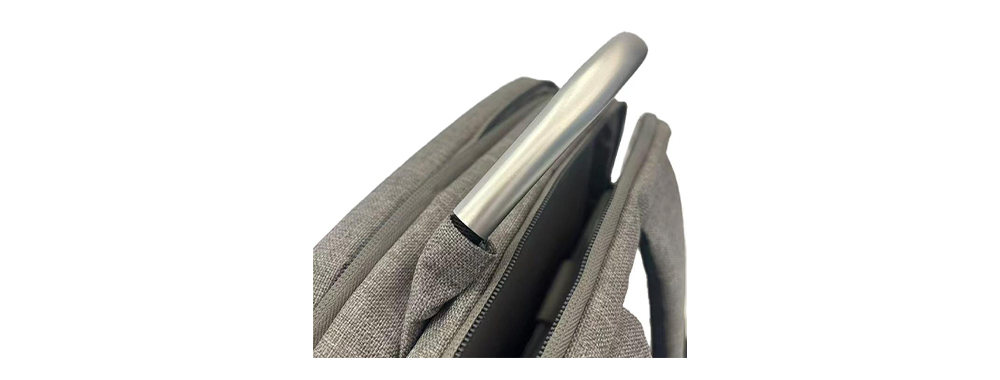
 Aluminum alloy frame backpack

At the time, most mountaineering backpacks were bulky and expensive, but JanSport’s innovation made outdoor adventures more accessible. The real turning point came in 1984—students at the University of Washington discovered that these backpacks, originally designed for hiking, were perfect for carrying books! JanSport quickly recognized this trend and launched the JanSport SuperBreak Backpack series, specifically designed for campus use.


This is considered the first “true” school backpack in history and marked JanSport’s strategic shift from an outdoor brand to a lifestyle brand.

JanSport SuperBreak Backpacks

Period

Brand Positioning

Milestone Products

Market Strategy

1967–1980s

Professional Outdoor Gear

Aluminum-Frame Hiking Backpacks

Outdoor Stores

1984–2000s

Campus Student Backpacks

SuperBreak, Right Backpack

Campus Bookstores

2000s–2015

All-Scenario Lifestyle

Laptop Bags, Travel Bags

Department Stores

2015–Present

Retro Trend Culture

Collaborations, Limited Editions

Social Media


2.Product Durability (Lifetime Warranty)

Product durability is the core competitive advantage of JanSport Bags. Since its founding in 1967, the brand has consistently offered a lifetime warranty, a rarity in the backpack industry. Whether it’s a broken zipper, a torn shoulder strap, or loose stitching, JanSport will repair or replace the backpack for free. This absolute confidence in product quality gives consumers peace of mind when making a purchase.


Many users report that a JanSport backpack can easily last over ten years, sometimes accompanying them from their student years all the way into the workplace. Such longevity is especially valuable in today’s fast-consumption era. This durability is reflected in every detail:

  • Material Selection:

① 600D High-Density Polyester: Tear resistance is three times higher than ordinary fabrics.

② CORDURA® Nylon: Military-grade abrasion-resistant material, used in premium series.

③ Custom YKK Zippers: Smoothness tested for over 100,000 open-and-close cycles.

 600D & CORDURA

                               600D high-density polyester fiber                                                     CORDURA® 


  • Structural Reinforcement:

① Double Stitching: All load-bearing areas use double-needle stitching.

② Bar-Tack Reinforcement: Stress points are additionally reinforced to prevent tearing.

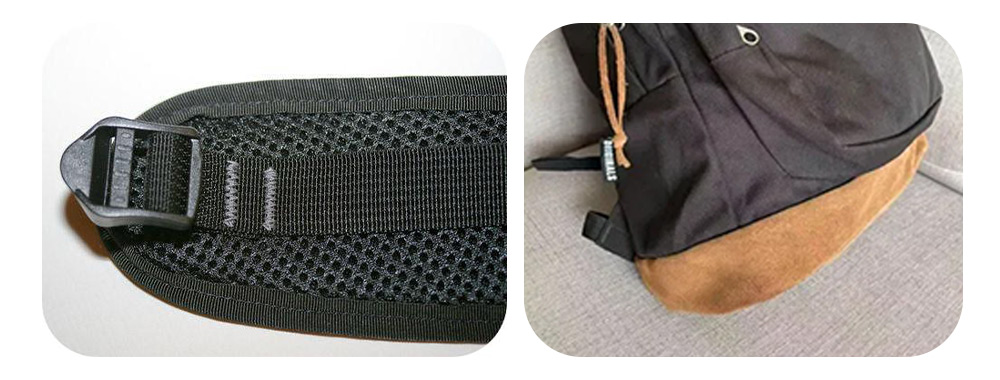
③ Right Pack Suede Bottom: Designed in 1975 and still used today, it has become part of the brand’s DNA.

 Bar-Tack& Right Pack suede sole

    Bar-Tack                                                                                                     Right Pack suede sole 


3.Functional Practicality

  • Perfect Balance of Classic Design and Practical Features: Take the SuperBreak series as an example. This design, born in the 1980s, has remained largely unchanged, with no added padded compartments, yet it continues to be a best-seller. Its simple rectangular shape, front pocket, and dual-zipper main compartment have no unnecessary embellishments, yet they perfectly meet the needs of daily commuting, campus classes, and short trips. The JanSport Right Backpack, with its iconic suede bottom, is not only a symbol of retro aesthetics but also a thoughtfully designed practical feature. This material is naturally abrasion-resistant and protects the bag when frequently placed on the ground, preventing wear and stains and significantly extending the backpack’s lifespan.

SuperBreak   & Right  Backpack

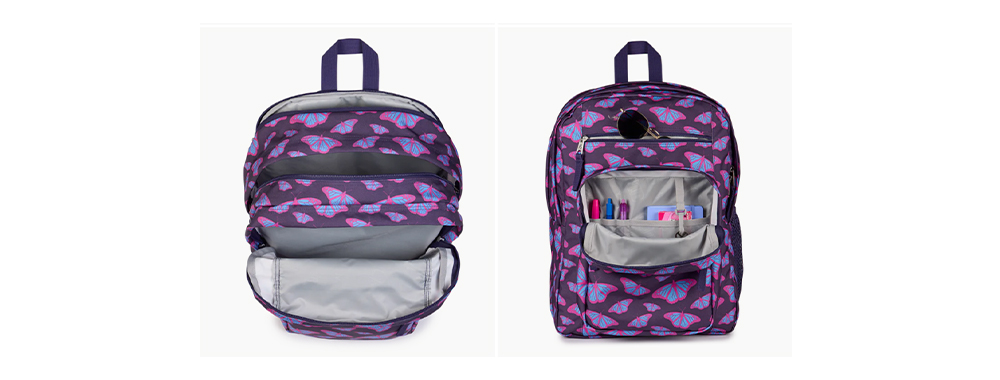
  • Multi-Functional Compartment System: With the advent of the digital age, JanSport has not remained tied to tradition but has continuously optimized its internal structure. Modern styles typically feature padded laptop compartments accommodating 13–15 inch devices; dedicated tablet pockets, pen slots, key rings, and water-resistant side pockets ensure that electronics, water bottles, and umbrellas all have their place. The Big Student series further increases capacity to 34 liters, featuring a dual main-compartment design and reinforced shoulder straps. The front pocket includes an organizer with thoughtful details such as headphone ports and ID windows, making it a compact mobile workstation.

Jansport Big Student Backpack .png

Jansport Big Student Backpack


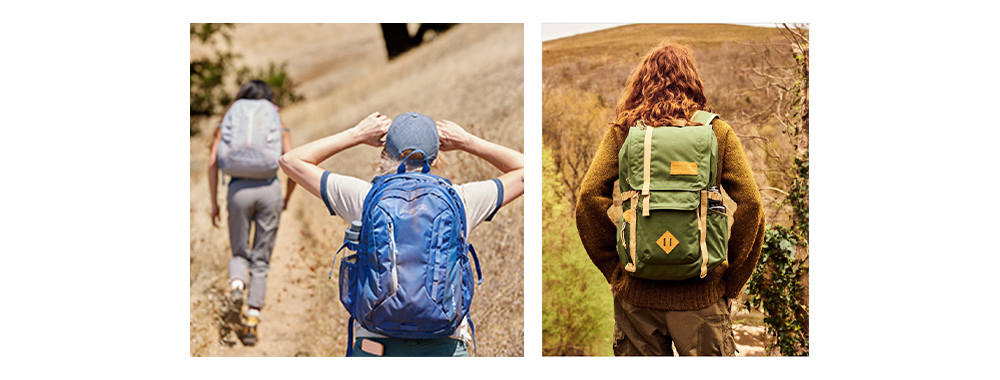
  • All-Weather Adaptability: Another practical highlight of JanSport backpacks lies in their material treatment. High-density polyester is treated with a water-resistant coating, protecting the contents from everyday rain splashes. Certain outdoor series, such as Agave and Hatchet, feature more advanced water-repellent fabrics and rain flap designs, suitable for light hiking and outdoor commuting. This seamless transition from classroom to the great outdoors allows a single backpack to cover up to 90% of a user’s scenarios, eliminating the need to purchase multiple bags for different activities.

 Agave Backpack & Hatchet Backpack   .png

              Jansport Agave Backpack                                 Jansport Hatchet Backpack 


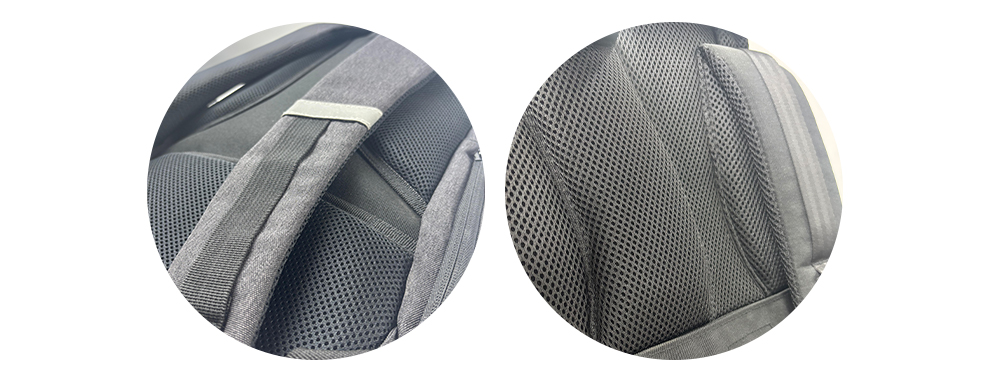
  • Ergonomic Evolution: Although JanSport is renowned for its classic designs, its improvements in the carrying system have never stopped. From the early simple shoulder straps to today’s S-shaped shoulder straps, breathable mesh back panels, and adjustable chest and waist straps, the brand has continuously applied outdoor backpack technology to everyday models. 


The Odyssey series, specifically designed for hot climates, features a 3D ventilated back panel that separates the back from the bag, creating an air circulation channel. Even when fully loaded in summer, the backpack remains relatively cool and comfortable. This dedication to ergonomic detail explains why many users choose the same backpack day after day, rather than frequently switching to a new one.

SuperBreak &  Odyssey Backpack    png

            SuperBreak                                                Jansport Odyssey Backpack 


4.Personal Expression

  • Diverse Color Options: Each year, the brand releases over 300 color variations:

① Classic Series: Black, Navy, Burgundy (timeless choices)

② Seasonal Series: Mint Green, Coral Orange, Lavender Purple (seasonally inspired)

③ Patterned Series: Starry Sky, Camouflage, Floral, Geometric (for personal expression)

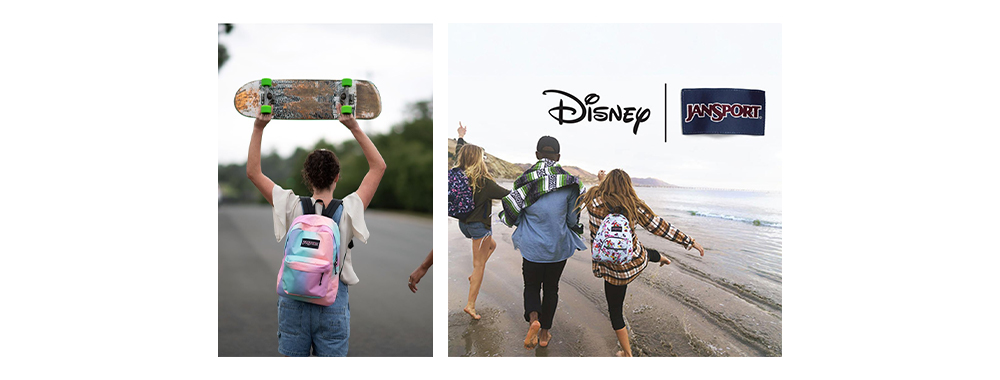
④ Collaboration Series: Disney, Marvel, Harry Potter, artist collaborations (collector’s value)

Personal Expression


  • User Co-Creation Culture:

JanSport encourages users to personally customize their backpacks:

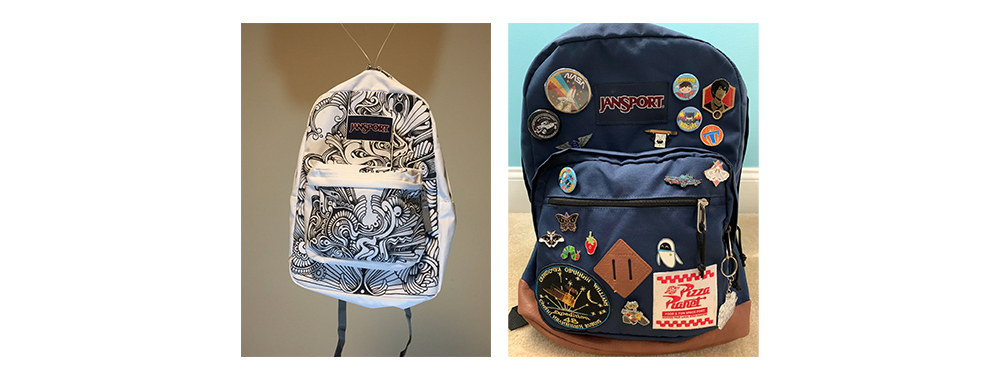
① Graffiti Culture: Drawing on solid-color backpacks with markers.

② Pin Culture : Decorating shoulder straps and backpack surfaces with    pins and badges.

 Graffiti Culture & Pin Culture

This “classic + trend” dual-track strategy not only ensures the loyalty of long-time users but also continually attracts younger consumers. A single backpack can become an extension of personal style, and JanSport provides a sufficiently rich canvas for self-expression.


  • Material Innovation: While maintaining its classic appearance, JanSport continuously explores the possibilities of new materials. The Recycled SuperBreak series, launched in 2019, is made from 100% recycled polyester, with each backpack consuming approximately 20 recycled plastic bottles. It retains the brand’s signature durability while addressing younger consumers’ interest in sustainable fashion. 


The See Through series, made with transparent PVC, boldly breaks from tradition, allowing contents to be visible—making it a popular choice for music festivals and security checkpoints. Meanwhile, the use of reflective materials in the night cycling safety series cleverly combines personalization with functionality, providing a distinctive visual signature in low-light conditions.

Jansport See Through

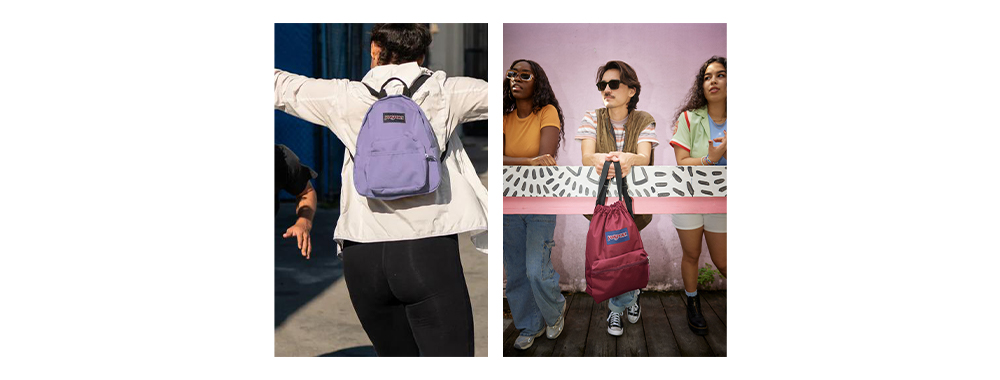
  • Iterative Innovation: JanSport while maintaining its signature style, the brand continuously introduces fresh structural variations that catch the eye. The JanSport Mini Backpack series recreates the iconic SuperBreak design at 70% scale, perfectly tapping into the current "mini bag" trend and becoming a must-have accent for street style influencers.


The Cool Student series, meanwhile, builds on the traditional backpack by incorporating vintage bowling bag elements—cylindrical side pockets and contrasting zippers—which preserve brand recognition while injecting a streetwear edge. The Draw Sack series completely reimagines the conventional backpack with a drawstring closure and minimalist cylindrical silhouette, offering a new option for users seeking lightweight, effortless carry—whether it’s for gym clothes or weekend market runs, items can be stowed in a relaxed, casual manner. This approach keeps longtime fans engaged with constant novelty while ensuring the brand’s DNA remains intact.

 JanSport Mini Backpack & JanSport  Draw Sack

5.Cultural Symbols

  • A Backpack That Grows With You:JanSport is more than just a brand—it’s a symbol of growing up. If you grew up in North America, chances are you owned a JanSport backpack, or at the very least, saw one in nearly every classroom. It represents growth, independence, and the cherished memories created during school years, road trips, and spontaneous adventures.


  • Nostalgia-Driven Loyalty: For many people, their first JanSport backpack is more than just a practical item—it is a vessel carrying cherished memories. This emotional connection keeps customers loyal to the brand as they grow older, and they may even pass the backpack down to younger siblings or their own children.

A Backpack That Grows With You

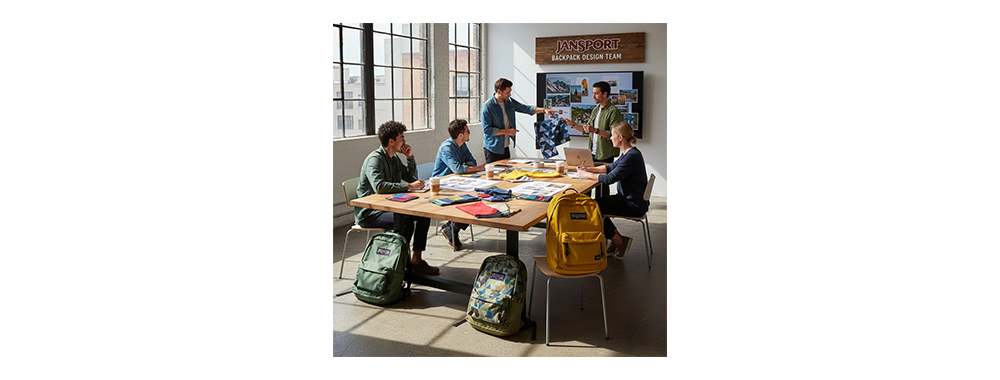
  • Founder’s Vision and Company Structure: The design heritage of the JanSport brand originates from its founders, and today, this spirit is carried forward by a dedicated in-house design team. This structure is common among major brands, ensuring that every product aligns with the core philosophy of the brand. The team operates under the larger VF Corporation, which also owns other well-known brands such as The North Face and Vans, allowing them to share resources and gain deep insights into global trends.


JanSport’s design process balances the brand’s origins with the demands of the global market. From selecting seasonal fabrics and colors to developing new backpack models, the in-house team manages every step. They must maintain the classic reliability that customers expect while continually innovating to attract new audiences. For the brand’s owners, this “innovation within tradition” organizational structure exemplifies the power of building a strong internal creative vision.

Design team.


6.Price positioning

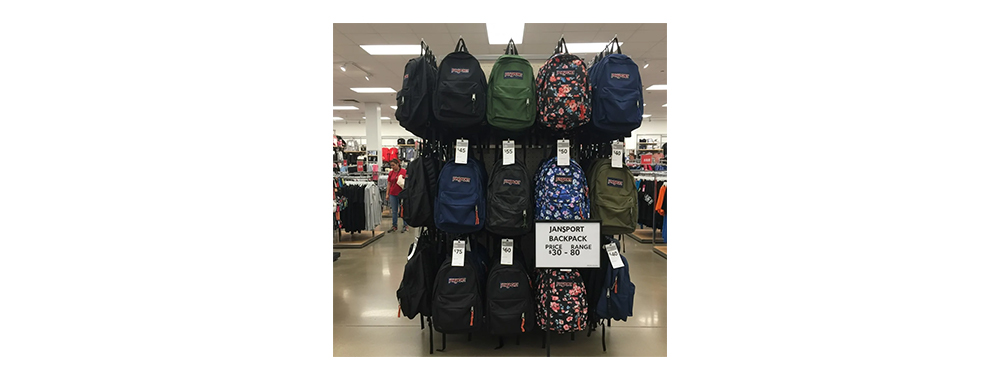
One of JanSport’s biggest strengths is offering high-quality backpacks at affordable prices. Most JanSport backpacks fall in the $35 to $80 range. Entry-level models, like the SuperBreak, can be snagged for around $35 during sales. More feature-packed backpacks—those with laptop compartments or crafted from premium materials—cost around $100. Whether you’re a parent buying for multiple children or a budget-conscious college student, JanSport delivers outstanding value. It’s hard to find a backpack that combines such reasonable pricing with excellent craftsmanship and reliable warranty service.

Price positioning

Pricing is one of the most challenging aspects of launching a backpack brand. You need to strike a balance between material costs, labor costs, and the value you provide to your customers. JanSport excels in this area. Their pricing strategy centers on affordability. Core products are priced reasonably to meet the needs of their primary target audience—students.


7.Marketing Evolution

JanSport’s marketing strategy has evolved over time, demonstrating remarkable adaptability:

  • 1.0 Era: Channel Dominance (1967–2000)

① Campus ambassador program: Recruiting student representatives at universities.

② Bookstore channel monopoly: Exclusive partnerships with chains like Barnes & Noble.

③ Organic word-of-mouth: Relying on spontaneous recommendations driven by product quality.


  • 2.0 Era: Digital Transformation (2000–2015)

① E-commerce development: Building the official online store.

② Social media seeding: Platforms like Instagram and Pinterest.

③ KOL collaborations: Working with campus influencers and lifestyle creators


  • 3.0 Era: UGC Marketing (User-Generated Content) (2015–Present)

A classic example is the 2023 TikTok campaign:

① #JanSportChallenge: Encouraging users to share their “oldest JanSport” backpacks.

② Collaborations with retro aesthetic influencers: Promoting the “Y2K campus style” (vintage American school vibe).

③ Limited “Back to School” color releases: Creating scarcity and excitement.

Results: Single-day sales hit a record high in brand history. Generation Z grew from 12% to 31% of the customer base. JanSport has proven that a heritage brand can successfully leverage new traffic channels—provided it finds the right balance between brand DNA and platform tone.


Conclusion:

JanSport’s success is about more than just backpacks—it’s about trust, functionality, heritage, and everyday stories. From its beginnings as a mountaineering gear brand to becoming the backpack of choice for millions of students and travelers worldwide, JanSport has earned people’s love and a place in their closets.


This proves that sometimes simplicity, quality, and reliability outweigh fleeting trends. Whether you’re gearing up for a new school year, planning a weekend adventure, or simply looking for a dependable, durable backpack, JanSport is a brand you can trust.


Looking to create a product with the reliability and cultural impact of JanSport? SYNBERRY specializes in crafting high-quality, durable backpacks that perfectly reflect your brand image and values. Whether you’re aiming for affordable student backpacks or custom high-performance professional packs, we are here to bring your vision to life—stitch by stitch. Let’s create timeless classics together. Contact us today to start your next essential backpack design journey.


  Author  


How to Use Paper Balloon Sticks for Party Decorations

You want party decorations that stand out, right? A paper balloon stick makes it easy. You just pop a balloon on the stick and set it anywhere. No helium. No mess. You get bright, floating color for any event. Anyone can use a paper balloon stick for amazing results.


Key Takeaways

  • Choose biodegradable paper balloon sticks for green party decorations. They break down on their own and help cut down plastic trash.
  • Combine different balloon sizes and colors for bright displays. This makes the party more fun and fits your party theme.
  • Hold your decorations in place with weights so they do not fall over. You can buy weights or make some using sand or small rocks.


Paper Balloon Stick Basics and Preparation

custom size printed pattern paper sticks


Essential Materials

You do not need a lot to get started. Here is a quick checklist for your party setup:

  • Disposable Multicolor Balloon Paper Sticks
  • Latex balloons
  • Quick connect cups (these hold the balloon on the stick)
  • Balloon weights (to keep your decorations in place)
  • Optional: ribbons, stickers, or flowers for extra flair

You can find most of these at party stores or online. If you want to help the planet, choose paper balloon sticks instead of plastic. Paper sticks break down naturally, so they do not harm the environment. Plastic sticks can stay around for years and cause pollution.


Choosing Balloons and Sticks

Pick latex balloons for the best results. They work perfectly with paper balloon stick and quick connect cups. The cups and sticks are made to fit latex balloons, so you will not have trouble attaching them. You can find these sticks in different lengths. Short sticks look great for table centerpieces. Long sticks work well for floor displays.

Want your party to pop? Mix balloon sizes and colors. Try big and small balloons together. Use colors that match your party theme. Bright colors make the room feel happy. Pastel shades give a soft, dreamy look.


Setting Up for Assembly

Set up your workspace before you start. Clear a table and lay out all your supplies. Make sure you have enough room to move around. Keep scissors, tape, and a hand pump nearby. If you use embellishments like ribbons or flowers, put them in small bowls for easy grabbing.

Tip: Inflate all your balloons first. This makes assembly faster and keeps things organized.

Now you are ready to build your decorations with paper balloon sticks!


Step-by-Step Assembly and Decoration Ideas

Custom Size Colorful Paper Sticks for Balloon Bulk


Attaching Balloons to Sticks

You can start by inflating your balloons. Use a hand pump for quick and easy results. Tie a knot at the end of each balloon. Take a quick connect cup and slide the knotted end of the balloon into the slot. Push the cup onto the top of the paper balloon stick until it clicks into place. If you want extra security, add a small dot of hot glue where the cup meets the stick. This keeps everything steady, even if kids play with the decorations.

Tip: Don’t overinflate your balloons. They look best when they are round and firm, not stretched.


Creating Centerpieces with Paper Balloon Sticks

You can make eye-catching centerpieces with just a few steps. Here’s a simple way to arrange your PAPER BALLOON STICK decorations:

  1. Choose a color scheme that matches your party theme. Pick two or three colors for a coordinated look.
  2. Use sticks of different lengths. This adds height and makes your centerpiece more interesting.
  3. Cluster the balloons together. Place taller sticks in the middle and shorter ones around the edges. Make sure the balloons balance each other so the centerpiece looks full from every angle.

You can place your finished centerpiece in a vase, a decorative pot, or even a mason jar. These displays work great for birthday tables, baby showers, or even as gifts.


Adding Weights and Embellishments

Balloons can tip over if you don’t anchor them. Attach a balloon weight to the bottom of each stick or group of sticks. You can use store-bought weights or make your own with small bags of sand or pebbles. This keeps your decorations in place, even if there’s a breeze.

Want to add some flair? Wrap ribbons around the sticks or tie bows at the base. Stick on some themed stickers or tuck in a few silk flowers. You can even add a sprinkle of confetti inside the vase for a fun surprise.

Note: Embellishments help your display stand out and match any party theme.


Tips for Party Themes and Displays

You can use paper balloon stick decorations in many ways. Oversized balloons make a bold statement. Try using one big balloon in the center and smaller ones around it. Balloon archways look amazing at entrances or behind the cake table. You can build these by connecting several sticks and arranging them in a curve.

Match your balloon colors to your party theme for a polished look. For a princess party, use pinks and purples. For a sports event, pick team colors. Mixing balloon sizes and shapes adds excitement to your display.

  • Use clusters for a fuller look.
  • Place single sticks as party favors at each seat.
  • Add flowers or greenery at the base for a fresh touch.
Remember: The best displays use color, height, and balance to catch everyone’s eye.

With these ideas, you can turn simple paper balloon stick decorations into show-stopping party pieces.

You can use paper balloon stick to decorate any party. Setting them up is simple and you do not need helium. There are so many ways to use them. Make balloon arches, centerpieces, or even walls. You can also create fun things to wear. Some event planners build cool sculptures and photo backgrounds. Try out different colors and shapes. Your next party will look awesome!


FAQ

How do I keep my balloon sticks from tipping over?

You can add a balloon weight or use a small bag of sand. This keeps your decorations steady on any table.

Can I reuse paper balloon sticks?

Yes! You can use them again if they stay clean and dry. Just remove the old balloon and attach a new one.

What size balloons work best with paper sticks?

  • 9-inch and 12-inch latex balloons fit best.
  • You get a nice, round shape.
  • Oversized balloons may feel too heavy for the stick.

3 Cosmetic Tubes Compared Find Your Eco Match

You want packaging that aligns with your sustainability values. Aluminum cosmetic tubes stand out as the most eco-friendly option. Aluminum offers durability, lightweight design, and full recyclability. Brands choose aluminum because you can recycle it indefinitely without losing quality. Your ideal tube depends on your goals, product compatibility, and daily routine. Consider what matters most: environmental impact, durability, recyclability, or cost.


Key Takeaways

  • Aluminum tubes are the most eco-friendly option. They are fully recyclable and support a circular economy.
  • Plastic tubes are affordable and flexible but face recycling challenges. They often end up in landfills due to their complex design.
  • Eco-friendly tubes use biodegradable materials and recycled content. They help reduce plastic waste and promote sustainability.
  • Consider your product's needs when choosing packaging. Match the tube material to the formula for optimal performance.
  • Align your packaging choice with your sustainability goals. Balance cost, durability, and environmental impact for the best results.


Plastic Cosmetic Tubes

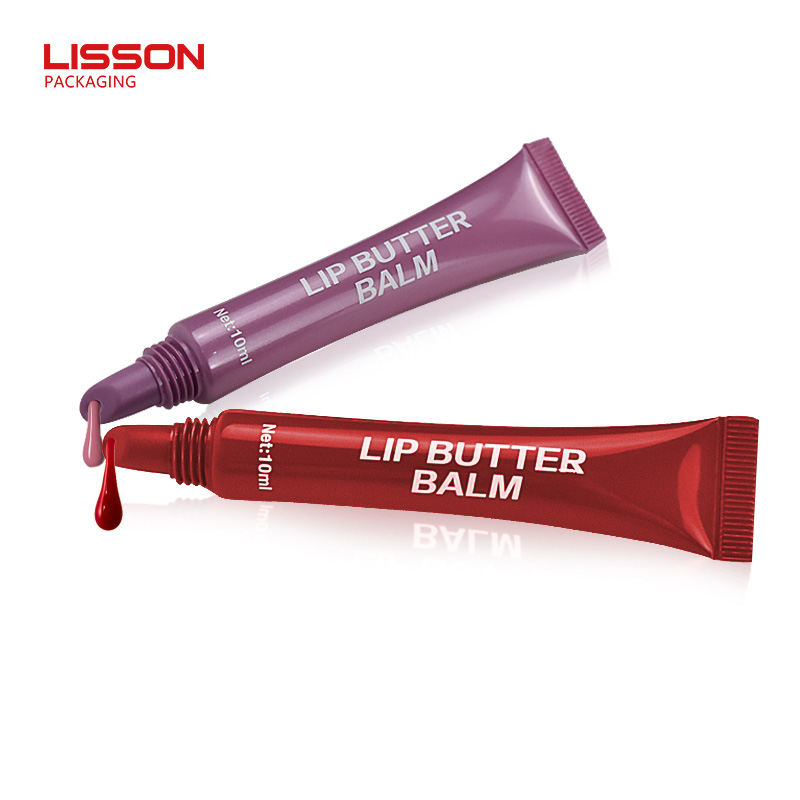
Plastic Tube Cosmetic Packaging Lip Gloss with Applicator

Environmental Impact

You encounter plastic cosmetic tubes everywhere in the beauty industry. Manufacturers often use polyethylene (PE) and polypropylene (PP) because these materials offer flexibility and lightweight properties. Traditional plastic tubes have a moderate carbon footprint. The production of plastics accounts for about 1-2% of total global emissions. While this share seems small, it still contributes to environmental concerns. Some brands now use sugarcane bioplastic tubes, which reduce emissions and carry certifications like the Carbon Footprint Standard. However, the packaging itself represents only a fraction of the total emissions from cosmetic products, as raw materials and consumer use generate the majority.


Recyclability

You may find recycling plastic cosmetic tubes challenging. Many tubes contain multiple layers of different plastics, along with pumps, caps, and labels made from non-recyclable materials. This complexity makes it difficult for recycling facilities to process them efficiently. As a result, a significant portion of plastic tubes ends up in landfills. You can improve recyclability by choosing tubes with simple designs and single-material construction.


Durability

Plastic cosmetic tubes provide flexibility and resist breakage during daily use. You can squeeze them easily, and they maintain their shape for most of their lifespan. However, they do not match the durability of aluminum tubes. Plastic tubes can puncture or deform under pressure, and their barrier properties do not offer the same long-term protection as metal alternatives.


Cost

You benefit from the affordability of plastic cosmetic tubes. They remain the most cost-effective option for many brands. The average cost per unit ranges from $0.05 to $0.35, depending on the material and design. This low price point makes plastic tubes attractive for both mass-market and specialty products.

Material

Average Cost per Unit (USD)

Notes

Plastic

$0.05 - $0.35

Most affordable, widely available

Aluminum

$0.15 - $0.90

Premium, used for high-end products

Eco-Friendly

Higher than plastic

Sustainable, but more expensive


Uses

You see plastic cosmetic tubes in a wide range of products. Common applications include:

  • Creams
  • Cleansers
  • Body lotions
  • Shampoos and conditioners
  • Hand creams
  • Sunscreens
  • Serums and eye creams
  • Toothpaste and shower gels

Plastic tubes suit products that require flexibility, easy dispensing, and cost efficiency.


Aluminum Cosmetic Tubes

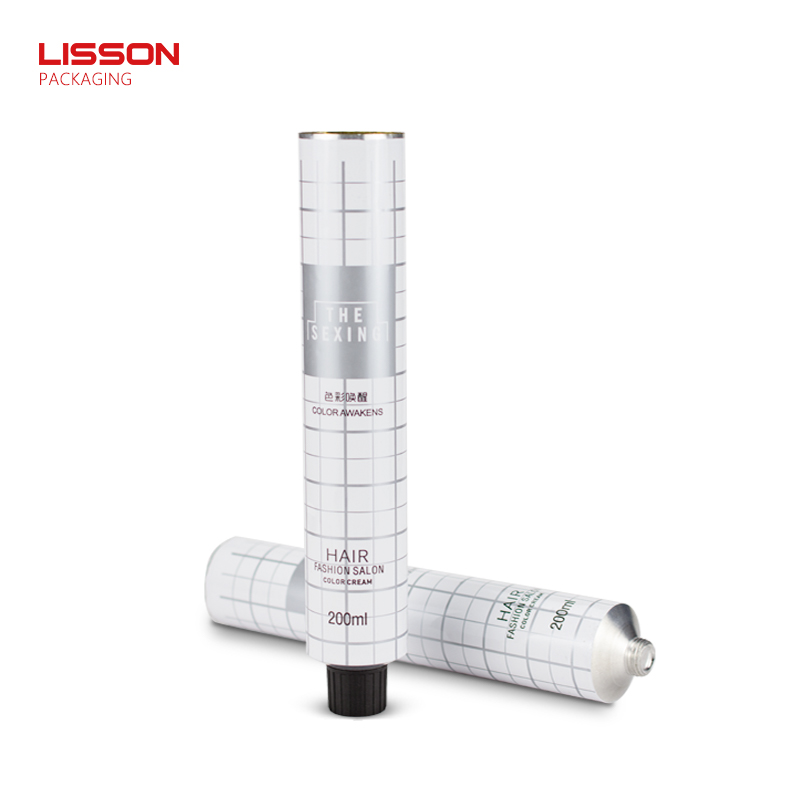
Empty Cosmetic Aluminum Tube Packaging Customization

Environmental Impact

You choose aluminum cosmetic tubes when you want a packaging solution with a lower long-term carbon footprint. Aluminum tubes are highly recyclable and can be recycled indefinitely without losing quality. This property reduces waste and supports a circular economy. The production of aluminum is becoming more energy-efficient, while plastic production remains energy-intensive and relies on non-renewable resources. Unlike plastic, aluminum does not degrade into harmful pollutants. Plastic can persist in the environment for hundreds of years and contribute to microplastic pollution.

  • Aluminum tubes are highly recyclable and support sustainability.
  • Plastic tubes face recycling challenges and often end up as litter.
  • Aluminum production is improving in energy efficiency.
  • Aluminum avoids harmful environmental degradation.

Tip: If you prioritize environmental responsibility, aluminum tubes offer a strong advantage over plastic alternatives.


Recyclability

You benefit from aluminum’s unique ability to be recycled endlessly without losing quality. Aluminum is known as a 'forever metal.' You can recycle it virtually infinitely without any degradation in quality or structural integrity. This makes aluminum cosmetic tubes ideal for repeated recycling and supports sustainability goals. Unlike many materials that lose properties during recycling, aluminum maintains its essential properties.


Durability

You rely on aluminum tubes for their robust barrier properties. Aluminum protects your product from air, light, and moisture. This ensures that creams, lotions, and serums remain fresh and potent. Aluminum tubes resist punctures and deformation, making them suitable for travel and daily use. You also benefit from their chemical resistance, which prevents reactions with sensitive formulas.


Cost

You pay a premium for aluminum cosmetic tubes. The average cost per unit ranges from $0.15 to $0.90. Aluminum requires more energy to produce than plastic tubes, which increases manufacturing costs. Brands often use aluminum for high-end or specialty products because of its premium appeal and protective qualities.


Uses

You find aluminum cosmetic tubes in products that demand freshness and protection. The table below shows common applications:

Product Type

Description

Creams

Keeps face creams fresh by blocking air and light.

Lotions

Protects lotions from contamination and enables easy dispensing.

Lip Balms

Provides precise application and prevents product drying.

Serums

Prevents oxidation, ensuring serums stay potent.

Aluminum tubes suit products that require a strong barrier, premium presentation, and repeated recycling.


Eco-Friendly Cosmetic Tubes

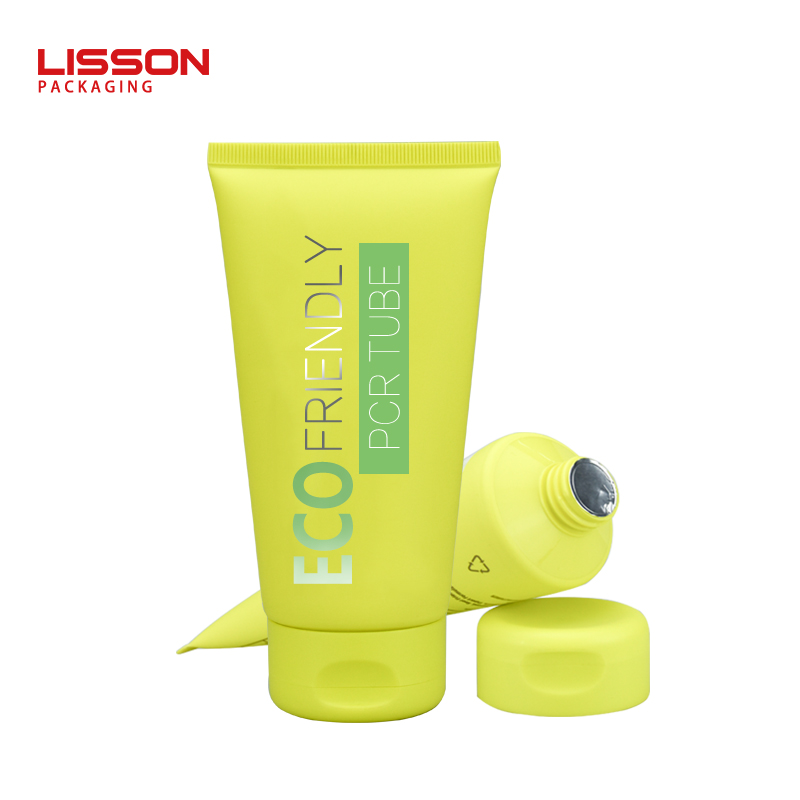
Sustainable Sugarcane Bioplastic Tube

Environmental Impact

You see eco-friendly cosmetic tubes as a response to the growing demand for sustainable packaging. Brands use materials like paper fibers, bioplastics, and compostable substances to minimize plastic waste and promote circularity. Biodegradable materials break down naturally, which reduces pollution and environmental impact. These tubes decrease reliance on fossil fuels and lower carbon emissions during production. Many brands now choose packaging made from recycled paper or post-consumer recycled plastics, which have a smaller carbon footprint than traditional virgin plastic. The average UK household produces around 23 kg of plastic packaging waste each year, much of it from cosmetics. In the United States, over 7.9 billion units of cosmetic waste contributed to global plastic pollution in 2018. Eco-friendly packaging helps address this challenge.


Recyclability

You benefit from the recyclability of eco-friendly cosmetic tubes. Paper-based tubes, such as PaperLuxe, often use FSC-certified paper, which ensures responsible sourcing. You can recycle these tubes in most curbside programs. Biodegradable tubes break down in composting facilities, leaving minimal residue. Post-consumer recycled plastics support a circular economy by reducing the demand for new plastic. You help close the loop when you choose packaging that is both recyclable and made from recycled materials.


Durability

You notice that eco-friendly cosmetic tubes offer adequate durability for everyday use. Paper-based tubes resist moisture with special coatings, but they may not match the strength of aluminum or plastic. Biodegradable tubes provide flexibility and withstand normal handling. You should store these tubes away from excessive moisture or heat to maintain their integrity. Brands continue to improve the durability of sustainable packaging to meet consumer expectations.


Cost

You pay a higher price for eco-friendly cosmetic tubes compared to traditional options. Sustainable materials and certifications, such as FSC, increase production costs. The average unit price often exceeds that of plastic tubes. You invest in eco-friendly packaging to support environmental goals and responsible sourcing.

Material

Average Cost per Unit (USD)

Notes

Paper-Based

$0.20 - $0.60

FSC-certified, compostable

Biodegradable

$0.25 - $0.70

Breaks down naturally

Recycled Plastics

$0.15 - $0.50

Supports circular economy


Uses

You find eco-friendly cosmetic tubes in products that emphasize sustainability. Common applications include:

  • Natural creams and lotions
  • Organic cleansers
  • Eco-conscious sunscreens
  • Biodegradable toothpaste
  • Sustainable hair care products

Note: You support environmental responsibility when you choose packaging made from FSC-certified paper or recycled materials.


Cosmetic Tubes Comparison

Key Differences

You want to make an informed choice. Comparing cosmetic tubes side by side helps you see the strengths and weaknesses of each option. The table below summarizes the main differences:

Tube Type

Environmental Impact

Recyclability

Durability

Cost

Design Flexibility

Plastic

Moderate, problematic waste

Limited, degrades after recycling

Flexible, less robust

Low

High

Aluminum

Lower when recycled

Infinite, no quality loss

Superior, strong

Higher (30-50% more)

Limited

Eco-Friendly

Reduced harm, sustainable

Compostable or recyclable

Adequate, improving

Higher initial

Moderate

  • Aluminum tubes offer excellent strength-to-weight ratio and superior durability. You pay more for them, but you gain premium protection and endless recyclability.
  • Plastic tubes remain cost-effective and versatile. You benefit from lighter weight and flexible designs, but you face environmental challenges and limited recyclability.
  • Eco-friendly tubes use biodegradable plastics or post-consumer recycled materials. You reduce environmental harm and support sustainability, though you invest more upfront.
  •  

Eco Match Factors

You need packaging that fits your values and product requirements. Consider these eco match factors:

  • If you prioritize endless recyclability and premium protection, aluminum tubes suit your needs. You support a lower carbon footprint when you recycle them.
  • If you want budget-friendly packaging and flexible design, plastic tubes work best. You choose them for mass-market products, but you accept environmental trade-offs.
  • If you value sustainability and responsible sourcing, eco-friendly tubes align with your goals. You invest in compostable or recycled materials and help reduce waste.

Tip: Match your packaging choice to your sustainability priorities. You can balance cost, durability, and environmental impact to find your ideal eco match.

You see that cosmetic tubes offer distinct advantages. Your decision depends on what matters most to you—recyclability, cost, durability, or environmental responsibility.


Choosing Your Eco Match

Sustainability Priorities

You should start by identifying your sustainability goals. If you want to minimize environmental impact, focus on materials that break down quickly or can be recycled easily. Consider these factors when selecting cosmetic tubes:

  • Eco-friendly options reduce harm to the environment.
  • Biodegradable materials decompose faster than traditional plastics.
  • Recyclable tubes encourage responsible disposal.
  • Sugarcane-based or recycled plastic tubes lower your carbon footprint.
  • Refillable designs help you cut down on waste over time.

Tip: Align your packaging choice with your commitment to sustainability for the greatest impact.


Product Fit

You need to match the tube material to your product’s formula. Some ingredients require specific packaging to stay stable and effective. For example, gentle creams work best in softer tubes, while formulas with strong chemicals need tougher, more resistant materials. If your product is meant for travel, choose a tube that can withstand pressure and movement without leaking or breaking. The right fit ensures your product remains safe and high-quality from the first use to the last.


Budget

You must balance your environmental goals with your financial plan. The cost of cosmetic tubes varies by material:

Feature

Aluminum Tubes

Plastic Tubes

Cost

Higher

Lower

Aluminum tubes cost more, which can affect your profit margins. Plastic tubes offer lower production costs and greater design flexibility. However, you should also consider the long-term environmental costs of plastic, as it takes centuries to decompose.


Lifestyle

You should think about how your packaging choice fits your daily routine. If you travel often, durable and leak-proof tubes make life easier. If you value convenience, look for tubes that are easy to recycle or refill. Your lifestyle influences which packaging solution will serve you best.

Note: The best choice balances your values, your product’s needs, your budget, and your everyday habits.


You see aluminum tubes as the most sustainable choice due to their durability and infinite recyclability. You can also explore plant-based, refillable, and biodegradable options for eco-conscious packaging. The table below highlights key benefits:

Material Type

Benefits

Aluminum tubes

Durable, lightweight, fully recyclable

Plant-based tubes

Renewable, biodegradable, sustainable inks

Refillable packaging

Reduces waste, supports circular economy

Biodegradable plastic tubes

Protective, environmentally responsible

Glass tubes

Non-toxic, recyclable, longer shelf life

Post-consumer recycled plastic

Reduces virgin plastic demand

You should align your packaging choice with your values and product needs. Make a conscious decision and stay informed about new sustainable packaging trends.


FAQ

What makes aluminum cosmetic tubes more eco-friendly than plastic?

You can recycle aluminum tubes endlessly without losing quality. Aluminum production now uses less energy. Plastic tubes often end up in landfills due to recycling challenges. Aluminum supports a circular economy and reduces long-term environmental harm.

Can you compost eco-friendly cosmetic tubes at home?

You should check the packaging label. Some eco-friendly tubes use industrial compostable materials, not suitable for home composting. Paper-based tubes with minimal coatings may break down in home compost, but always follow disposal instructions.

Are recycled plastic tubes as durable as new plastic tubes?

You get similar durability from recycled plastic tubes. Manufacturers design them to match the strength and flexibility of virgin plastic. You may notice slight differences in appearance, but performance remains reliable for most cosmetic products.

How do you dispose of cosmetic tubes responsibly?

You should clean out any remaining product. Remove caps or pumps if possible. Place recyclable tubes in your curbside bin. For compostable tubes, use a commercial composting facility. Always follow local recycling guidelines for best results.

PCHi2026 came to a successful end, looking forward to seeing you in PCHi 2027 Guangzhou, China

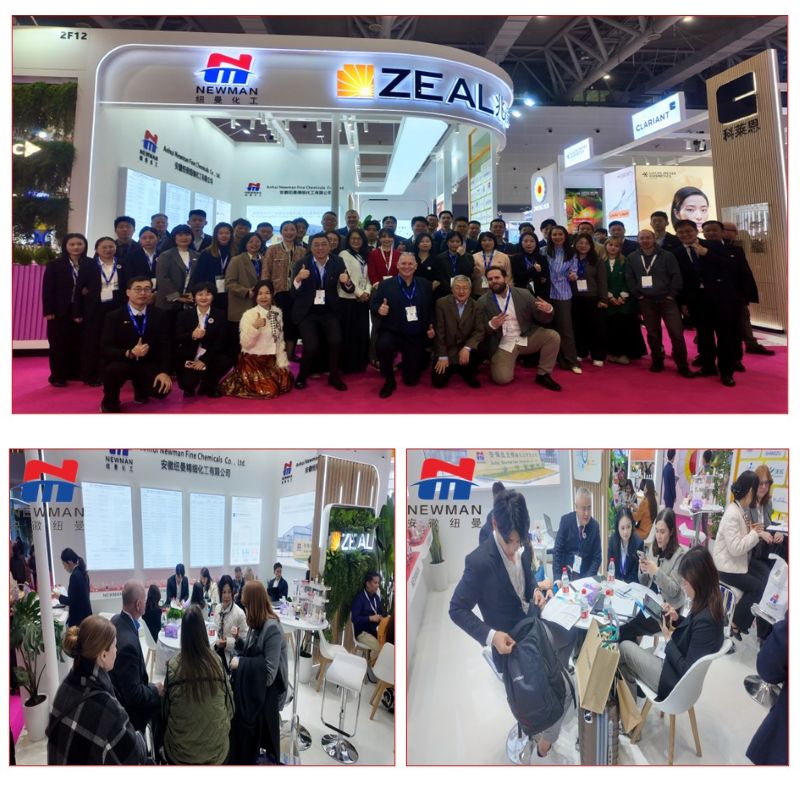
From March 18 to 20, 2026, the Personal and Home Care Ingredients (PCHI) China grandly kicked off at the Hangzhou Grand Convention and Exhibition Center. As a professional exchange platform rooted in China, covering the Asia-Pacific region, and serving the global beauty industry, this exhibition gathered over 860 exhibitors from 26 countries and regions as well as more than 50,000 industry professionals, comprehensively showcasing cutting-edge technologies and development trends in the global personal and home care ingredients sector. Anhui Newman Fine Chemical Co., Ltd. made a remarkable debut with its full range of core products, innovative formulations, and customized solutions. After three eventful days, the company successfully concluded its exhibition journey with fruitful achievements.


As the global e 2nd largest top manufacturer and supplier of carbomer and acylates copolymers, Newman Chemicals focuses on segmented markets such as personal care, home care, oral care, and pharmaceutical excipients, and built a comprehensive ingredient solution portfolio covering all scenarios and categories. At our booth (Stand 2F12) we meet many R&D chemists, formulators, and Procurement Managers for in-depth business discussions.


In addition, we held Valued Partners Appreciation Dinner 2026 at the historic Hangzhou Restaurant. Strategic Partners from home and abroad were cordially invited to gather, renew friendships, and discuss long-term development plans. This event not only further bridged mutual distances and deepened cooperation synergy and trust but also concluded this remarkable exhibition journey with a warm and memorable finale.


 PCHi 2026, Newman carbomers , acrylates copolymer and PVP


At PCHi 2026, Newman Chemicals focused on launching five categories of core carbomers, acrylates copolymer, and PVP polymers.


1.High-Cost-Effective traditional Carbomers Including types 970, 960, 990, 981, 941, and 934. Featuring mature formulations and stable performance with clarity more than 95%, they are preferred ingredients for basic skincare and personal care formulations. With good thickening and suspending properties, they ensure excellent sensory experience and stability for basic formulations at a high cost-performance.


2.Modified Carbomers Launching improved carbomer such as 35, 1, 20, 21, 10, and 30. Retaining the core efficient thickening and suspending functions of traditional carbomers, these products achieve technological upgrades: they self-wet and disperse within minutes while maintaining high-efficiency thickening performance in a wide pH range of 4 to 11, greatly improving formulation compatibility and production efficiency.


3.Key Featured New Product – NM-Carbomer 1, the universal multi-functional rheology modifier that ensures formulation stability at a low dosage of 0.1-1.5 wt.%. The viscosity of neutralized aqueous solutions at 0.2%, 0.5%, and 1.0% dosages reaches 4,000-12,000, 6,000-15,500, and 10,000-29,000 mPa·s respectively. With excellent salt tolerance, it integrates thickening, suspending, and emulsifying functions, suitable for all categories of personal care products including cleansers and skincare. Supporting both cold and hot processing modes, it disperses rapidly in cold water and forms smooth gels with gentle stirring after neutralization, while optimizing spray performance.


4.Liquid Carbomer Series Including NM-Carbomer SF-1, Aqua10, and Aqua20.They are liquid appearance, easy-to-use with good electrolyte tolerance.


5.Oral Care and health care grade Carbomers Such as Carbomer 934P,974P, 970G, and 971P, widely applied in aqueous toothpaste, anhydrous toothpaste, mouthwash, and other health care products. All products strictly comply with major pharmacopoeia demand.


Meanwhile, our Polyvinylpyrrolidone homopolymers (PVP K30, K90, etc.) and PVP/VA copolymers with multi-functions including film-forming and thickening, is popular in global market.


At PCHI 2026, we not only secured cooperation opportunities but also reached development consensus and absorbed innovative momentum.


 The exhibition is successfully concluded, the wonderful never ends, Anhui Newman Chemicals set out again and meets you in Guangzhou PCHi 2027.


How Much Cooling Capacity Can a Chiller Achieve with Three Pumps?

In today’s era of global climate change, extreme heat and prolonged high-temperature conditions are becoming increasingly common. Many industrial production lines operating in hot environments often suffer from insufficient cooling capacity, which can reduce efficiency and affect product quality. To address this challenge, H.Stars industrial chillers provide a reliable and efficient cooling solution designed specifically for high-temperature industrial environments.


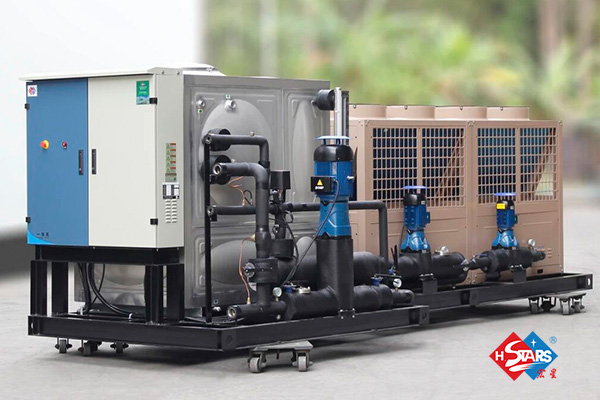
Three Pump Chiller System Industrial Cooling Equipment



Reliable Cooling Performance in High-Temperature Environments

H.Stars industrial chillers are engineered to operate efficiently even in harsh high-temperature conditions. With a robust design and stable refrigeration system, the units can rapidly reduce process temperatures and maintain stable cooling performance during continuous industrial operation.
When combined with three circulating pumps, the chiller system can achieve improved water flow stability and better heat exchange efficiency. This configuration supports consistent cooling capacity delivery across production lines, ensuring reliable temperature control even during peak heat loads.
Such systems are widely used across multiple industries, including:
• Rubber manufacturing
• Plastic processing
• Chemical production
• Industrial processing lines requiring continuous temperature control

By maintaining optimal process temperatures, the chiller helps improve production efficiency and reduce the risk of overheating-related downtime.


Energy-Saving Technology Reduces Operating Costs

Beyond strong cooling performance, H.Stars industrial chillers integrate advanced energy-saving technologies that significantly reduce electricity consumption. Optimized refrigeration cycles and high-efficiency components allow the system to deliver reliable cooling while lowering operating costs for users.

For industrial facilities running long hours or operating in hot climates, energy efficiency plays a key role in maintaining cost-effective production.


Simple Design and Easy Maintenance

Another advantage of the H.Stars chiller system is its simple and practical structural design. The equipment is engineered for easy installation, operation, and maintenance, allowing operators to quickly understand system controls and perform routine maintenance without complicated procedures.

This practical design reduces downtime, improves system reliability, and makes the equipment suitable for a wide range of industrial applications.


Stable Cooling for Better Product Quality

By providing consistent cooling performance under high-temperature conditions, H.Stars industrial chillers help maintain stable production environments. This improves product quality, production efficiency, and operational reliability.
In addition to excellent cooling capacity, the system’s energy-saving design and durable components help users reduce both energy consumption and labor costs while ensuring long-term stable operation.
For manufacturers facing extreme heat conditions in their production facilities, adopting a high-performance industrial chiller system with multiple pump support can provide the stability and efficiency needed to keep operations running smoothly.


What is the Purpose of a Gift Box?

  • plastic shipping boxes
  • Cylinder Packaging
  • paper gift box
     

We’ve all handed over a beautifully wrapped present and watched the recipient’s face light up. But have you ever stopped to think why that simple box holds so much power? Beyond just holding a gift, a well-chosen box serves multiple thoughtful purposes—psychological, practical, and even branding-related.

First and foremost, a gift box builds anticipation and elevates the experience. It acts as a physical curtain, delaying the big reveal to create a moment of excitement. This unwrapping ritual transforms a simple item transfer into a memorable event, adding perceived value and care to what’s inside. A luxury gift box, for instance, with its premium materials and elegant finish, sets a high expectation and makes the recipient feel truly special before they even see the gift.

From a practical standpoint, gift boxes provide essential protection. They keep delicate items safe from damage during handling or transport. Whether it’s a fragile ceramic keepsake box or a set of gourmet treats, the right packaging ensures the gift arrives in perfect condition. A sturdy corporate gift box also simplifies logistics for businesses, making bulk gifting to clients or employees neat and professional.

Functionally, the purpose extends beyond the initial unwrapping. Many boxes are designed for reuse. A beautifully crafted personalized gift box often becomes a storage solution for treasured items, jewelry, or mementos. This second life reinforces the positive memory of your gift every time it’s seen or used. Similarly, a versatile cardboard gift box can be repurposed for organizing drawers or shelves, adding practical value long after the holiday or event has passed.

For businesses, the custom gift box is a powerful silent ambassador. It’s a tangible extension of your brand identity. When you send a product or a corporate gift in packaging that reflects your brand’s aesthetics and quality, you reinforce brand recognition and leave a lasting, positive impression. It turns a transaction into a relationship-building moment.

In summary, the humble gift box is a multifaceted tool. It’s an experience creator, a protector, a practical item for reuse, and a strategic branding asset. The next time you select a small gift box for a piece of jewelry or a large gift set box for a holiday hamper, remember—you’re not just choosing a container. You’re thoughtfully shaping the entire gifting journey, from the first glance to the lasting memory.

3 Reasons The Pros Use Kraft Paper Tapes

Paper tape may be the best packaging tape


When it comes to sealing cartons, choosing the right tape is essential. The two most commonly used options are acrylic packing tape and water-activated kraft paper tape (also known as WAT, kraft tape, gummed tape, or paper tape). Although both types of tape can effectively seal cartons, water-activated kraft paper tape offers three significant advantages for shipping packages.

1. Enhanced Security
Water-activated kraft paper tape forms a strong bond with the carton surface, providing better adhesion than acrylic tape. Once applied, it is difficult to remove without leaving clear signs of tampering, making it ideal for securing valuable or sensitive shipments.

2. Environmental Benefits
Made from natural kraft paper and a biodegradable adhesive, water-activated paper tape is eco-friendly. It can be fully recycled along with the carton, reducing environmental impact and supporting sustainability goals. In contrast, acrylic tape is made from plastic materials that contribute to waste and pollution.

3. Superior Performance in Various Conditions
Water-activated paper tape performs exceptionally well in a wide range of temperatures and humidity levels. Unlike acrylic tape, which can lose adhesion in extreme conditions, WAT maintains its bond, ensuring that packages stay securely sealed during transit regardless of environmental factors.

Conclusion

While both acrylic packing tape and water-activated kraft paper tape can seal cartons effectively, the latter stands out due to its enhanced security, environmental benefits, and superior performance in diverse conditions. For those looking to improve package integrity, reduce environmental footprint, and ensure reliable performance, water-activated paper tape is the best choice.


Kraft paper tape and fiber-reinforced kraft paper tape are both recyclable! During the recycling process the fiberglass strands are able to be removed from the paper component. Recycling centers have an advanced process to recover the greatest percentage of reusable materials. They are efficiently able to filter out acrylic tape, paper tape, fiberglass strands, shipping labels, staples, stickers and much more that is regularly found on used packages.


While all these additional components found on boxes can be filtered out, only paper based components are recycled. Metals, fiberglass, and acrylic tapes are removed from the process and properly disposed of. Don't fret if you're still using acrylic tapes the boxes are still recyclable, the materials are getting reused, and recycling centers dispose of additional components in a responsible manner.


Picking Your Gummed Tape Dispenser Manual vs. Electric


When choosing a water-activated tape dispenser, the first decision you need to make is whether you need a manual or electric model. Many factors will influence this choice, including:


1.Efficiency: Electric models allow the shipping team to work faster.


2.Functionality: Electric models have more features than manual models.


3.Maintenance: Manual models are simpler, thus requiring less maintenance.


4.Power Supply: Obviously, your packing station must have a power source to use an electric tape dispenser.


Once you have considered these attributes, you can begin exploring the features of appropriate manual or electric tape dispensers.


Manual Tape Dispensers – KN166 and KN266 Series

If you decide to use a manual tape dispenser, your decision will be easier. We offer two manual models: the pull-type KN-166 and the manual KN-266.


KN-166 Cutter Operation:


Fill the Water Box: First, fill the water box with 4/5 of its capacity with water.

Load the Tape Roll: Unroll the water-activated kraft paper tape with the adhesive side facing down and the end facing forward into the tape compartment. Adjust the screw rod to the appropriate position according to the tape roll width to fix the tape roll.

Feed and Cut the Tape: Pass the front end of the tape through the channel between the pressure plate cutter and the water brush box. Press the top of the pressure plate cutter with your left hand and pull the front end of the tape with your right hand to the desired length. Then, gently lift up to complete the water activation and cutting of the tape.


KN-266 Cutter Operation:


Water System Filling: Remove the water tank from the device, fill it with 4/5 of its capacity with water, and reinstall it. Wait for the water in the tank to automatically flow into the water trough to the appropriate height.
Load the Tape Roll: Open the front and rear covers of the device and temporarily remove the pressure plate from under the drive pressure roller. Unroll the water-activated kraft paper tape with the adhesive side down and place it on the two rollers in the tape compartment. Pull the tape end back through the feed compartment guide roller with the adhesive side down, and place it under the pressure roller. Finally, reinstall the pressure plate.

Adjust the Water Pressure Plate Weight: Ensure the two brushes are wet and parallel to the exit plate. If using reinforced water-activated kraft paper tape, install the water pressure plate weight (initially fixed to the bottom plate on one side of the tape outlet) into the cylinder on the water pressure plate to ensure even wetting. For non-reinforced tape, determine if the weight is needed based on tape thickness for optimal wetting.

Set Cutting Length and Start Cutting: Determine the desired tape length, refer to the values on the length dial, and gently pull up the length clamp spring to move it to the specific length position. Quickly pull the handle on the length dial forward to the position of the length clamp spring and release to complete a preset length cut.


By following these detailed steps, you can efficiently use the manual tape dispensers KN-166 and KN-266 for your packaging needs.


Electric Gummed Tape Dispensers – KN366 SeriesIf you decide to use an electric tape dispenser, your decision will be easier. We offer four models in the 366 series: the standard heated KN-366H, the UL-certified KN-366HP, the powered KN-366BHP, and the KN-366HL, which can use larger tape rolls.


366 Series Electric Tape Dispensers

These devices are primarily used as specialized electric tools for sealing boxes with water-activated kraft paper tape. They can quickly complete the two actions of wetting and cutting the tape to a set length in one go, greatly improving sealing efficiency and promoting the use of water-activated kraft paper tape as an eco-friendly option in packaging. Compared to other similar devices, the 366 series has the following major advantages:


Smart Sensing Cutter:


This globally pioneering smart sensing cutter features an intelligent CNC interface and offers both manual button cutting mode and smart sensing & automatic cutting mode. In the smart sensing & automatic cutting mode, you can choose between sensing cutting or automatic cutting.


Wide Voltage Compatibility:


It can automatically switch between AC100V~240V, making it suitable for international voltage standards.


Multiple Cutting Lengths:


In manual mode, you can set 12 different cutting lengths to meet various sealing needs, reducing the frequency of specification changes and downtime.


Built-in Battery (KN-366BHP):


The KN-366BHP model includes a high-performance, large-capacity lithium battery, allowing it to operate normally even without a power source or during temporary power outages, with a maximum working time of up to 8 hours

.

Large Tape Compartment (KN-366HL):


It features a large tape compartment structure, accommodating tape rolls with a diameter ≤ 300mm, and is compatible with three different tape core sizes: 38mm, 48mm, and 76mm.

Adjustable Wetting Pressure Plate Weight:


Equipped with a movable wetting pressure plate weight (initially fixed to the base plate on one side of the tape outlet), allowing users to adjust the tape's wetting uniformity based on the thickness of the water-activated kraft paper tape used. It is suitable for both reinforced and non-reinforced water-activated kraft paper tapes.

Summary

This series of cutters is safe, efficient, convenient, and eco-friendly, featuring leading-edge design and user-friendliness. It is currently the world's leading water-activated kraft paper tape cutter, aiming to provide you with a unique user experience.


Options for Various Shipping Environments

No matter what items you are shipping and how often, there is a tape dispenser suitable for you. The complete list of manual and electric dispensers can be found on our website.