15 years of manufacturing cosmetic bags for luxury beauty brands taught us this: material choice isn't about finding the "best" fabric, it's about matching brand soul with real-world use—while watching the budget.
In another word, material selection primarily revolves around three pillars: brand identity alignment, product functionality, and cost control.
Below is a structured selection guide:
I. Fabric Classification and Cost Tiers
|
Material |
Characteristics |
Target Positioning |
Cost Range |
|
Polyester (300D, 600D, 900D, with or without Ripstop) |
Wear-resistant, easy maintenance, high color saturation |
Mass-market, promotional items |
Low-Medium |
|
Nylon (420D, 840D) |
Soft hand-feel, tear-resistant, elegant gloss |
Mass-market |
Medium-High |
|
Canvas (12OZ, 14OZ, 16OZ, 20OZ) |
Rich texture, printable, eco-friendly attributes |
Natural aesthetic, DTC/independent brands, Luxury brands |
Medium-High |
|
PVC Leather |
Waterproof, easy-clean, leather-like appearance |
Fashion styles, transparent designs |
Medium |
|
PU Leather |
Premium leather texture and nice hand-feel |
Fashion-forward styles |
Medium-High |
|
Tyvek/DuPont™ Tyvek® |
Ultra-lightweight, tear-resistant, unique tactile feel |
Designer collections, differentiated products |
High |
|
Jacquard Fabrics |
Appearance-focused to match brand DNA |
Luxury positioning |
High |
|
Velvet |
Smooth, soft touch with substantial luxurious texture |
Classic vintage, high-end positioning |
High |
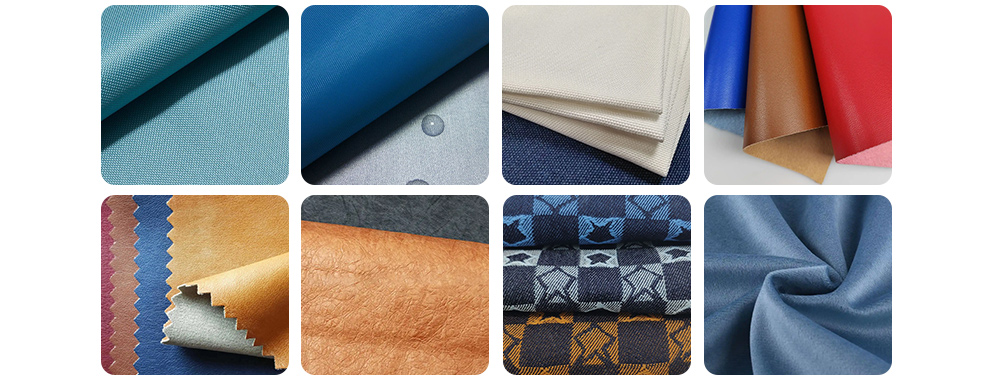
Material Examples
Ⅱ.Waterproof Requirements:
- Outer Layer Fabric:
- For men's Toilery bags or functionality-first brands: Consider TPU-laminated polyester/nylon or PU-coated Oxford fabric—offering superior abrasion resistance and easy cleaning.
- For fashion cosmetic bags: Prioritize visual-branding synergy. Beyond printed or jacquard fabric, you may also elevate first impressions through screen printing, embroidery, hot-fix crystals, or embossed logos.
- Inner Lining: Based on client feedback and industry-wide consumer pain-point research, cleaning the interior lining remains a persistent challenge for female consumers—particularly for cosmetic bags. While PEVA lining dominates the market for its wipe-clean convenience, beauty-conscious users often desire more visually compelling materials. We recommend TPU-coated treatments applied to any chosen lining substrate—solving the cleaning dilemma while preserving the designer's original aesthetic vision.
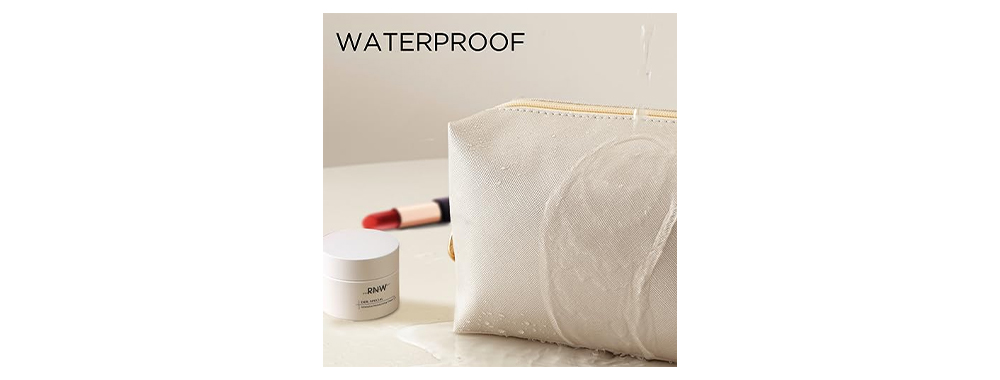 Waterproof Requirements
Structural Support:
- Rigid Structure: Sandwich 2-3mm EPE foam between outer fabric and inner lining;
- Semi-Rigid Structure: Use 2-3mm sponge foam, soft-structured yet self-standing; maintains upright posture without rigid stiffness, preserving a gentle silhouette.
- Soft Structure: Fabric + lining only, no interlining, maintaining lightweight portability
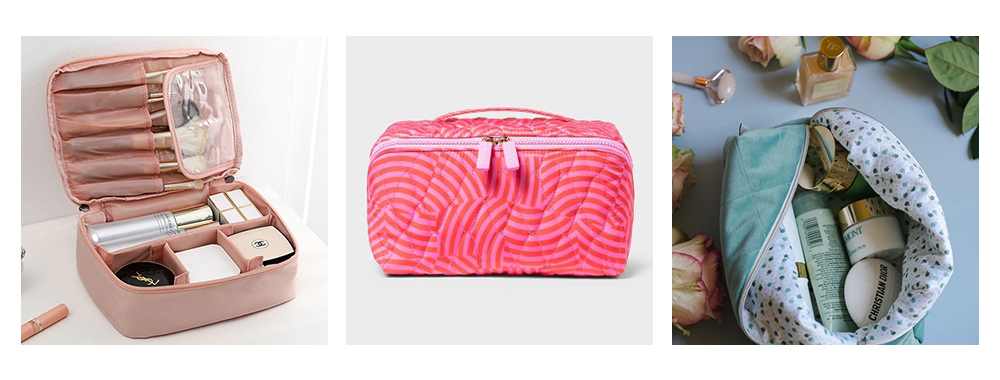
Rigid Structure Semi-Rigid Structure Soft Structure
III. Key Accessories Selection
|
Accessory |
Selection Criteria |
Risk Notes |
|
Zippers |
Nylon zipper, plastic zipper |
prioritize nylon/plastic zipper or demand rust-proofing treatment if you still prefer metal zipper |
|
Mesh Dividers inside |
Medium density mesh for compartment dividers |
Mesh density affects visibility; 30-50 denier offers optimal balance |
|
EVA Windows |
Eco-friendly transparent EVA (CPSIA & REACH compliant) |
Average abrasion resistance, but fully adequate for internal compartment applications |
|
Hardware |
Alloy electrophoresis coating or eco-friendly zinc alloy |
rust-proofing treatment on all metal components |
IV. Compliance & Environmental Certification Alignment
(Typically mandatory for major brand clients)
- GRS certificate if recycled fabric is involved: Fabric contain ≥50% recycled polyester (rPET) should have valid TC (Transaction Certificate)
- FSC Requirements: For paper hangtags or carton packaging, ensure certified paper sourcing
- Chemical Testing: All prints/coatings must pass REACH SVHC (223 substances) and CPSIA (lead content)
- Martindale Abrasion: When specified, typically ≥10,000 cycles (ISO 12947-2 standard)
V. 2026 Design Trend of Cosmetic Bags: Detachable Inner Liner System
We observe a rising trend in detachable/removable inner liners (storage compartment). The liner connects to the outer shell via rivets or Velcro fasteners, enabling:
- Exterior consistency with interchangeable interior personalities
- Simplified cleaning—just detach the liner for washing while the outer bag no need frequent cleaning.
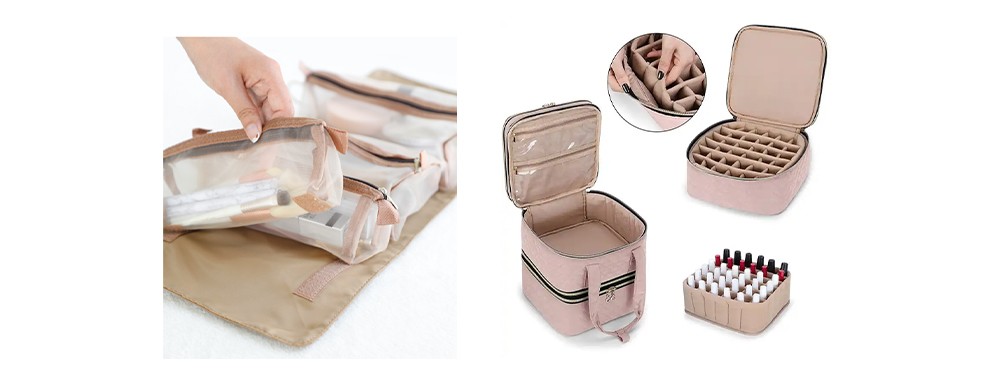 Detachable Inner Liner System
| Author | ||||||
|