How to Stop Wet Floors in Hotels & Malls?

Keep Your Spaces Clean, Dry, and Professional — Rain or Shine

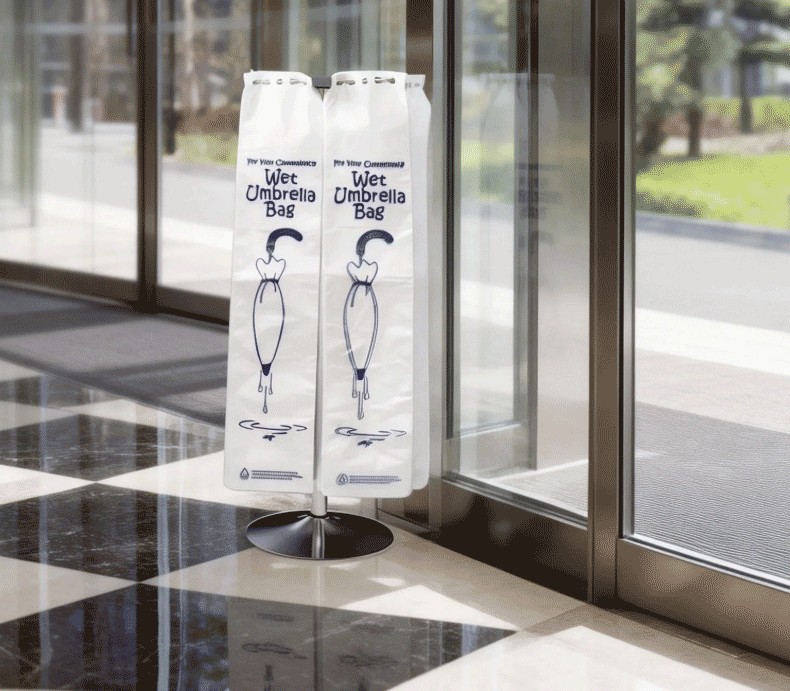
Rainy days shouldn’t mean soggy carpets, slippery tiles, or cluttered entrances. For hotels, shopping malls, office buildings, airports, and even hospitals, a simple yet effective solution exists: premium clear plastic umbrella bags designed specifically to contain dripping umbrellas the moment guests step indoors.

At ULCEAN, we’ve been helping businesses around the world solve this everyday problem for over a decade — with reliable, customizable, and cost-effective wet umbrella bags that combine functionality with brand visibility.

Why You Need a Dedicated Wet Umbrella Bag

When visitors enter your facility with a wet umbrella, water drips onto floors within seconds. This not only creates a safety hazard but also increases cleaning costs and damages flooring over time. A standard trash bag or flimsy sleeve won’t cut it — you need a purpose-built umbrella plastic bag.wet umbrella bag

ULCEAN: Your Trusted Global Supplier of Custom Umbrella Plastic Bags

With more than 10 years of experience in international trade, ULCEAN has supplied high-performance wet umbrella bags to clients across North America, Europe, the Middle East, and Southeast Asia. We understand the unique needs of different markets — from eco-conscious EU buyers to high-volume retailers in the U.S.

What Sets Us Apart:

Full Customization: Choose thickness (15–30 microns), size, and add your logo via high-clarity printing.

Material Options: Standard LDPE for durability, or biodegradable/oxo-degradable options upon request to  meet sustainability goals.

Export-Ready Compliance: All products meet international shipping and safety standards, with documentation support (SGS, RoHS, etc.).

Ideal Applications for Our Wet Umbrella Bags

Our premium wet umbrella bags are trusted across a wide range of high-traffic environments where cleanliness, safety, and professionalism matter. In hotels and resorts, they enhance the guest experience by keeping elegant marble lobbies dry and pristine. Shopping malls and retail stores rely on them to prevent unsightly puddles near entrances and escalators during rainy seasons. For office buildings and corporate headquarters, these clear umbrella plastic bags help maintain a polished first impression while reducing maintenance costs. At airports and train stations, their transparent design meets strict security requirements without compromising convenience. Even hospitals and clinics use them to minimize slip-and-fall risks in busy corridors and waiting areas—proving that sometimes, the simplest solutions make the biggest difference.

Each umbrella plastic bag from ULCEAN is designed for real-world performance — tear-resistant, easy to dispense, and discreetly elegant.

Ready to Eliminate Wet Floor Worries?

Don’t let rain ruin your indoor environment. Partner with a supplier who knows global standards, values quality, and puts your branding front and center.

Why Surgery Need Disposable Sponge Counting Bags

In high-stakes surgical environments, even the smallest oversight can have life-altering consequences. One often-overlooked—but critically important—tool in modern operating rooms is the disposable sponge counting bag. Designed not just for convenience, but for life, these medical-grade PE plastic liners are transforming how hospitals manage surgical sponge accountability, infection control, and workflow efficiency.


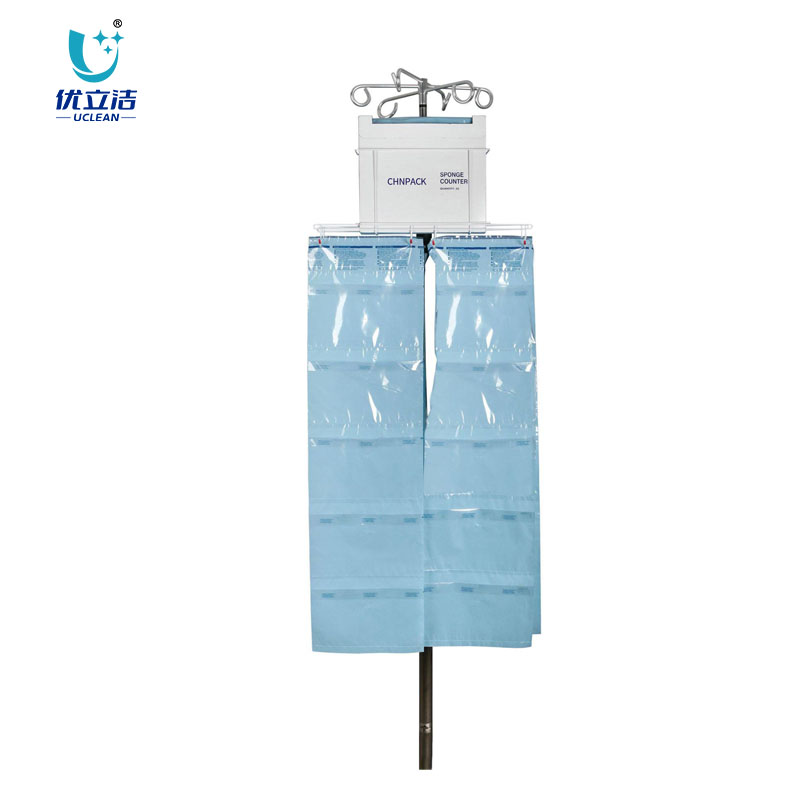
At the heart of this innovation lies a simple yet powerful principle: “One pocket, one sponge.” Let’s explore why every OR should make disposable sponge counter bags a standard part of their surgical protocol.

Streamlined Counting = Enhanced Patient Safety

Manual sponge counting is prone to human error—especially during long or emergency procedures. Miscounts can lead to retained surgical items (RSIs), a serious “never event” that affects thousands of patients globally each year.

Our Medical PE Plastic Disposable Sponge Counter Bags solve this with an intuitive, compartmentalized design:

Each pocket holds exactly one sponge (either one 5-lap or ten 4×4 sponges per section).

Clear visual separation eliminates guesswork during intraoperative and final counts.

Staff spend less time counting—and more time focusing on patient care.

Superior Visibility for Better Clinical Decisions

Not all sponges are created equal—and neither are the fluids they absorb. Accurate assessment of blood loss and exudate is vital for post-op monitoring and documentation.

Thanks to high-clarity, medical-grade PE material, our sponge counter bags offer:

Unobstructed visibility of sponge color, saturation level, and fluid volume.

Easy differentiation between saline, blood, and other bodily fluids.

Support for precise fluid measurement—critical in trauma, OB/GYN, and pediatric surgeries.

This transparency doesn’t just improve safety—it enhances clinical documentation accuracy, which directly impacts billing, quality reporting, and patient outcomes.


Designed for Life—and for Compliance

More than a convenience tool, our disposable sponge counter bags are a risk mitigation strategy. By minimizing direct contact with contaminated sponges, they:

Reduce exposure to bloodborne pathogens Eliminate cross-contamination risks associated with reusable fabric counters.

Simplify disposal as regulated medical waste—no laundering, no tracking.

For infection preventionists, OR managers, and procurement teams, this means lower operational complexity, fewer compliance headaches, and greater peace of mind.


Ready to upgrade your OR protocol with UCLEAN?

UCLEAN has perfected the engineering of Disposable Sponge Counting Bags through proprietary PE formulation, high-clarity film technology, and precision manufacturing. Our integrated process—from material development to automated pocket sealing—ensures consistent quality, AORN-aligned “one pocket, one sponge” design, and reliable fluid visibility.

The disposable sponge counting bags enhances surgical safety, simplifies counting, and reduces contamination risk. Trusted in ORs and emergency settings, UCLEAN delivers smart, compliant solutions where every detail matters—for efficiency, safety, and life itself.Medical PE Plastic Disposable Sponge Counter Bag for Hospital


Why Top Hotels Are Adding Custom Sanitary Napkin Kits to Their Guest Amenities

In today’s hospitality landscape, luxury isn’t just about marble bathrooms or pillow menus—it’s about anticipating guests’ unspoken needs with grace and discretion. One subtle yet powerful trend gaining momentum among five-star hotels, boutique resorts, and forward-thinking accommodation providers is the inclusion of custom sanitary napkin kits as part of their standard guest amenities.

Gone are the days when female travelers had to rely on front desk requests or inconvenient vending machines. Leading hotels now recognize that providing thoughtful feminine care solutions—especially in the form of a discreet, hygienic sanitary napkin packaging bag—is not just a convenience, but a statement of inclusivity, empathy, and modern service excellence.


The Rise of Discreet, On-Demand Feminine Care

Unexpected periods happen. And for travelers—especially international or business guests—being caught off guard can be stressful. By placing a sealed, single-use kit in every bathroom or welcome drawer, hotels eliminate this anxiety. These kits typically include one or two premium sanitary pads, often individually wrapped, along with a small disposable hotel sanitary bag for secure and odor-free disposal.

This small gesture speaks volumes: it tells guests, “We see you, we respect your privacy, and we’ve got you covered—literally.”


Hygiene, Compliance, and Environmental Responsibility

Beyond comfort, there’s a practical side. Improper disposal of sanitary products can lead to plumbing issues, unsanitary conditions, and increased housekeeping costs. A dedicated sanitary bag ensures guests have a safe, leak-proof way to dispose of used items without clogging toilets or creating biohazards. Many top-tier properties now opt for biodegradable or compostable versions, aligning with global sustainability goals while maintaining high hygiene standards.

Moreover, custom-branded sanitary napkin packaging bags allow hotels to reinforce their identity—even in the smallest details—turning a functional item into a memorable touchpoint.


Why This Matters More Than Ever

According to recent traveler surveys, over 70% of women say they’d choose a hotel that offers feminine hygiene products over one that doesn’t. In an era where online reviews highlight everything from Wi-Fi speed to bathroom amenities, overlooking this need can cost both reputation and revenue.

Forward-looking hoteliers understand that true hospitality lives in the details. And sometimes, the most impactful amenity fits in the palm of your hand.


Experience the UCLEAN Difference

When it comes to sourcing premium, reliable, and customizable feminine care solutions, UCLEAN stands out as a trusted partner for hotels worldwide. Our disposable hotel sanitary bags are crafted from high-barrier, leak-proof materials with optional anti-odor technology, ensuring maximum discretion and cleanliness. We offer fully customizable sanitary napkin packaging bags—from size and color to logo printing and eco-friendly material options—so your brand shines in every guest interaction.

Whether you manage a luxury resort chain or an intimate boutique property, UCLEAN helps you deliver compassionate, professional, and sustainable hospitality—one thoughtful amenity at a time.

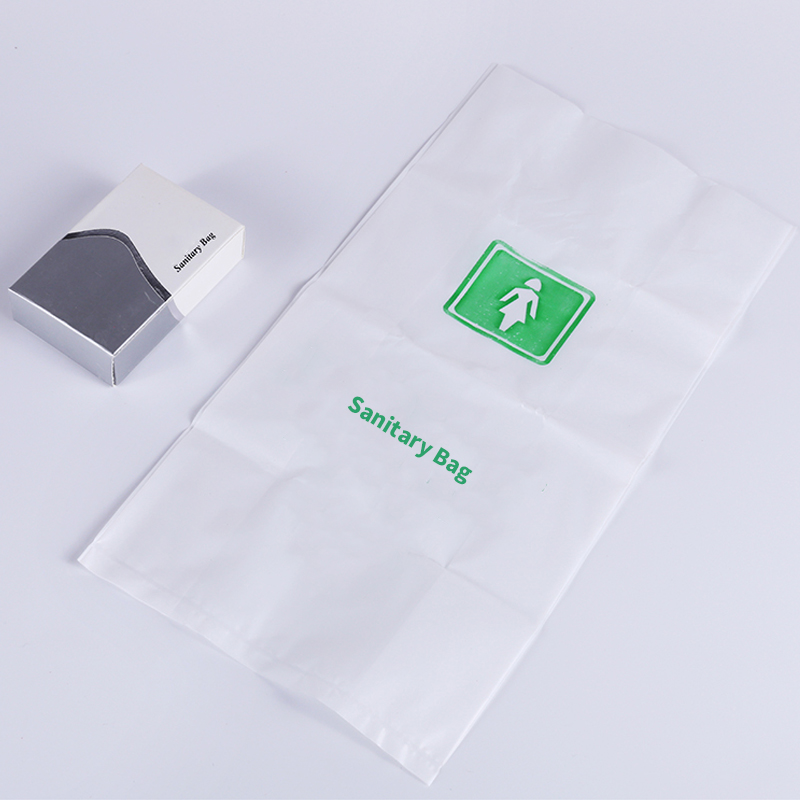
sanitary bag

MEK-based printer inks vs. MEK-free printer inks Which encoding solution is right for your industry?

MEK-based inks and MEK-free inks: industry adaptation solutions.


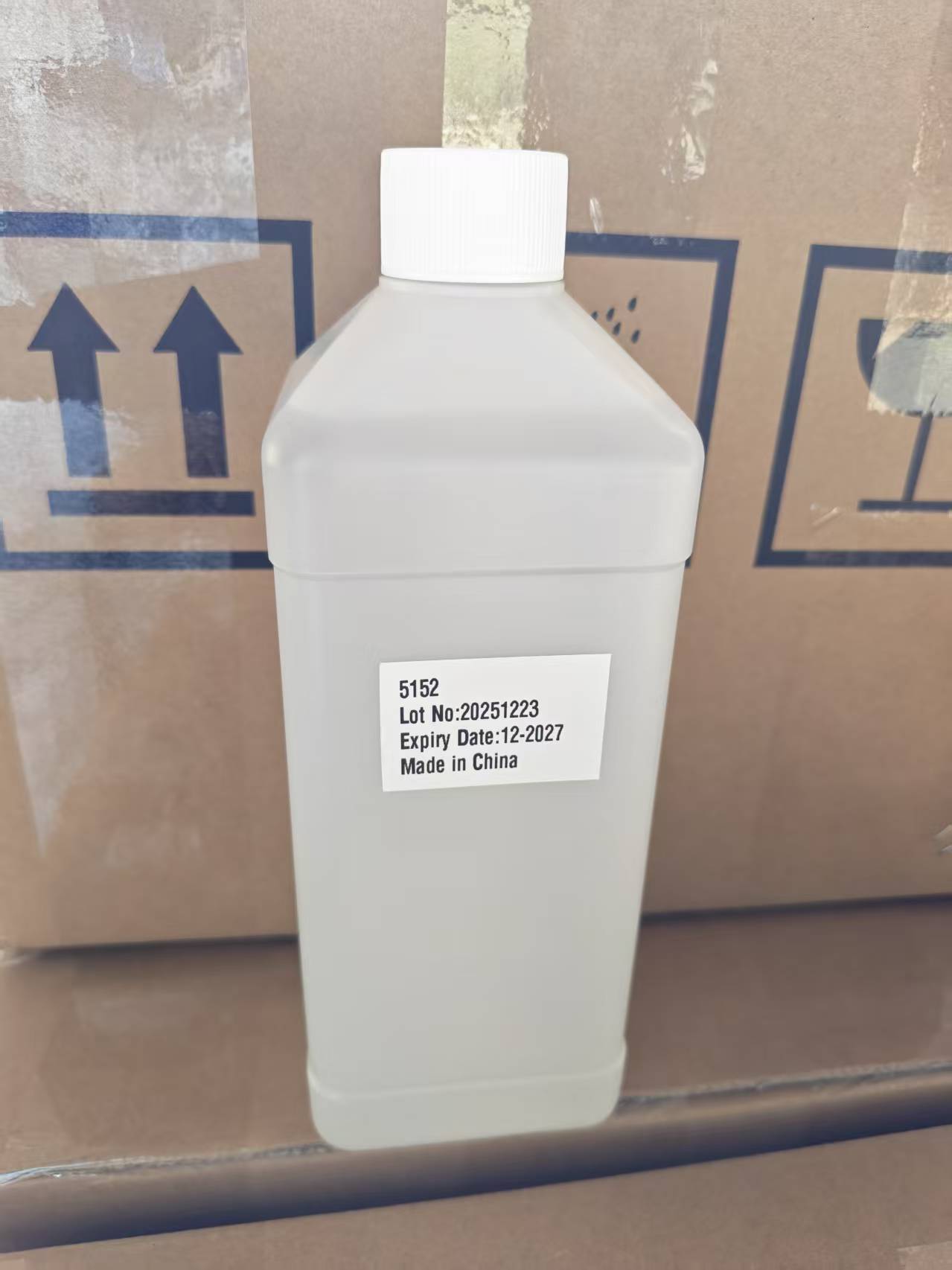
MEK make up solvent for CIJ printer


I. Differences in core characteristics between the two types of inks.

Dimension MEK (Butylene Ketone) Based Ink MEK-free inks (ethanol-based/water-based/UV-curable)
Core advantages It dries extremely quickly in 1-2 seconds, exhibits strong adhesion to non-porous substrates such as plastics, metals, and glass, has excellent scratch and weather resistance, high ink stability, and is not prone to clogging. It is suitable for high-speed production lines with speeds of 300m/min and above. Low in VOCs and odorless, most products meet food contact safety standards, have minimal impact on operator health, and are highly environmentally compliant.
limitation This is a highly volatile solvent with an irritating odor. Prolonged exposure requires proper ventilation. It should not come into direct contact with food or pharmaceutical packaging. VOC emissions are restricted in some regions. The drying speed is relatively slow, and ethanol-based inks have slightly poor adhesion to smooth plastic surfaces; water-based inks are only suitable for permeable substrates such as paper/cardboard; UV-curable inks require specialized equipment and are more expensive.


II. Industry-Specific Adaptation Guidelines


✅ Scenarios Prioritizing MEK-Based Ink:

Building Materials/Auto Parts/Heavy Industry: PVC pipes, metal components, plastic auto parts, cables, industrial parts, etc., requiring high weather resistance and scratch resistance for markings, no food contact requirements, and good ventilation in the production environment.

Fast Moving Consumer Goods (FMCG) Packaging: Laminated/aluminized food outer boxes, outer packaging of plastic beverage bottles, and non-contact labeling for daily chemical products, suitable for high-speed production lines to avoid smudging after printing.

Logistics/Warehousing Industry: Express waybills, logistics turnover boxes, woven bags, heavy cargo packaging, with low environmental protection requirements, requiring long-term wear resistance and colorfastness for markings.


Scenarios Prioritizing MEK-Free Ink:


Food/Pharmaceutical Industry: Inner packaging that directly contacts food/pharmaceuticals (tablet aluminum foil, food-grade plastic bags, inner walls of beverage bottles, inner layers of pharmaceutical packaging boxes), requiring inks compliant with GB standards. MEK-free inks certified under 4806.1 or FDA food contact standards prevent solvent migration and contamination of contents. In the beauty/baby industry: for cosmetic bottles and baby product packaging, low-odor MEK-free inks better align with product safety requirements and reduce consumer sensitivity to odors. In the electronics industry: for circuit boards and markings on precision electronic components, MEK can corrode sensitive components; MEK-free UV-curable inks offer stronger solvent and oil resistance. In enclosed production environments: in poorly ventilated small workshops and densely populated production lines, MEK-free inks reduce occupational health risks. For export products: products exported to the EU and North America should prioritize MEK-free inks compliant with RoHS and REACH regulations to meet local VOC emission and hazardous substance restrictions.


Key Selection Considerations:

  • Prioritize printing tests on actual production substrates to confirm the label retention effect after friction, wiping, and special production processes (such as high-temperature sterilization and alcohol disinfection).
  • Verify industry and target sales region environmental and food safety standards in advance to avoid compliance risks.
  • For high-speed production lines, prioritize ink models with compatible drying speeds to avoid impacting production efficiency.

A detailed introduction to plastic vomit bags

Have you ever felt that uncomfortable, queasy sensation during a long trip? Or worried about sudden motion sickness for your kids on a car ride? If yes, you will understand how essential a reliable disposable vomit bag can be. Today, let us introduce this small but life-saving item.

First, let’s explore the common use scenarios of plastic vomit bags. The most typical one is transportation. Whether you’re on a plane, train, bus, or long-distance car journey, motion sickness can strike anyone. Airlines and bus companies have long kept vomit bags on board for passengers, and many travelers now carry their own for peace of mind. Besides travel, vomit bags are also a must-have in medical settings, such as hospitals, clinics, and ambulances. Patients with nausea from illness, medication, or treatment often need them for immediate use. They’re also useful at events like outdoor concerts, sports games, or parties—especially for people who’ve had too much to drink or feel unwell in crowded places. Even at home, having a few vomit bags handy for sick kids or elderly family members can make difficult moments easier.

What makes vomit bags so convenient? Let’s break it down.

  1. They are lightweight and portable. You can fold one up and put it in your pocket, backpack, or car glove box—taking up almost no space.
  2. They are easy to use. Most vomit bags have a rigid rim that stays open, so you don’t have to hold it with both hands. Once used, you can simply tie the top closed to prevent leaks and odors—no need to deal with messy cleaning.
  3. They are disposable. After use, you can throw them away easily, which is hygienic and saves time. Unlike reusable containers, you don’t have to wash them, reducing the risk of spreading germs.

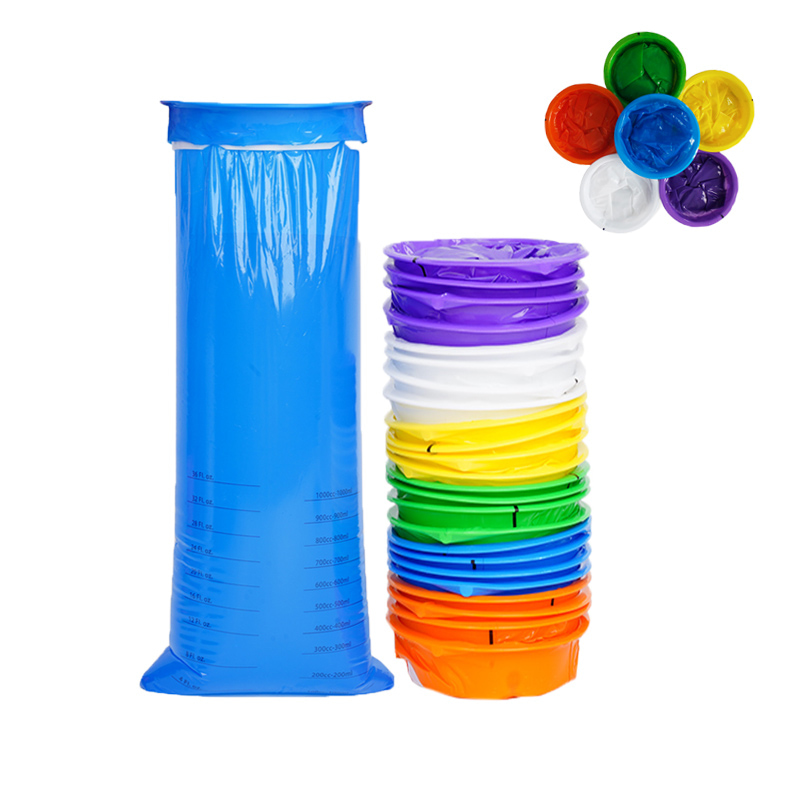
For PE vomit bags, the standard capacities are 1000ml and 1500ml. Common packaging options include bags of 10, 25, or 50 pieces. As a professional manufacturer of vomit bags, we can also customize sizes, printing, and packaging. We also stock blue, white, green, purple, yellow, and orange bags. Whether you want to customize bags or purchase a small quantity for personal use, you can contact us.

plastic vomit bag


Can the bag be placed directly into the washing machine?

In traditional hotel linen washing processes, reusable fabric laundry bags have long been used for collecting and transporting soiled linens. However, from a microbiology and infection control perspective, these bags themselves can become a medium for cross-contamination of bacteria and pollutants.


An innovative solution—"water-soluble laundry bags"—is changing this paradigm.


Why can water-soluble laundry bags be placed directly into the washing machine?

Water-soluble laundry bags are not ordinary plastic bags. These bags can be loaded directly into industrial washing machines. Under the set hot water temperature (typically 60°C-80°C) and mechanical action, the bag material dissolves rapidly at the beginning of the wash cycle, allowing the enclosed linens to come into direct contact with the wash liquor for effective cleaning. The bag material dissolves completely in the wash water, leaving no solid residues that require sorting or handling. Its main component, polyvinyl alcohol (PVA), is ultimately biodegradable.


How does the bag dissolve in water?

The key to this functionality lies in the water-soluble polymer material used for the bag, typically polyvinyl alcohol (PVA). This material possesses the following characteristics:

Dry-State Mechanical Properties In normal dry conditions, the film has the necessary tensile strength and toughness to withstand physical stress during linen loading, sealing, and transportation.
Hot-Water Solubility Its molecular chain structure is temperature-sensitive. When exposed to hot water within a specific temperature range, intermolecular forces such as hydrogen bonds are rapidly broken down, allowing the material to dissolve completely within a controllable timeframe of minutes.
Environmental Compatibility The dissolved material can further degrade in biological treatment environments, aligning with the environmental goal of reducing persistent solid waste.


What can we achieve with water-soluble bags?

1For hotels, especially premium and wellness-oriented brands, linen hygiene is a fundamental expectation. This commitment provides guests with a higher, traceable standard of hygiene assurance.

2It eliminates the tedious steps of sorting, cleaning, and separately washing and disinfecting soiled laundry bags, thereby reducing both the frequency and extent of laundry staff's exposure to potential contaminants. This approach aligns with the evolving standards in occupational health and safety management.

3This solution goes beyond mere substitution of disposable plastic bags by stopping plastic waste generation at the source. The bag’s “self-eliminating” feature turns a routine process into a material proof of the hotel's commitment to circular practices and its broader ESG goals.


Our Uclean team innovatively applies this technology to the R&D and manufacturing of water-soluble laundry bags. With our independently developed large-scale, multi-functional bag-making and printing equipment, we begin with the core formulation of water-soluble materials. We precisely control the dissolution temperature, rate, and dry-state strength, ensuring the product remains stable and reliable during storage and transport, yet dissolves quickly and completely in hot water.


Whether for linen handling in premium hotels, fabric laundering in medical and wellness institutions, or other commercial scenarios with strict hygiene segregation requirements, we are committed to assisting our clients in enhancing operational safety and process efficiency with our reliable and innovative water-soluble products. We aim to contribute substantively to raising industry hygiene standards.

Do you know about the autoclavable biohazard bags?

Autoclavable medical waste bags are one of our core products. They meet the needs of various scenarios in the medical field. In operating rooms, they can be used to store dressings and disposable instruments; in laboratories, they can isolate contaminants and complete the sterilization process for waste test tubes and testing consumables requiring high-temperature sterilization; furthermore, in special areas such as infectious disease departments and clinics, their high-temperature resistance can meet the needs of sterilization and virus removal for special waste, reducing the risk of cross-infection.


The biggest problem with ordinary PE hospital plastic bags is their inability to withstand high temperatures. Under standard 135°C and high-pressure conditions, PE biohazard bags will melt and shrink. In this case, the waste inside the bag is at risk of leakage and cannot be further processed. PP autoclavable biohazard bags can solve this problem very well. Below are comparison photos of two bags after high-temperature sterilization.


medical waste bag


Our PP autoclavable medical waste bags have the following advantages:

1. Tough and tear-resistant material, not easily damaged. Suitable for high-frequency handling of medical waste, reducing the risk of breakage during transportation;

2. Can be directly placed into sterilization equipment, eliminating the need for secondary sorting, significantly improving waste disposal efficiency and reducing the workload of medical staff.

3. Customizable to various sizes, precisely matching the specifications of medical waste bins.


We can also print indicator labels. After high-temperature sterilization, the label color will change from white to black. This makes it easier for customers to track and mark whether medical waste has been sterilized. Below is a comparison before and after sterilization.

biohazard medical waste bag


ULCEAN PLASTIC, as a source factory in the packaging industry, supports low MOQ. Bag size, printing, and packaging can all be customized. We also have various sizes of medical waste bags in stock, such as 41.5*60cm, 60*80cm, and 80*100cm. We welcome your inquiries.

What Exactly Belongs in a Biohazard Bag?

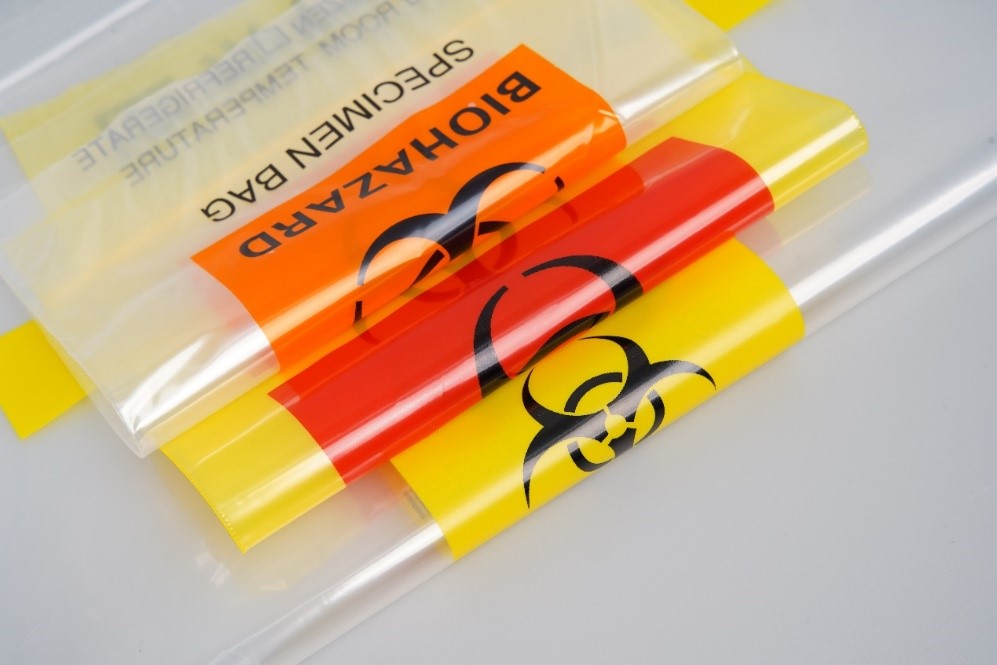
We can find in hospitals, clinics, and labs, it is very important for safe management of contaminated materials. That’s where biohazard bags come in. It is often called medical waste bags (or informally hospital garbage bags), these specialized disposable bags are designed solely for safely holding infectious materials. But not everything goes into them; improper use poses serious health risks and compliance issues.

What is a Biohazard Bag?

A biohazard bag isn’t your average trash liner. It’s a heavy-duty, leak-resistant plastic bag—usually red/yeliow/clear/black—marked with the universal biohazard symbol. It’s strictly for items contaminated with blood, bodily fluids, or other potentially infectious materials (OPIM). While “hospital garbage bag” is a common casual term, it’s misleading: unlike regular trash bags, these are regulated, properly labeled, and built for safety.

biohazard bags medical

Where Are Biohazard Bags Used?

1. Healthcare Settings

Hospitals and clinics rely on biohazard bags for disposing of: soiled gauze, bandages, dressings; contaminated gloves, masks, disposable gowns; used IV tubing and suction canisters. These items must go into proper medical waste bags, not standard trash bins.

2. Laboratories

In research and diagnostic labs, biohazard bags manage non-autoclavable waste, such as: culture plates with pathogens; pathological specimens; disposable pipettes and sample containers exposed to biological agents.

Key Features of Reliable biohazard Bags

  • Color: Most are bright red (yellow in some regions) to signal biohazard content.
  • Labeling: Clearly printed with biohazard symbol and warnings like “Biohazard – Infectious Waste.”
  • Durability: Made from thick, puncture-resistant HDPE to prevent leaks during handling.
  • High temperature sterilization:  For conditions of 121 or 135 often use pp material.
  • Special Options: Some have internal absorbent pads to solidify liquids—critical for safe transport and compliant disposal.

Always tie full biohazard bags with a secure gooseneck knot (fill no more than ¾ full) and transfer them promptly to a designated medical waste storage area.


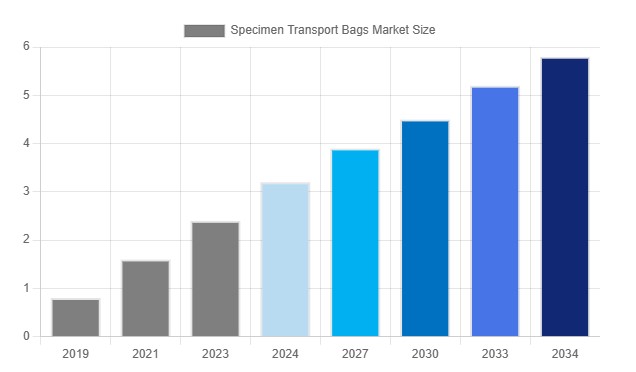
Growing global demand for safe medical and hazardous waste handling—aimed at cutting environmental pollution and public health risks—drives steady growth in the disposable biohazard bag market. Strict regulations worldwide, such as the U.S. EPA’s RCRA and EU’s Waste Framework Directive, require proper waste segregation and disposal, making these bags a staple in healthcare and lab settings.

Per the WHO, over 16 billion injections are administered globally each year, generating massive biomedical waste that needs safe disposal—further boosting market demand. Key market data is summarized in the tables below:

biohazard bags

Why Choose UCLEAN’s Biohazard Bags?

Uclean Plastic offers versatile biohazard bag solutions—including customizable options with logo printing, even for small orders. With over a decade of international trade experience, we combine production flexibility and industry expertise to support businesses of all sizes in meeting market demands efficiently and cost-effectively. Uclean is your trusted partner for quality, flexibility and global reliability, whether launching new lines or scaling operations.

Why is there a small white square on biohazard bags

In the healthcare safety system, details are pivotal. When we focus on high-temperature sterilized medical waste, we encounter a specialized packaging bag. It is more than just a container; it incorporates a precise visual safety verification system. At the core of this system lies the seemingly ordinary white rectangular indicator block on the bag's surface.


Unlike the white blocks on standard medical waste bags used for information entry, this white block is strictly prohibited from being written on. Its mission is more focused and critical: to provide an immediate and reliable "chemical verdict" on the biosafety status of each medical waste bag through an irreversible visual change.


How to Determine Sterilization Status by the White Area?

In the sterilization center and temporary storage area of medical institutions, visual judgment serves as the first and most critical safety barrier. A white area indicates "Danger! Not Processed," alerting all staff that the contents still pose a high biohazard and must be strictly controlled. If the area has turned dark, it signifies "Safe! Sterilized."


Why does the white area change color?

This white area is essentially a chemical heat-sensitive indicator. Its operating principle is based on a precise chemical reaction:

Initial State Before the biohazard bag is processed, this area is uniformly white.
Trigger Condition Only when the bag is placed in a professional high-temperature steam sterilizer and undergoes a complete and effective sterilization cycle (typically maintained at 121°C or 134°C for the specified duration and pressure) does the heat and steam thoroughly penetrate the packaging, triggering a reaction in the chemical substances within the frame.
Final State After the reaction is complete, this area permanently and uniformly turns gray, displaying text such as "Sterilized."

This color change is irreversible. It is not merely a simple label but rather physicochemical evidence that the sterilization process has been successfully completed.


How to ensure thorough sterilization?

Each batch of processed bags serves as a "routine check" for the sterilization equipment and workflow. Uniform, deep color change indicates that all sterilization parameters (temperature, time, steam penetration) for that batch fully meet the required standards. Uneven color change or no change acts like a red alert, immediately signaling potential issues with the batch—such as equipment malfunction, overloading of packages, or inadequate steam circulation. This prompts operators to halt the process immediately, inspect the system, and eliminate risks from the source.


Our Ucleanplastic team has achieved a groundbreaking advancement in high-temperature autoclavable biohazard bags. Leveraging our independently developed large-scale, multi-functional bag-making equipment and large-format printing systems, we have refined the manufacturing of high-temperature sterilization medical waste bags into a mature and reliable systematic engineering process—spanning from precise chemical formulas and durable packaging materials to a stringent quality control system.


Whether in medical waste disposal, industrial applications, or daily needs, we look forward to empowering enterprises with reliable products to enhance efficiency and contribute tangible impact to the global healthcare industry.