Mass production of custom plastic cosmetic bottles involves more than choosing a bottle shape and placing an order. Beauty brands need to consider material compatibility, mold development, dispensing performance, surface decoration, production consistency, minimum order quantity (MOQ), and delivery schedules before committing to a large production run.
A bottle may look attractive in a product rendering or sample, but its real performance depends on how it interacts with the cosmetic formula, filling equipment, closure, and transportation conditions. Addressing these details early helps brands avoid unnecessary revisions, reduce packaging risks, and maintain a consistent product presentation as demand grows.
LISSON Packaging provides OEM and ODM cosmetic packaging solutions for skincare, sunscreen, makeup, haircare, and personal care brands. Its product range includes plastic bottles, airless bottles, pump bottles, applicator bottles, and other customized packaging formats. Brands can explore custom plastic cosmetic bottles to compare packaging options for different product applications.
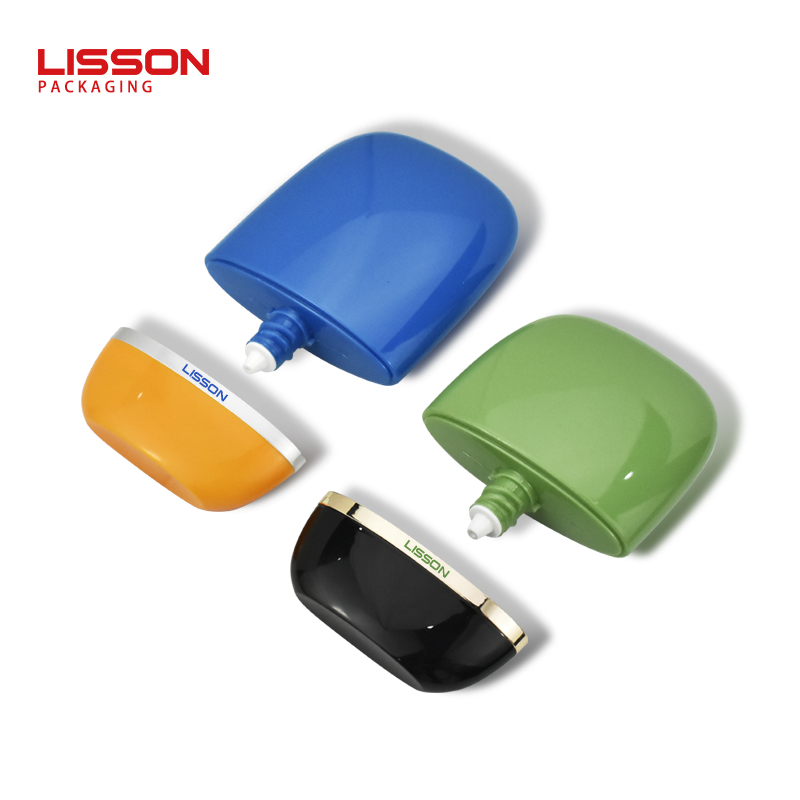
What Should Brands Define Before Mass Production?
Before requesting a quotation, brands should prepare a clear packaging specification. This gives the manufacturer enough information to evaluate the design, production method, required components, and expected order quantity.
- Product application: Identify whether the bottle will hold sunscreen, facial cleanser, lotion, serum, foundation, shampoo, or another formula.
- Capacity and dimensions: Confirm the filling volume, bottle height, diameter, shape, and available shelf space.
- Material requirements: Determine whether PET, HDPE, PP, PETG, or another suitable material meets the product's performance requirements.
- Dispensing system: Select an appropriate pump, spray head, nozzle, cap, or applicator.
- Branding and decoration: Prepare logo artwork, Pantone color references, printing requirements, labels, and surface finish preferences.
- Order quantity: Estimate launch demand and potential repeat orders to help the supplier plan production economically.
- Delivery requirements: Specify the target shipping date, destination market, packaging method, and any relevant documentation requirements.
These decisions are connected. For example, a sunscreen brand may need a compact bottle that dispenses cream smoothly, fits its filling line, and protects the formula during storage. A haircare brand may prioritize larger capacity, pump performance, and convenient daily use.
Defining the intended application before selecting the bottle makes it easier to balance appearance, function, and manufacturing cost.
Which Plastic Materials Are Suitable for Cosmetic Bottle Production?
Material selection affects the bottle's appearance, weight, flexibility, barrier performance, chemical compatibility, and manufacturing process. The right choice depends on the cosmetic formula and the conditions under which the finished product will be stored, transported, and used.
PET and PETG: These materials are often considered for packaging that needs a clear or visually distinctive appearance. Their suitability depends on the bottle design, formula compatibility, and required performance.
HDPE and PE: These materials are widely used in personal care packaging. Depending on the grade and structure, they can support squeeze bottles, lotion containers, sunscreen packaging, and other practical applications.
PP: Polypropylene is commonly used for closures, caps, and selected packaging structures. Its suitability depends on the component design, material grade, and intended use.
PCR plastic: Post-consumer recycled plastic can help brands incorporate recycled content into their packaging strategy. Brands should confirm the actual recycled-content percentage, material documentation, color consistency, odor characteristics, and compatibility with the product before approving production.
For formulas that require additional protection, a multilayer structure may be worth evaluating. For example, LISSON offers an EVOH-layer HDPE oval plastic bottle designed for applications such as sunscreen and hand cream. The additional barrier layer can be relevant when evaluating formula protection, although the complete package still needs to be tested for its specific contents.
Rather than selecting a material based on appearance alone, brands should compare technical specifications and test the actual packaging with the intended formula.
Should Brands Choose an Existing Bottle or Develop a Custom Mold?
The decision between an existing bottle design and a new custom mold affects development cost, lead time, design flexibility, and production planning.
An existing bottle is often a practical choice when its capacity, shape, and dispensing function already meet the brand's needs. Customization can then focus on color, printing, surface treatment, and compatible closures. This approach may reduce development work while still creating a recognizable product identity.
A custom mold is more appropriate when the brand needs a distinctive silhouette, a specific structural feature, or packaging that cannot be achieved with an existing design. However, new tooling requires additional engineering, sampling, and validation before mass production can begin.
Before approving a custom mold, confirm the following details:
- Bottle dimensions, capacity, and critical tolerances.
- Wall thickness and structural strength for the intended application.
- Neck finish and compatibility with the selected closure.
- Logo placement, printing areas, and surface finish requirements.
- Mold ownership, maintenance responsibilities, and applicable exclusivity terms.
A design rendering can help communicate the concept, but it cannot confirm how the finished bottle will perform. Physical samples are necessary to assess the actual shape, assembly, and dispensing function.
LISSON's custom cosmetic bottle development service covers design selection, artwork preparation, sample production, testing, mass production, and delivery planning. Discussing these stages at the beginning helps brands understand which decisions must be finalized before a production order is approved.
Why Is Sample Testing Essential Before Large Orders?
Sample approval is a critical checkpoint between packaging development and mass production. It allows brands to identify problems before they affect a large quantity of finished bottles.
A useful evaluation should go beyond visual appearance and include the complete packaging system, particularly when the bottle will be used with a specific cosmetic formula or automated filling equipment.
- Appearance inspection: Check color, transparency, surface finish, printing quality, logo alignment, and visible defects.
- Dimensional inspection: Compare the sample with the approved drawings and technical specifications.
- Closure testing: Verify that caps, pumps, sprayers, and applicators fit and operate correctly.
- Leakage testing: Evaluate the assembled package under conditions relevant to storage, handling, and transportation.
- Formula compatibility: Check for unacceptable changes in the packaging or cosmetic product during appropriate compatibility and stability testing.
- Filling-line trials: Confirm that the packaging can be filled, capped, labeled, and packed using the intended equipment.
Testing requirements should reflect the product's formulation, packaging materials, and risk profile. A sample that performs well during a brief inspection does not automatically establish long-term compatibility or guarantee that every production batch will be identical.
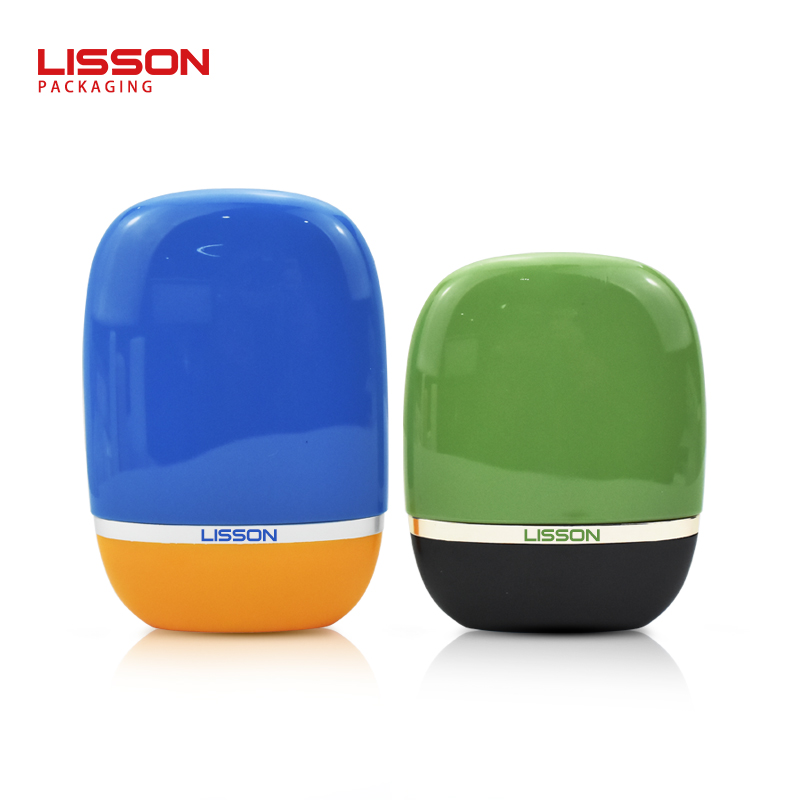
Brands developing specialized dispensing solutions may also consider LISSON's cosmetic bottle and packaging range to compare bottle formats, applicators, pumps, and other components before finalizing a specification.
How Can Brands Maintain Consistent Quality During Mass Production?
Mass production introduces a different challenge from sample development: every unit must meet the agreed requirements. Minor variations in dimensions, color, surface finish, or closure fit can become significant when thousands of bottles are manufactured.
A practical quality control plan should define acceptance criteria before production begins. Both parties should understand which characteristics are critical, how inspections will be performed, and how nonconforming products will be handled.
- Incoming material inspection: Check the approved material grade and relevant supplier documentation.
- In-process monitoring: Monitor molding quality, dimensions, appearance, and important production parameters.
- Decoration inspection: Compare printing, coating, labeling, and color matching with the approved sample.
- Component assembly checks: Confirm the fit and operation of caps, pumps, sprayers, and applicators.
- Batch traceability: Maintain production and inspection records to support investigations if an issue occurs.
- Pre-shipment inspection: Check finished packaging, quantities, cartons, and agreed quality requirements before dispatch.
For repeat orders, retain an approved reference sample and written specification. Any changes to the formula, material, mold, closure, or decoration should be reviewed before implementation, because even a small change can affect packaging performance.
Brands can learn more about LISSON's manufacturing and customization capabilities through its cosmetic packaging manufacturing information when evaluating a potential long-term supplier.
What Determines MOQ, Production Cost, and Lead Time?
The cost of custom plastic cosmetic bottles depends on several factors, including material selection, bottle dimensions, mold requirements, decoration, closure components, assembly, quality inspection, and packaging.
MOQ is also influenced by the product design, manufacturing method, material, and decoration process. A standard bottle with simple printing may have different order requirements from a newly molded bottle with multiple finishes and specialized components.
Lead time depends on whether the project uses an existing design or requires new tooling. Artwork approval, sample revisions, material availability, production capacity, quality inspections, and shipping arrangements can all affect the final delivery schedule.
When comparing quotations, brands should confirm whether the price includes the bottle, closure, decoration, assembly, inspection, and export packaging. Separate one-time mold costs from recurring production costs where applicable.
A lower unit price does not always mean a lower total project cost. Large orders may reduce certain per-unit expenses but increase inventory, storage, and working-capital requirements. The best order quantity is one that balances production efficiency with realistic sales forecasts.
How Can Brands Prepare for Repeat Orders and Future Growth?
Packaging decisions should support not only the initial product launch but also future production. A bottle that works for a small launch may need to be reviewed again when the brand expands its product range or increases order volume.
Before the first production run, establish a clear record of the approved bottle design, material specification, color reference, decoration, closure, and inspection criteria. This gives the manufacturer a defined reference for repeat orders.
Brands should also estimate future demand and discuss production capacity with the supplier. If a product becomes popular, having a documented specification and an agreed replenishment process can make repeat ordering more predictable.
For brands planning multiple skincare or personal care products, it may be useful to standardize selected bottle sizes, closures, and decoration methods across the range. This can simplify purchasing and inventory management while maintaining a consistent brand identity.
Sustainability goals should be considered at the same stage. Where recycled materials are used, brands should document the required recycled content and verify that the packaging continues to meet appearance, compatibility, and performance expectations across repeat orders.
Why Work With LISSON for Custom Plastic Cosmetic Bottles?
Choosing a packaging supplier involves more than comparing product photographs and unit prices. Brands need a partner that can help coordinate design development, material selection, sampling, decoration, quality control, and production planning.
LISSON Packaging offers OEM and ODM cosmetic packaging solutions for beauty and personal care applications. Its product range includes plastic bottles, applicator bottles, pump bottles, airless packaging, and other cosmetic containers, with customization options for bottle shape, color, logo, and surface finish.
For a new project, brands can prepare the intended application, formula type, capacity, preferred material, closure requirements, estimated order quantity, and delivery expectations before contacting the manufacturer. These details make it easier to evaluate suitable packaging formats and identify the testing required before mass production.
To discuss a project, visit the LISSON contact page and provide your packaging specifications, target quantity, and customization requirements.
Frequently Asked Questions About Mass Production of Custom Plastic Cosmetic Bottles
What information is needed to order custom plastic cosmetic bottles?
Prepare the bottle capacity, dimensions or reference design, material preference, order quantity, decoration requirements, closure type, destination market, and target delivery date. Drawings and logo artwork can help clarify the required specifications.
Is an existing bottle design more economical than a custom mold?
An existing design can reduce tooling and development requirements if it already meets the product's needs. A custom mold provides more design flexibility but generally requires additional engineering, sampling, and validation. Compare the total project cost and expected production volume before deciding.
Which plastic materials are commonly used for cosmetic bottles?
PET, PETG, HDPE, PE, and PP are used in different cosmetic packaging applications. The best option depends on the formula, required appearance, structural design, dispensing system, and compatibility requirements.
What tests should be completed before mass production?
Typical evaluations include dimensional inspection, appearance checks, closure compatibility, leakage testing, formula compatibility, and filling-line trials. The test plan should be based on the intended application and packaging risks.
How can brands reduce defects in large production orders?
Approve a physical sample, document critical specifications, establish inspection criteria, monitor production, retain batch records, and inspect finished goods before shipment. Changes to materials or components should be reviewed before implementation.
What affects the MOQ for custom cosmetic bottles?
MOQ depends on the bottle design, material, manufacturing method, tooling requirements, decoration, and supplier's production arrangements. Brands should confirm the applicable MOQ for the specific packaging design when requesting a quotation.
Can plastic cosmetic bottles be customized with brand colors and logos?
Depending on the bottle material and design, customization may include color matching, silk-screen printing, hot stamping, labeling, surface finishes, and other decorative treatments. Confirm the available options and approve a sample before mass production.
How should brands evaluate sustainable plastic packaging?
Ask for details about the recycled or bio-based material, actual material content, available documentation, compatibility with the formula, and performance requirements. Sustainability claims should reflect the specific packaging configuration rather than assumptions based on appearance alone.
Planning a new cosmetic product or scaling an existing line? Contact LISSON Packaging to discuss custom bottle development, material selection, sample evaluation, and mass production requirements.