Introduction
Sourcing self-sealing water balloons requires more than comparing prices. Retailers, wholesalers, importers, and toy distributors need to evaluate product quality, sealing performance, manufacturing capabilities, customization options, packaging, and delivery reliability. Choosing the right self-sealing water balloon factory can help businesses reduce sourcing risks, maintain consistent product quality, and build a competitive product portfolio. This guide explains the key factors to consider when sourcing OEM self-sealing water balloon products and placing bulk self-sealing water balloon orders for retail, seasonal promotions, and wholesale distribution.
1. Understand the Self-Sealing Water Balloon Market
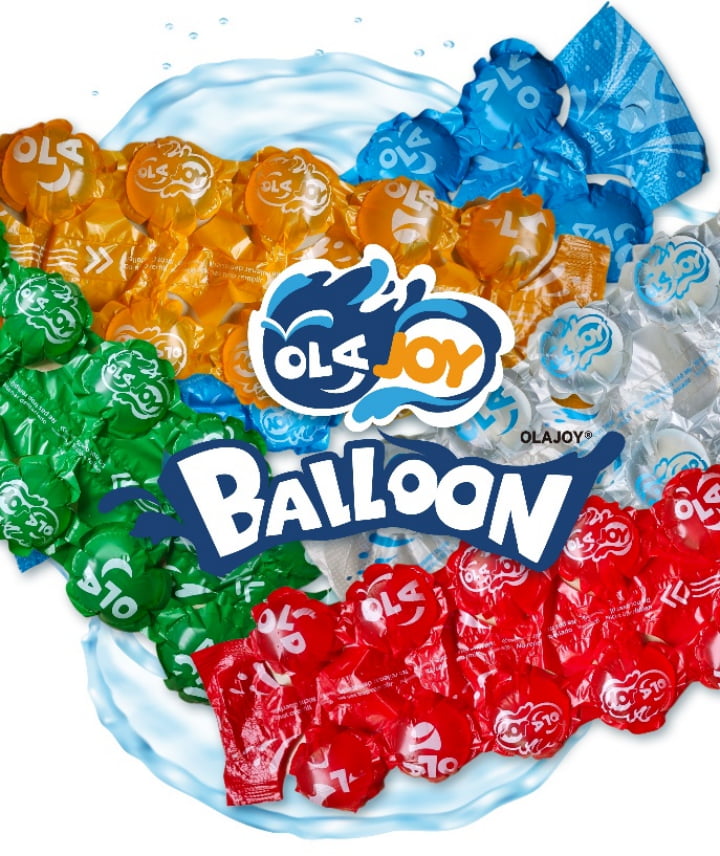
Self-sealing water balloons are designed to simplify water balloon preparation by allowing users to fill balloons with water and have them seal without manually tying each one. Depending on the product design, these balloons may use individual self-sealing mechanisms or a rapid-fill system that prepares multiple balloons at once.
These products can appeal to several B2B customer groups:
- Toy wholesalers: Expand seasonal outdoor toy product ranges.
- Retailers and e-commerce sellers: Offer summer toys for families and outdoor activities.
- Importers and distributors: Source products for regional markets and retail networks.
- Promotional product companies: Explore customized packaging for seasonal campaigns.
Before contacting manufacturers, define your target market, expected retail price, sales channel, and intended customer group. These details help determine the appropriate product format, packaging configuration, and order quantity. Buyers can explore the available self-sealing water balloons to compare product formats and configurations.
2. How to Choose a Reliable Self-Sealing Water Balloon Factory
Selecting a qualified supplier is one of the most important steps in the sourcing process. A reliable self-sealing water balloon factory should be able to explain its production capabilities, quality control procedures, customization options, and order management process.
Manufacturing Capability and Product Experience
Ask suppliers about their experience producing water balloons and related outdoor toys. Confirm whether they manufacture the products themselves or source them from other factories.
Useful questions include:
- What types of self-sealing water balloons can you manufacture?
- Can you provide product samples before bulk production?
- What quality inspection procedures are used?
- Which packaging formats and customization services are available?
- What are the standard production lead time and minimum order quantity?
A factory that communicates clearly and provides verifiable product information is easier to evaluate than one that relies solely on promotional claims.
Quality Control and Product Consistency
Product quality should be assessed before placing a large order. For self-sealing water balloons, buyers should pay particular attention to sealing performance, leakage, balloon material consistency, filling convenience, and packaging integrity.
Request samples and test them under the intended conditions. Check whether the balloons seal as described, whether leakage occurs during normal use, and whether the product performs consistently across multiple samples.
Ask the supplier for relevant test reports and product documentation where applicable. Any claims about material safety, regulatory compliance, or product performance should be supported by evidence appropriate to the destination market.
For more information about the manufacturer's production background and quality management, visit OLAJOY's manufacturing capabilities.
3. OEM Self-Sealing Water Balloon: Customization Options
An OEM self-sealing water balloon solution can help brands, importers, and distributors develop products that fit their market positioning. However, the available customization options depend on the manufacturer's equipment, product design, and production capabilities.
Common areas to discuss include:
Packaging design: Custom retail boxes, printed bags, product labels, and multilingual instructions can help products meet different market requirements.
Branding: Depending on the product and manufacturing process, buyers may be able to customize packaging artwork, brand logos, and product presentation.
Product configuration: Discuss balloon quantities per pack, accessory combinations, color assortments, and available product formats.
Order specifications: Confirm the agreed product model, packaging dimensions, labeling requirements, and carton configuration before production.
When requesting an OEM quotation, provide your artwork files, target market, estimated order quantity, packaging preferences, and expected delivery schedule. Ask the factory to confirm which specifications are feasible and whether additional tooling, setup fees, or minimum quantities apply.
A pre-production sample or approved packaging proof can help reduce misunderstandings before mass production begins.
Businesses looking for tailored product and packaging solutions can also explore OEM and private label services.
4. How to Source Bulk Self-Sealing Water Balloon Products
Buying bulk self-sealing water balloon products can help wholesalers and retailers manage inventory for seasonal demand. However, the lowest unit price does not always represent the best overall purchasing decision.
Compare the Total Landed Cost
When evaluating quotations, compare the following cost components:
- Unit price at different order quantities
- Packaging and customization charges
- Sample, tooling, or setup fees, if applicable
- Shipping, insurance, and import-related costs
- Inspection expenses and other applicable fees
Request quotations based on clearly defined specifications. Two suppliers may quote different prices because their pack quantities, packaging materials, included accessories, or product specifications differ.
Confirm MOQ and Production Lead Time
Minimum order quantity (MOQ) varies by factory, product configuration, and packaging requirements. Ask whether the MOQ applies to each product design, color assortment, or packaging version.
Also confirm the sample approval period, production lead time, shipping arrangements, and reorder process. For seasonal products, planning ahead is particularly important because demand may rise during warmer months.
Evaluate Packaging and Logistics
Packaging affects product protection, shipping efficiency, shelf presentation, and storage. Ask the supplier for carton dimensions, gross weight, units per carton, and packing specifications.
For international shipments, confirm the proposed shipping terms, required export documents, labeling rules, and responsibilities for freight and customs clearance. These details help buyers estimate the true landed cost and avoid unexpected expenses.
5. Common Sourcing Mistakes to Avoid
Several purchasing mistakes can create unnecessary costs and delays.
Choosing a supplier based only on price. An unusually low quotation may exclude important packaging requirements or offer specifications that differ from your expectations.
Skipping sample testing. Sample evaluation helps identify potential leakage, sealing issues, inconsistent materials, or packaging problems before a bulk order is placed.
Leaving specifications unclear. Confirm product configuration, quantity per pack, packaging artwork, carton details, inspection criteria, and acceptance requirements in writing.
Overlooking destination-market regulations. Water balloons marketed as toys may be subject to applicable product safety, chemical, labeling, and packaging requirements. Confirm the relevant obligations for your intended market rather than assuming one certificate covers every country.
Ordering too much inventory too early. Use sales forecasts, supplier lead times, and historical demand where available to determine a sensible initial order quantity.
6. A Practical Checklist for Evaluating Manufacturers
Before selecting a supplier, use this checklist to compare your shortlisted factories.
- Verify the supplier's business identity and actual manufacturing capabilities.
- Request samples and evaluate sealing performance and product consistency.
- Confirm material specifications and request relevant test documentation.
- Compare MOQ, unit pricing, customization costs, and payment terms.
- Approve product specifications and packaging artwork before production.
- Agree on quality inspection criteria and procedures for defective products.
- Confirm production lead time, carton specifications, and shipping arrangements.
- Check destination-market compliance and required product labeling.
- Establish a clear process for repeat orders and handling quality issues.
A structured evaluation makes supplier comparisons more objective and helps purchasing teams make decisions based on evidence rather than price alone.
7. Questions to Ask Before Requesting a Quotation
To obtain a more accurate quotation from a self-sealing water balloon factory, prepare the following information:
- Which product model or self-sealing design are you interested in?
- What is your estimated order quantity?
- Do you require OEM branding or customized retail packaging?
- Which country or market will the products be sold in?
- What product documentation or compliance requirements apply?
- When do you need the goods delivered?
Providing these details allows manufacturers to assess feasibility, recommend suitable configurations, and prepare a more meaningful quotation.
Conclusion
Finding the right self-sealing water balloon factory involves evaluating manufacturing capabilities, product quality, OEM flexibility, pricing, packaging, and delivery reliability. For buyers sourcing bulk self-sealing water balloon products, a clear specification and a structured supplier evaluation process can help control costs and reduce purchasing risks.
Whether you are developing an OEM self-sealing water balloon product line or expanding an existing wholesale toy business, prioritize suppliers that provide transparent communication, verifiable documentation, and a clear process for samples, production, and quality control.
Looking for a self-sealing water balloon manufacturing partner? Contact our team to discuss your target market, order quantity, packaging requirements, and OEM project specifications. We can review your requirements and provide product information and a quotation based on the confirmed specifications.
Frequently Asked Questions
1. What should buyers look for in a self-sealing water balloon factory?
Buyers should evaluate manufacturing capabilities, product quality, sealing performance, sample availability, quality control procedures, OEM services, MOQ, and production lead times. A reliable factory should also provide clear product specifications and relevant test documentation.
2. Can self-sealing water balloons be customized for private label brands?
Yes. Depending on the manufacturer's capabilities, customization may include packaging artwork, brand logos, balloon quantities per pack, color assortments, product configurations, and other presentation details. Buyers should confirm available options and MOQ before production.
3. How can wholesalers check the quality of self-sealing water balloons?
Request samples before placing a bulk order. Test the automatic sealing function, check for leakage, evaluate material consistency, and inspect packaging quality. Relevant product test reports should also be reviewed where applicable.
4. What information is needed to request a bulk water balloon quotation?
Prepare the product model, estimated order quantity, packaging requirements, customization details, destination market, and expected delivery date. Providing these specifications helps manufacturers calculate costs and recommend suitable production arrangements.
5. Why should buyers compare total landed cost instead of unit price?
The total landed cost includes product pricing, packaging, customization, shipping, insurance, customs-related expenses, and inspection fees. Comparing these costs gives wholesalers and importers a more realistic understanding of their purchasing budget.