Your packaging choice shapes how customers judge your formula before they open the jar. That pressure makes finding the right partner hard. You need a supplier who delivers consistent quality, fair pricing, and a look that matches your brand. The lowest unit price rarely means the lowest total cost. Decorative finishes only pay off when they serve a clear purpose, as Gideapac notes. Lisson treats this decision as a competitive advantage, not a chore. You can Source Glass Bottle Wholesale Sets with confidence once you know which questions to ask and which details to verify.
Key Takeaways
-
Make a detailed spec sheet before you contact suppliers. It should list capacity, shape, glass type, and decoration.
-
Check the supplier's certificates and test samples with your real product to make sure the quality is good.
-
Check the FDA and EU compliance documents before you talk about orders.
-
Talk about the smallest order amounts, payment terms, and shipping costs to keep your budget safe.
-
Set up a contract and a regular talking schedule to keep a long-term partnership running smoothly.
How to Source Glass Bottle Wholesale Sets: Requirements and Suppliers
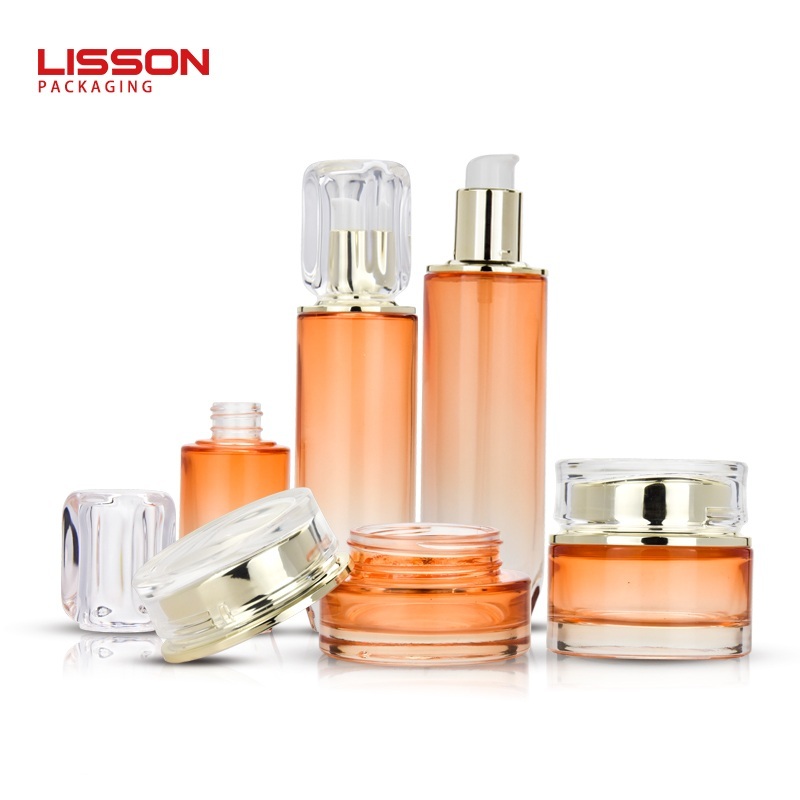
Specifying Your Cosmetic Glass Bottles Set
A clear spec sheet saves weeks of back-and-forth later. Start with capacity. The table below shows how capacity maps to product type and which details deserve a check.
|
Indicative capacity |
Common packaging applications |
Buying points to check |
|---|---|---|
|
5–15 ml |
Samples, eye treatments, concentrated oils, gift sets |
Drop size, travel requirements, label area |
|
20–50 ml |
Serums, facial oils, essences, liquid makeup |
Dropper or pump output, headspace, shelf position |
|
100–200 ml |
Toners, lotions, liquid moisturizers |
Pump performance, grip, shipping efficiency |
Shape comes next. Round bottles feel good in the hand and work with filling lines you already have. Square and rectangular shapes stand out on shelves and pack well in cartons. Boston Round bottles have a short neck and rounded body, and they fit oils and liquid treatments. Custom shapes or embossed details make a product stand apart, but they take extra time and money to develop.
Glass type affects both how a product looks and how well it is protected. Clear glass shows the product's natural color and fill level. Amber glass works for facial oils and botanical formulas that need extra light protection. Cobalt blue, green, and other tints set product lines apart and block some light. Frosted glass gives a soft, refined look. For a luxurious feel, ask for thick-base hard glass and confirm the wall thickness in writing.
Closures and decoration complete the set. Droppers fit serums and oils, so check pipette length, bulb material, drop size, and sealing. Pumps serve lotions and toners. Screw caps with orifice reducers work well for controlled pouring. Decoration options include screen printing, coating, labeling, hot stamping, frosting, embossing, and laser etching. Treat these as services a supplier offers, not items included by default. DHgate notes that catalog specs such as neck finish codes like 24/410 or DIN18 are standard anchors for matching bottles to closures.
Finding Reliable Wholesale Partners
You can Source Glass Bottle Wholesale Sets through several channels. Online marketplaces such as Alibaba and Global Sources give you broad supplier networks and customization options. Industry directories such as ThomasNet focus on verified manufacturers, and some list suppliers with no minimum order quantity. Trade shows let you inspect samples and meet factory teams in person. Community referrals from other founders often surface the most dependable partners.
Several suppliers deserve a look. Glassnow emphasizes eco-friendly materials and elevated design. Lisson produces custom bottles in China. Calaso is known for precision and elegance. DING SHENG offers a full-set luxury series in 50ml, 100ml, and 120ml. When you compare Glass Bottle wholesale options, request quotes from three to five qualified companies before you commit. A structured five-day research plan helps: list fifteen candidates, filter by product category and MOQ, drop non-responders, shortlist five to seven, then send identical specs and questions to each. Brands like Lisson can use this process to build a shortlist of Empty Glass Jars and Glass Bottles Set suppliers that fit their volume and design goals.
Evaluating Supplier Quality and Compliance
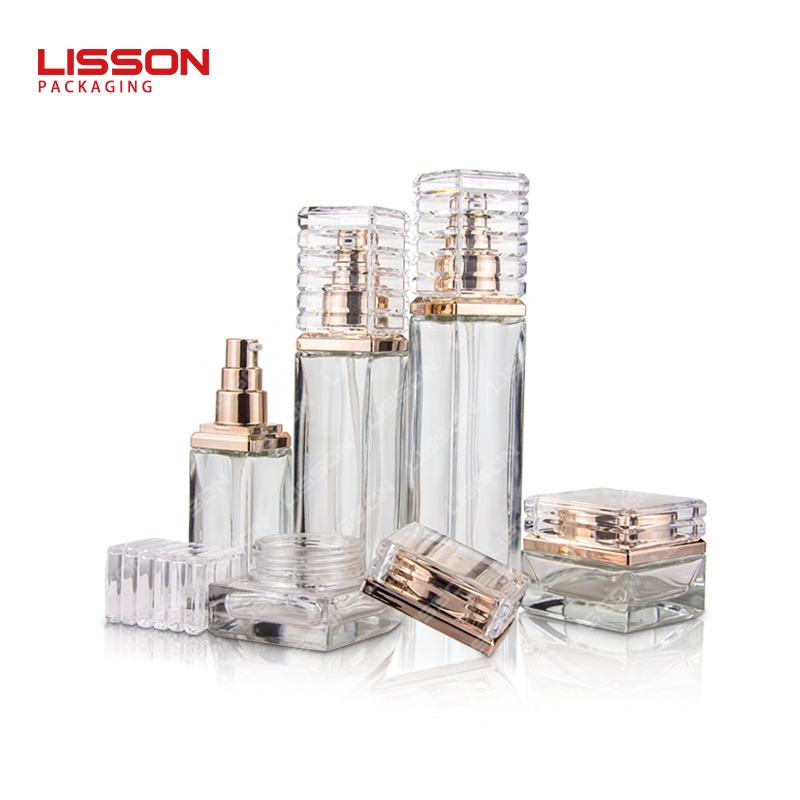
Vetting Suppliers with Certifications and Samples
Paperwork is your first filter. Ask for the certificate number, then check it on the issuer's website. EagleBottle warns that a nice-looking PDF proves little by itself. Watch for these common problems:
-
Certificates that have expired
-
A certificate scope that covers a trading company rather than the factory
-
An "SGS audited factory" claim based on one old pre-shipment inspection
-
A scanned copy with the company name changed
Ask for lot-specific documents instead of a generic certificate file. Third-party lab reports for each batch, along with ISO 9001, FDA, SGS, and CE documents, give you a real audit trail.
Samples turn claims into evidence. Janon Glass suggests a structured trial before any bulk order:
-
Order a small set and check the fit — caps, pumps, and droppers should screw on tightly.
-
Judge the feel and make sure the glass is sturdy, not thin.
-
Fill each unit with your real product, not water, and test for leaks upright, tilted, and under light pressure.
-
Turn the filled bottles upside down for 24 hours, squeeze gently to mimic shipping pressure, and run a short heat and cold cycle if the product will sit in a warm warehouse or a cold truck.
-
Check label adhesion and consistency of color, height, and finish across the batch.
RJ Packing notes that custom or decorated samples usually cost 50 to 200 USD plus shipping, while standard catalog items may be free or carry a small handling fee. Treat that charge as cheap insurance for a Cosmetic Glass Bottles Set you will reorder many times.
Meeting FDA and Material Safety Standards
Compliance documents should arrive without hesitation. A serious supplier provides them readily; stalling or vague answers are a warning sign. The table below maps what to request.
|
Category |
What to request |
|---|---|
|
Quality documentation |
Inspection records, test results, certificates of compliance, standard operating procedures, and inspection protocols |
|
FDA compliance |
Documents showing glass composition meets applicable FDA regulations, plus supporting test data |
|
EU compliance |
Documents for applicable EU regulations, including REACH compliance confirming substances meet REACH requirements |
|
Additional compliance |
California Proposition 65 documents (glass generally falls outside its scope) and Health Canada standards for Canadian cosmetic regulations |
|
Verification |
Certificates of analysis, certificates of compliance, and independent third-party test reports |
Sample types include material, prototype, production, and first article inspection samples. Evaluate each one through dimensional measurement, visual inspection, weight verification, cap fit, and decoration quality.
Look past the unit price. True cost includes defect rates, replacement shipments, and the staff hours spent chasing problems. Sustainability belongs in the same review. Ask how a supplier sources and recycles glass, and favor partners whose environmental claims come with documents. Lisson can apply this same discipline to every Glass Bottle wholesale order and to each Empty Glass Jars and Glass Bottles Set it specifies, so quality problems surface before your customers ever see them.
Negotiating Pricing, Terms, and Logistics
Mastering MOQs and Payment Terms
Minimum order quantities set the real starting point for any deal. Container & Packaging reminds buyers that some suppliers require big orders upfront. So confirm the MOQ fits your budget and storage space before you negotiate anything else. Volume changes the math. Ashland Container data shows standard bottles at $0.50–$0.90 per unit across 1,000–5,000 units, dropping to $0.18–$0.30 at 250,000+ units. Lead times stretch from 2–3 weeks to 8–12 weeks along the same curve. Ask for tiered pricing in writing, then model your cash flow against each tier.
Payment terms deserve equal scrutiny. Push for a deposit with the balance due after inspection. Also confirm whether tooling or mold costs for embossed logos and custom shapes are one-time or recurring. When you Source Glass Bottle Wholesale Sets for the first time, treat every fee as negotiable until the supplier says otherwise.
Planning Shipping and Inventory
Freight can quietly erase your margin. Compare rates across every shortlisted vendor, because buyers report prohibitively high shipping costs from certain suppliers. Distance drives both cost and breakage, as the Ashland Container figures below show.
|
Shipping Distance |
Cost per Unit |
Cost per Pallet |
Breakage Risk |
|---|---|---|---|
|
Local (<200 miles) |
$0.02–$0.05 |
$150–$300 |
0.5–1% |
|
Regional (200–500 miles) |
$0.05–$0.10 |
$300–$600 |
1–2% |
|
National (500+ miles) |
$0.10–$0.20 |
$600–$1,200 |
2–3% |
|
International |
$0.20–$0.50 |
$1,200–$3,000+ |
3–8% |
Consolidate orders to reach full truckload economics, and design storage that protects fragile glass while maximizing space. Stock programs help here. Burch Bottle ships single cases or full truckloads from its New York warehouse and quotes freight before you commit. Lisson can pair a stock program for fast movers with bulk orders for its signature Cosmetic Glass Bottles Set, keeping capital free while shelves stay full.
Finalizing the Partnership for Long-Term Success
Establishing Contracts and Quality Agreements
A handshake will not keep your reorder schedule safe. Put the deal in writing, and spell out roles, expectations, deliverables, timelines, penalties, and compliance rules. Mitti suggests detailed service-level agreements that cover quality metrics, delivery windows, and corrective action timelines. Bring in procurement, legal, quality, and operations before you sign, so the document matches how your business really runs.
Build the clause set around the risks you already found during sampling:
-
Quality standards and oversight rules, with ISO 9001 certification required
-
Lot or batch tracking, so a defect traces back to a specific run
-
Documentation checks for REACH, RoHS, and Material Safety Data Sheet records
-
Flexibility and backup clauses for market swings and supply disruptions
-
Penalty clauses or performance rewards tied to steady delivery
-
A business continuity plan, plus backup for high-risk components
Building a Communication Framework
Contracts set the rules; communication keeps them alive. Agree on a fixed review rhythm, a named contact on each side, and a shared log for defects and corrective actions. Track delivery performance metrics and use real-time logistics tracking, so a late container shows up as a warning, not a surprise. Sort your suppliers by how critical and risky they are, then give the high-risk ones more attention.
Lisson can turn this into a lasting relationship by treating the supplier as a partner in its Cosmetic Glass Bottles Set program. Share forecasts early, flag design changes before tooling starts, and review quality data together each quarter. When you Source Glass Bottle Wholesale Sets for the next season, that history shortens every negotiation. The same care pays off across each Empty Glass Jars and Glass Bottles Set you reorder, and it keeps your Glass Bottle wholesale supply steady for years.
You now have a process you can repeat. Define your specs first, then check suppliers using certificates and samples made with your real product. Confirm FDA and EU paperwork before you talk about MOQs, payment terms, and freight. Finish by putting a contract and a communication schedule in place. Each step protects the next one.
Follow these steps and you can Source Glass Bottle Wholesale Sets with confidence. A strong supply chain does not happen by chance. It grows from clear specs, checked partners, and regular reviews. Treat smart sourcing as an investment in your brand's future, and your packaging will keep earning customer trust with every order.
FAQ
How much should you budget for samples before a bulk order?
Expect custom or decorated samples to cost roughly 50 to 200 USD plus shipping. Standard catalog items may arrive free or carry a small handling fee. Treat the charge as insurance. Fill each sample with your real formula and run a 24-hour upside-down leak test before you approve it.
What minimum order quantity should a small skincare brand target?
Pick an MOQ that fits your budget and storage space first. Standard bottles often price at $0.50–$0.90 per unit across 1,000–5,000 units. Ask for tiered pricing in writing, then model your cash flow against each tier. Lisson can start small on a Cosmetic Glass Bottles Set and scale as demand grows.
How long does a Glass Bottle wholesale order usually take?
Lead times stretch from 2–3 weeks on small runs to 8–12 weeks at high volumes. Add sample approval and freight time on top. Build a buffer into your launch calendar, and confirm the schedule in writing before you pay a deposit.
Which compliance documents should you request up front?
Ask for lot-specific third-party lab reports, ISO 9001, FDA, SGS, and CE documents, plus REACH compliance for EU sales. Request certificates of analysis and compliance for each batch. A serious supplier shares these readily. Stalling or vague answers signal risk for any Empty Glass Jars and Glass Bottles Set order.
How do you keep a supplier relationship strong after the first order?
Set a fixed review rhythm, name one contact on each side, and keep a shared log for defects and corrective actions. Share forecasts early and flag design changes before tooling starts. Quarterly quality reviews keep your Glass Bottle wholesale supply steady season after season.