Stop Wasting Money! How to Spot High-Quality Flexible Rubber Magnet
Buying Flexible Rubber Magnet and getting scammed? You’re not alone! Most buyers fall for the same trap: low-quality rubber magnets look exactly like high-quality ones, but they fail in months—magnetism fades in 3-6 weeks (not months!), they crack the first time you bend them, and they crumble in extreme temperatures. This doesn’t just waste your cash—it derails projects, ruins your brand, and forces you to reorder again and again. But you can end the frustration today! Master these Rubber Magnet Buying Tips to spot High-Quality Rubber Magnet in 2 minutes, avoid scams, and get products that last. We’ll break it down with real data, simple tests, and everything you need to know.
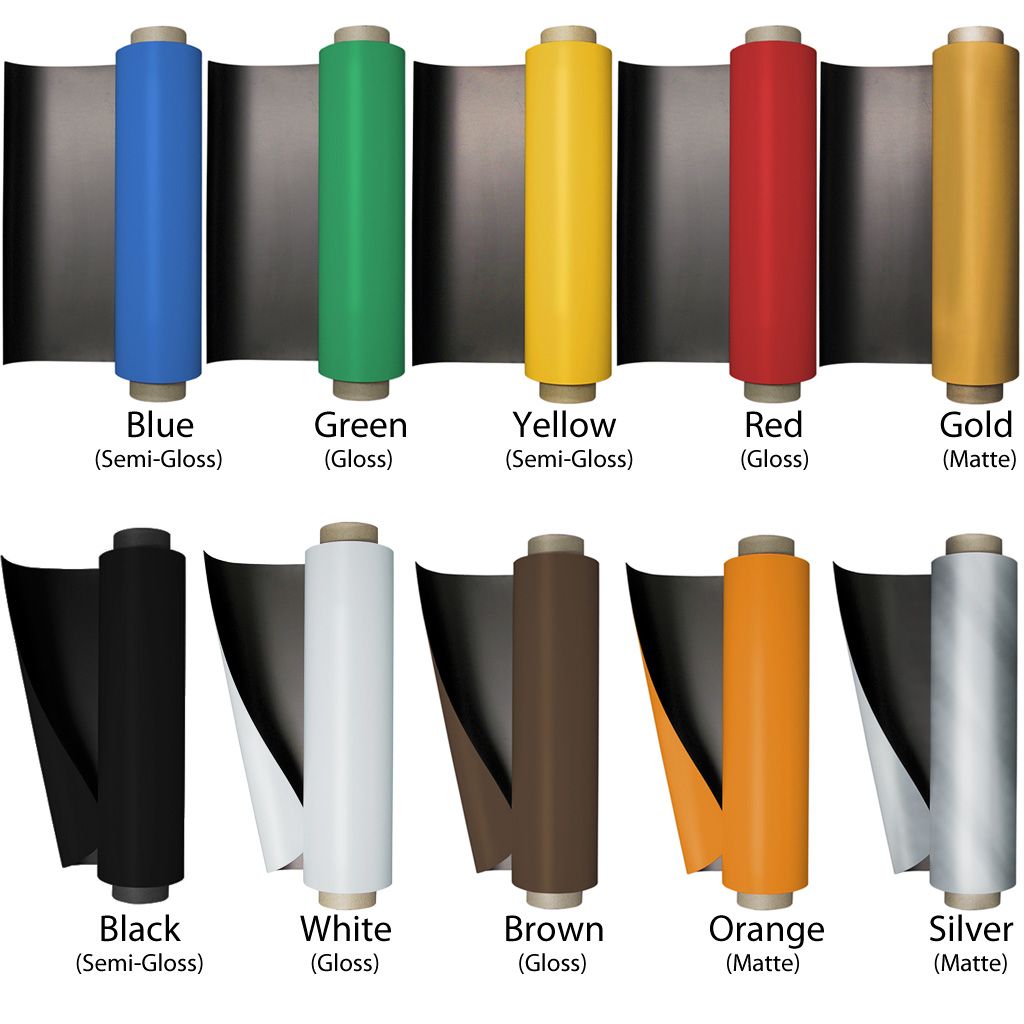
1. Key Performance: High-Quality vs Low-Quality Flexible Rubber Magnet
The fastest way to tell a High-Quality Rubber Magnet from a dud is to check their core performance. Below is a data comparison table (tested at 25℃, normal humidity, no magnetic interference) that reveals the stark differences—keep this handy as your go-to Rubber Magnet Buying Tips reference.
|
Performance Indicator |
High-Quality Flexible Rubber Magnet |
Low-Quality Flexible Rubber Magnet |
Key Advantage of High-Quality |
|
Magnetism Retention (1 year) |
≥95% |
≤70% |
Long-lasting magnetism, no frequent replacement |
|
Bending Resistance (Minimum Radius) |
0.25 inch (6.35mm) |
1 inch (25.4mm) |
Flexible, no cracking, fits curved surfaces |
|
Operating Temperature Range |
-40℃ ~ 80℃ |
0℃ ~ 50℃ |
Adapts to indoor/outdoor, no performance loss |
|
Magnetic Powder Content |
65% ~ 70% |
≤50% |
Stronger adsorption, stable performance |
|
Service Life |
10 ~ 15 years |
1 ~ 2 years |
Cost-saving, low maintenance |
2. Rubber Magnet Buying Tips: 3 Easy Ways to Spot Quality
You don’t need fancy tools to identify a High-Quality Rubber Magnet—just follow these 3 simple Rubber Magnet Buying Tips, and you’ll never get scammed again. First, test flexibility: a top-tier Flexible Rubber Magnet bends to 0.25 inches (6.35mm) without cracking or losing magnetism; low-quality ones snap or crack instantly. Second, check magnetism uniformity: use a gaussmeter (or even a small metal object) to test different spots—high-quality magnets have consistent pull, while low-quality ones have spotty, weak areas. Third, inspect the surface: smooth, bubble-free, and uniform means quality; uneven texture or visible magnetic powder clumps mean cheap materials. These quick checks save you time and money.
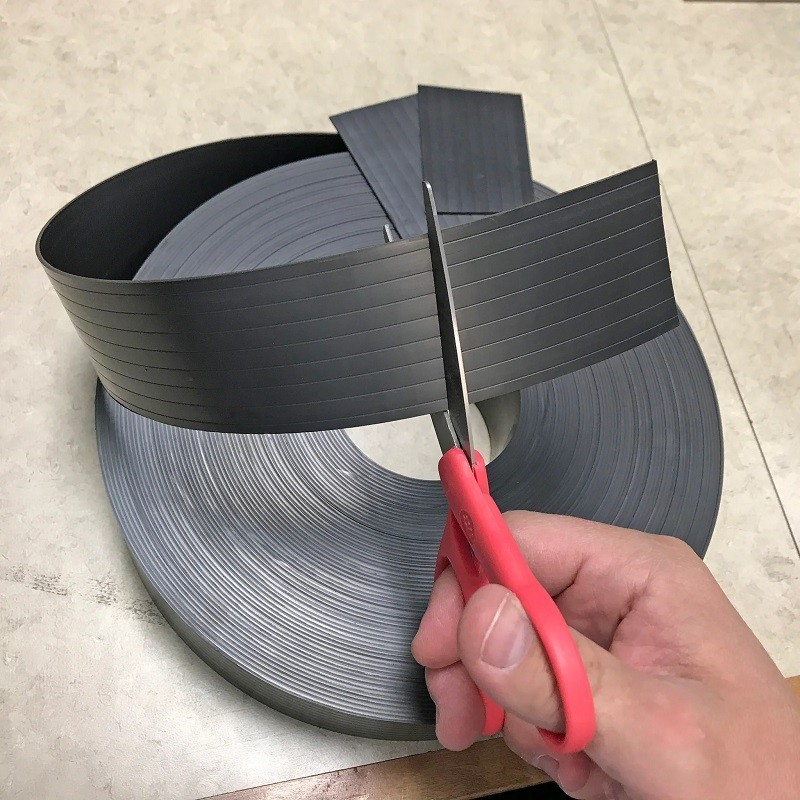
3. Why High-Quality Rubber Magnet Is Worth Investing In
Choosing a High-Quality Rubber Magnet isn’t just a purchase—it’s a cost-saving move that solves your biggest pain points. Unlike low-quality magnets that fail in 1-2 years, high-quality ones last 10-15 years with ≥95% magnetism retention after 1 year, cutting replacement costs drastically. Their superior bending resistance (0.25-inch radius) and wide temperature range (-40℃ ~ 80℃) make them perfect for indoor/outdoor use—from fridge magnets to industrial door seals. Plus, they’re lightweight, easy to cut, and durable, so you can use them for advertising, home, or industrial needs. A High-Quality Rubber Magnet protects your time, your brand, and your bottom line.
Xiamen kings magnet Co., Ltd. is committed to the production of high-performance, high-precision, and high-difficulty magnetic materials. Welcome to consult.
FAQ
Q1: Can I judge a Flexible Rubber Magnet’s quality by its appearance alone?
A1: No. Low-quality and high-quality flexible rubber magnets look almost identical. You need to test flexibility, magnetism uniformity, and check the magnetic powder content—appearance only can’t reflect performance, which is a common mistake in Rubber Magnet Buying Tips.
Q2: What’s the difference between isotropic and anisotropic High-Quality Rubber Magnets?
A2: Isotropic flexible rubber magnets have lower magnetism (max energy product ≤0.63 MGOe) and are suitable for light-duty use like fridge magnets. Anisotropic ones have stronger magnetism (max energy product ≥1.35 MGOe) and are ideal for industrial applications like door seals and automotive parts.
Q3: Are high-quality flexible rubber magnets waterproof?
A4: Most High-Quality Rubber Magnets have a protective coating (like PVC) that makes them waterproof and corrosion-resistant, suitable for outdoor use (e.g., outdoor magnetic signs). Low-quality ones lack this coating and will lose magnetism when exposed to water or moisture.