Choosing plastic packaging for large-scale skincare production involves much more than selecting an attractive bottle. For skincare brands preparing to manufacture thousands or even hundreds of thousands of units, packaging must meet several requirements at the same time: formula compatibility, dispensing performance, filling-line efficiency, consistent appearance, transportation durability, and reliable supply capacity.
A packaging solution that works well for a small product launch may not be suitable for continuous mass production. Differences in bottle dimensions, material properties, pump performance, and component assembly can affect production efficiency and the consistency of finished products.
For this reason, brands should evaluate the complete packaging system before placing a bulk order. LISSON Packaging provides customized cosmetic packaging solutions, including plastic bottles, airless bottles, lotion pump bottles, applicator bottles, and other OEM/ODM packaging options for skincare and personal care brands.
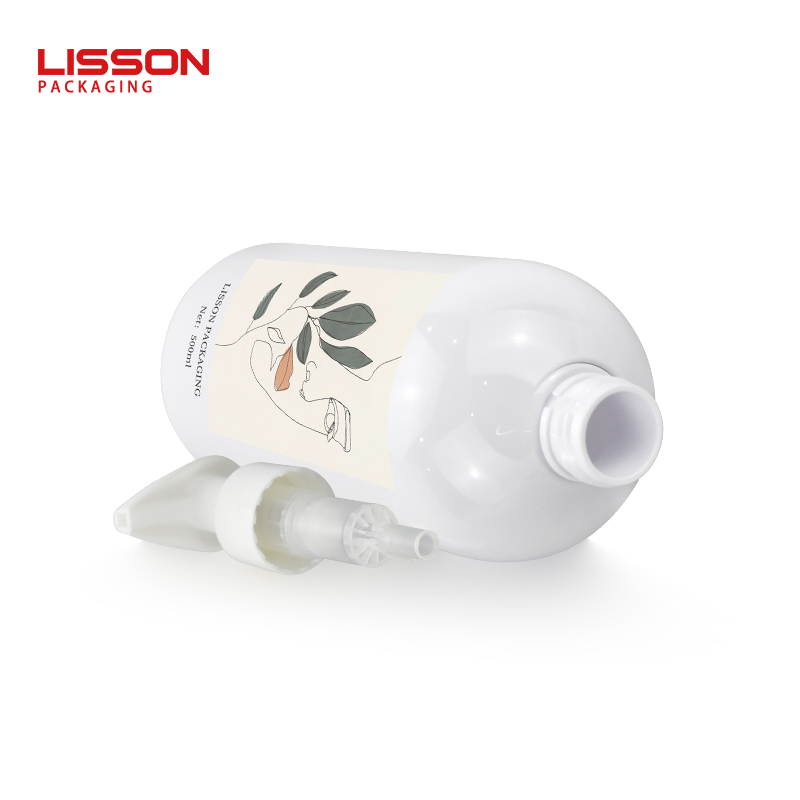
Start With the Skincare Formula and Product Application
The first step in choosing plastic packaging is understanding what the bottle or container needs to hold. Different skincare formulations have different requirements, and the packaging should be selected according to the product's viscosity, ingredients, dispensing method, and storage conditions.
For example, facial toners and lightweight essences generally require packaging that allows smooth liquid dispensing. Facial lotions and moisturizers may work better with lotion pumps, while concentrated serums and certain sensitive formulations may benefit from airless packaging.
Brands should consider the following applications when developing their packaging specifications:
- Facial cleanser: Requires convenient dispensing, suitable bottle capacity, and reliable closure performance.
- Facial toner: Often uses mist spray bottles or other packaging designed for low-viscosity liquids.
- Facial serum: May require a dropper, treatment pump, or airless dispensing system depending on the formulation.
- Face cream: Can use cosmetic jars or airless pump bottles for convenient product access and dispensing.
- Body lotion: Typically benefits from larger-capacity plastic bottles with compatible lotion pumps.
- Sunscreen: May require squeeze bottles, pump bottles, or specialized containers according to the formula and application method.
LISSON offers different cosmetic plastic bottles for skincare and personal care applications. Selecting packaging based on the actual product helps brands avoid unnecessary design changes after production has started.
Choose the Right Plastic Material for Production Requirements
Plastic material selection affects packaging weight, appearance, structural strength, flexibility, chemical compatibility, and manufacturing performance. A material that works for one skincare formula should not automatically be used for another.
Several materials are commonly considered for cosmetic packaging:
PET: PET is often selected when brands want lightweight packaging with a clear, clean appearance. It can be suitable for various skincare and personal care products, depending on the specific grade, bottle structure, and formula compatibility.
HDPE and PE: These materials are commonly used for squeeze bottles, lotion containers, sunscreen packaging, and other personal care applications. Their properties make them worth considering when brands need practical and lightweight packaging.
PP: Polypropylene is frequently used for caps, closures, pump components, and selected bottle structures. It can be incorporated into packaging systems that require functional and durable components.
PETG: PETG offers design flexibility and an attractive appearance. It is often considered for premium cosmetic packaging, including skincare bottles that require distinctive shapes or transparent structures.
PCR Plastic: Post-consumer recycled plastic is an option for brands looking to incorporate recycled materials into their packaging strategy. Before mass production, buyers should confirm the recycled content, material consistency, appearance, and suitability for the intended application.
For formulas with specific barrier requirements, brands can also evaluate multilayer structures. LISSON offers EVOH-layer HDPE bottles for applications such as sunscreen and hand cream. The final packaging should still be tested with the actual formula and storage conditions.
The most suitable material is not necessarily the cheapest or most visually attractive option. It is the one that delivers the required performance while remaining practical for repeated production orders.
Brands exploring different plastic structures can review LISSON's plastic bottle collection to compare available packaging options.
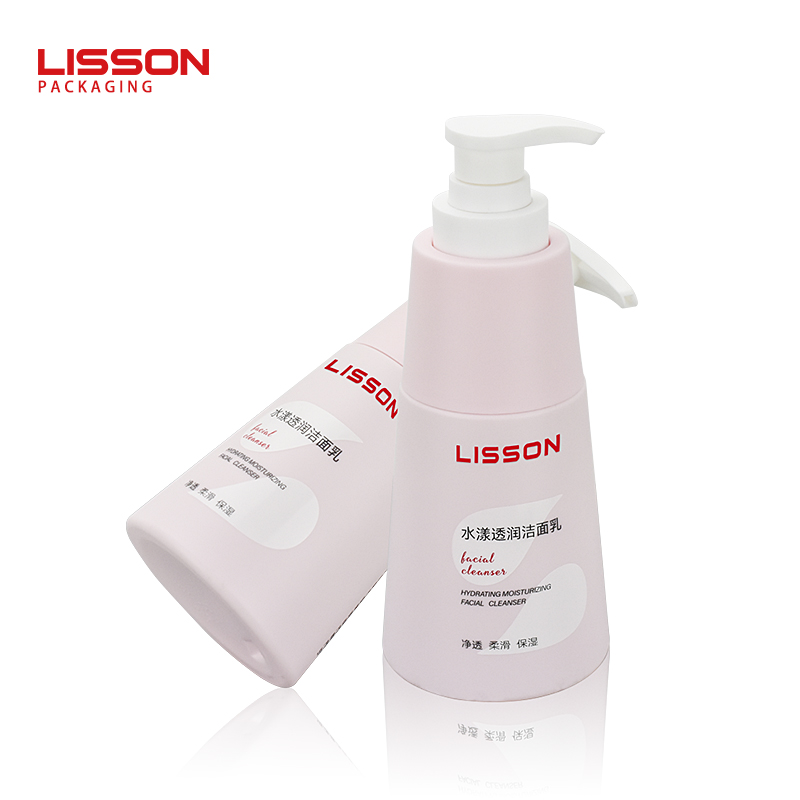
Match the Bottle and Dispensing System to the Formula
Packaging performance depends on more than the bottle body. Pumps, spray heads, droppers, caps, and other closures all influence how consumers use the product and how efficiently the package can be assembled.
A mismatch between the formula and dispensing system can lead to problems such as difficult pumping, inconsistent output, product residue, leakage, or excessive product waste.
Brands should evaluate the following options:
- Lotion pump bottles: Suitable for many lotions, liquid foundations, and personal care formulations that require controlled dispensing.
- Airless pump bottles: Worth considering for selected serums, creams, and other formulations where controlled dispensing and reduced direct air exposure are important.
- Mist spray bottles: Suitable for compatible toners, facial mists, and lightweight liquid products.
- Dropper bottles: Useful for products that require controlled dispensing of small liquid quantities.
- Cosmetic jars: Suitable for creams, masks, and other products that consumers access directly from a wide opening.
For example, LISSON's 200ml PET lotion pump bottle combines a PET bottle body with a PP dispensing component. It offers a practical reference for brands developing lotion and personal care packaging.
For skincare brands developing premium product lines, airless packaging is another option worth evaluating. The plastic airless bottle collection provides different capacities and designs for skincare applications.

Consider Automated Filling and Assembly Efficiency
When skincare production reaches a large volume, packaging must work smoothly with the manufacturer's filling and assembly equipment. A bottle that is difficult to position, fill, seal, or label can slow down the entire production process.
Before confirming a packaging design, brands should check several practical details:
- Bottle dimensions: Height, diameter, and shape should be compatible with the filling and conveying equipment.
- Opening and neck finish: The bottle opening should match the filling nozzle and selected closure.
- Bottle stability: The base should provide sufficient support during filling, capping, and transportation.
- Wall thickness: The structure should withstand normal handling and production conditions without unnecessary deformation.
- Pump assembly: Pump dimensions and connection structures should be consistent across production batches.
- Decoration process: Printing and labeling should be suitable for the bottle surface and the planned production speed.
For example, a brand producing 100,000 bottles of facial lotion needs more than a visually attractive container. It needs consistent bottle dimensions, reliable pump installation, stable dispensing performance, and packaging that can move through the filling line without frequent adjustments.
Discussing these requirements with the packaging manufacturer before mass production can reduce avoidable production interruptions.
Evaluate Quality Consistency Before Placing a Bulk Order
Quality control becomes increasingly important as order quantities increase. Even small differences in bottle dimensions, color, weight, neck finish, or pump performance can become noticeable when thousands of products are produced in the same batch.
Skincare brands should establish clear inspection requirements before approving mass production. Important checks include:
- Visual inspection for scratches, surface defects, color differences, and molding marks.
- Dimensional inspection to confirm bottle height, diameter, capacity, and neck specifications.
- Leakage testing for bottle bodies, caps, pumps, and other sealing components.
- Dispensing tests to check pump output, smooth operation, and product evacuation.
- Formula compatibility testing to identify potential swelling, deformation, discoloration, or other material-related issues.
- Decoration inspection to confirm logo positioning, printing quality, and color consistency.
It is also important to test packaging with the actual skincare formula rather than relying only on empty bottle samples. A container may look perfect before filling but behave differently after prolonged contact with a particular formulation.
Brands should approve pre-production samples and retain confirmed reference samples where appropriate. This provides a practical standard for comparing future production batches.
Think About Brand Appearance and Customization
For skincare brands, packaging is part of the overall product experience. Even when two products contain similar formulas, their packaging can create very different impressions in the market.
Large-scale production does not mean brands must use standard-looking containers. Plastic cosmetic packaging offers several customization possibilities, including:
- Custom bottle shapes and capacities.
- Pantone color matching for consistent brand identity.
- Matte, glossy, and frosted surface finishes.
- Silkscreen printing and offset printing.
- Hot stamping and customized labels.
- Customized pump heads, caps, and closure colors.
For example, a minimalist skincare brand may prefer a simple white or transparent bottle with a clean logo, while a premium skincare collection may use frosted surfaces, metallic details, or customized bottle shapes.
The important point is to balance visual differentiation with manufacturing practicality. Complicated decoration or structural designs should be evaluated for their effect on production costs, lead times, and quality consistency.
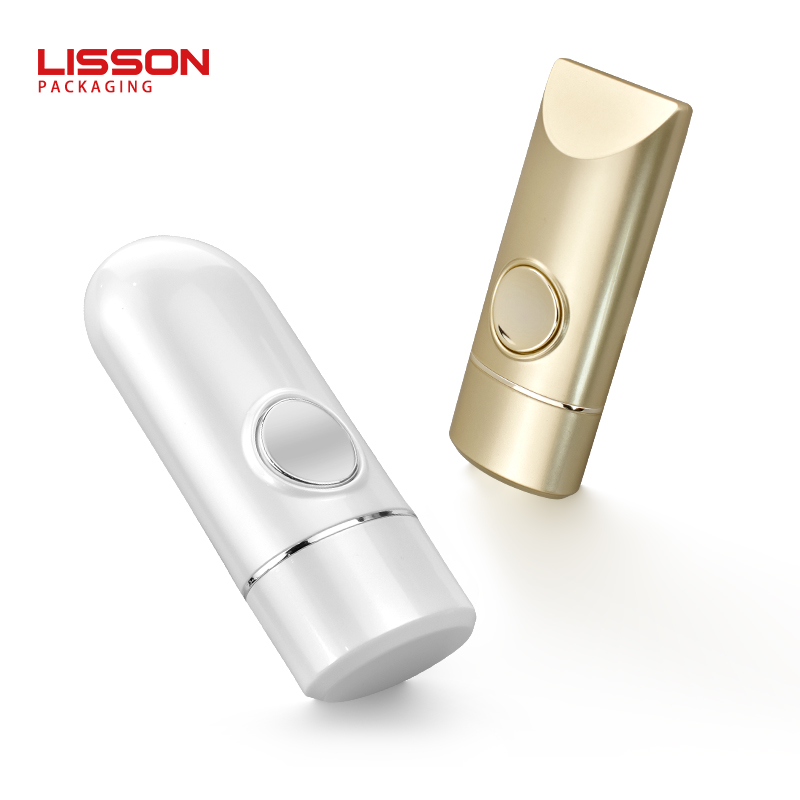
LISSON provides custom cosmetic bottle packaging services, including bottle design, mold development, color matching, surface decoration, sample development, and mass production.
Calculate the Total Cost of Packaging, Not Just the Unit Price
When purchasing plastic packaging in bulk, unit price is naturally an important consideration. However, the lowest quotation does not always represent the most economical solution.
Brands should evaluate the total packaging cost, including:
- Bottle body and material costs.
- Pump, cap, and closure component costs.
- Custom mold development and tooling expenses, where applicable.
- Printing, labeling, and surface decoration costs.
- Sample development and testing expenses.
- Protective packaging and transportation costs.
- Potential losses caused by defective components or packaging failures.
For example, a slightly more expensive bottle with a better-matched pump and more stable structure may help reduce filling problems, leakage complaints, and product waste. These factors can make a meaningful difference across repeated bulk orders.
Brands should also discuss minimum order quantities, production capacity, sample approval, and repeat-order arrangements with their packaging supplier. These details are particularly important for businesses planning long-term product launches or expanding into multiple markets.
Check the Manufacturer's Production and Supply Capabilities
Choosing a packaging supplier is just as important as choosing the packaging itself. A manufacturer should be able to support the development process, provide suitable packaging options, maintain production consistency, and communicate clearly throughout the order.
Before selecting a supplier for large-scale skincare packaging, buyers should review:
- Experience in manufacturing cosmetic and skincare packaging.
- Available plastic materials and bottle structures.
- In-house mold development and customization capabilities.
- Production equipment and manufacturing capacity.
- Quality inspection procedures and sample approval processes.
- Experience with international orders and export packaging.
- Ability to support repeat orders and future product development.
LISSON Packaging provides OEM and ODM cosmetic packaging solutions for skincare, beauty, and personal care brands. According to its company information, LISSON integrates packaging design, mold development, bottle production, quality control, and international logistics.
With a range of plastic bottles, airless packaging, pump bottles, applicator bottles, and cosmetic containers, LISSON helps brands evaluate packaging solutions according to their product requirements and production plans.
What Should Brands Prepare Before Requesting a Packaging Quotation?
Providing complete product information makes it easier for a manufacturer to recommend suitable packaging and prepare an accurate quotation. Before contacting a supplier, skincare brands should ideally prepare the following details:
- Product type and intended application.
- Formula characteristics and approximate viscosity.
- Required bottle capacity and dimensions.
- Preferred plastic material or packaging structure.
- Dispensing requirements, such as a pump, spray, dropper, or screw cap.
- Logo artwork, color references, and decoration preferences.
- Estimated order quantity and expected repeat-order volume.
- Target delivery date and destination market.
If the packaging design is not finalized, brands can also provide product references or examples of existing packaging. The manufacturer can then help evaluate suitable structures and customization options before sample development begins.
Frequently Asked Questions About Plastic Packaging for Large-Scale Skincare Production
What plastic material is best for large-scale skincare packaging?
There is no single material suitable for every skincare product. PET, PETG, HDPE, PE, and PP are commonly considered options. The appropriate material depends on the formula, required appearance, bottle structure, dispensing system, and production conditions. Brands should confirm compatibility through testing before mass production.
Which plastic packaging is suitable for facial serums and creams?
Facial serums may use dropper bottles, treatment pumps, or airless bottles, depending on their viscosity and formulation requirements. Facial creams can use cosmetic jars, lotion pump bottles, or airless packaging. The dispensing system should be tested with the actual product.
Can customized plastic cosmetic bottles be manufactured in large quantities?
Yes. Customized plastic cosmetic bottles can be produced in large quantities after the bottle design, material, mold, components, and samples have been approved. LISSON lists a general MOQ of 10,000 pieces for several customized bottle products. Specific requirements should be confirmed with the manufacturer.
How can brands ensure consistent packaging quality across bulk orders?
Brands should establish approved samples and clear product specifications before production. Dimensional checks, visual inspection, leakage testing, dispensing tests, and formula compatibility evaluations help maintain consistent packaging quality across batches.
Can plastic skincare packaging be customized with brand colors and logos?
Yes. Common customization options include Pantone color matching, matte or glossy finishes, frosted surfaces, silkscreen printing, offset printing, hot stamping, and customized closures. The final decoration method should be selected according to the bottle material, design, and production requirements.
What should brands test before approving a mass production order?
Brands should test the actual formula inside the selected packaging and evaluate sealing, leakage, dispensing, material compatibility, appearance, and transportation performance. Pre-production samples should be approved before the manufacturer starts the full production run.
Choose Packaging That Supports Long-Term Production
Choosing plastic packaging for large-scale skincare production requires a balance between product compatibility, manufacturing efficiency, quality consistency, brand appearance, and overall cost. The right solution should work not only for the first order but also for future production batches as the brand grows.
By evaluating materials, bottle structures, dispensing systems, customization options, and supplier capabilities early in the development process, skincare brands can reduce packaging risks and build a more reliable supply chain.
LISSON Packaging offers customized plastic cosmetic bottles and OEM/ODM packaging solutions for skincare and personal care brands. Whether you are developing facial cleanser bottles, lotion pump bottles, airless containers, or customized skincare packaging sets, you can explore the available options and discuss your project requirements with the LISSON team.
Visit LISSON Packaging to explore cosmetic packaging solutions for your next skincare production project.