Your essential oil formula is delicate. Oxygen, light, and contaminants slowly change its chemistry, and the damage often shows up first as a sharp or stale aroma. Cosmetic Airless Pump Bottles offer a practical answer. They keep outside air away from the formula during storage and each use, so the contents stay closer to the day they were filled. Lisson designs packaging around this principle. What could a faded scent or a shortened shelf life quietly cost your brand in repeat purchases and trust?
Key Takeaways
-
Airless pump bottles keep air out. This stops oxidation and keeps your essential oil formula fresh.
-
The piston design pushes product out and leaves almost no waste. You get more usable product from each bottle.
-
Airless bottles can extend shelf life by up to 40%. Your formula stays effective from first use to last.
-
Choose airless packaging for oxygen-sensitive oils. It protects potency and reduces contamination risk.
-
Careful filling matters. Air bubbles can break the vacuum seal and weaken performance.
How Cosmetic Airless Pump Bottles Work
The Piston and Pump System
Cosmetic Airless Pump Bottles protect your formula through a simple mechanical idea: the package shrinks as the product leaves. A piston or diaphragm sits inside the container and generates a vacuum, forming a seal between the product and the outside air. When you press the pump, the piston shifts upward. That movement creates a vacuum, and the vacuum pulls the liquid toward the compartment behind the piston. The product travels out through the nozzle, and no air enters the container. This vacuum-driven action keeps contamination out and delivers a consistent dose every time.
The piston starts at the bottom of the container and gradually rises as the product is consumed. It replaces the traditional dip tube and continuously pushes the product upward. Because the piston moves together with the product level, the system delivers product more efficiently and leaves less residue behind. On many piston-based bottles, a small opening in the base acts as a vent. Air enters the space below the moving piston to balance pressure, and the piston keeps that air separated from the product reservoir above.
"Airless" does not mean no air exists inside the package. The pressure-balancing air stays below the piston, isolated from the product.
Not every airless package uses a piston. Flexible diaphragm and rolling bellow systems collapse or roll inward to push viscous formulas upward without drawing in outside air. Piston systems typically suit consistent dosing and a premium feel, while diaphragm and bellow systems fit certain thick creams, gels, or sensitive formulations. Selection depends on viscosity, the filling process, and the dispensing experience you want. Lisson's Cosmetic Airless Pump Bottles use this piston system to block air and external contamination, and compatibility testing confirms that the bottle, piston, pump, seals, and liner work with your product's ingredients, viscosity, and pH.
The Tube-Free Design
A traditional pump bottle relies on a dip tube that works like a straw. Each stroke draws air into the bottle to lift the product, so the formula meets outside air repeatedly. The tube-free design removes that pathway entirely. A disc-shaped piston sits at the base, and each pump creates a vacuum that lifts the disc and pushes product straight out through the nozzle. No air re-enters the bottle, so the contents stay sealed and shielded from external elements.
This sealed chamber changes what the formula encounters. Air pockets cannot form, so oxidation has no entry point. Users never reach into the container, and airborne bacteria and fingers stay out. The result is a pure, hygienic product from the first pump to the last. One practical caution applies during production: air bubbles introduced during filling can disrupt the vacuum effect. The system depends on an intact vacuum seal, so careful filling protects the performance you designed into the package.
Airless vs. Traditional Packaging
Minimizing Air and Contaminant Exposure
Each packaging format serves a different job, and the right choice depends on your formula's sensitivity, your positioning, and your budget. The table below shows where airless and regular pump bottles differ most.
|
Feature |
Airless Bottle |
Regular Pump Bottle |
|---|---|---|
|
Air Exposure |
Very Low |
Moderate |
|
Formula Protection |
Excellent |
Standard |
|
Hygiene |
Excellent |
Good |
|
Product Waste |
Minimal |
Moderate |
|
Dispensing System |
Vacuum |
Dip Tube |
|
Suitable for Active Ingredients |
Yes |
Depends on Formula |
|
Packaging Cost |
Higher |
Lower |
|
Premium Positioning |
Excellent |
Good |
A regular pump bottle remains a practical, cost-effective option for many everyday skincare products. Cosmetic Airless Pump Bottles, however, shine when a formula contains oxygen-sensitive actives. Dropper bottles sit at the other end of the spectrum. Every time you remove the pipette, fresh air enters the bottle, and the tip can touch skin or surfaces. That repeated exposure accelerates oxidation and raises contamination risk. Airless pumps block air from entering the chamber entirely, so sensitive formulas stay protected from the first use to the last.
Reducing Waste and Ensuring Full Evacuation
Traditional pumps rely on a dip tube that cannot reach every corner of the bottle. A meaningful share of product typically stays trapped at the bottom. Airless systems use a piston that rises as you dispense, pushing the remaining contents toward the pump. This design evacuates over 95% of the product, while dropper bottles often leave 15–20% behind.
Traditional packaging often leaves a significant amount of product unused at the bottom of the bottle or jar. Airless pumps are designed to ensure nearly complete evacuation of the product, minimizing waste.
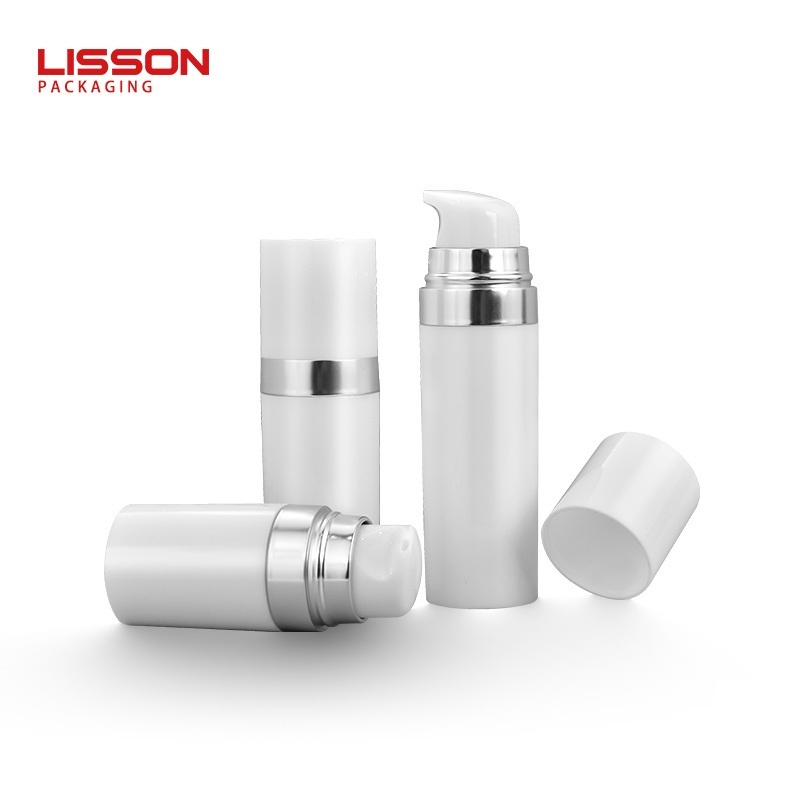
The Essential Oil Airless Pump Empty Bottle from Lisson puts this principle to work for oil-based formulas. Consumers get more usable product from every unit, and your brand gains a more economical, sustainable story to tell.
Protecting Essential Oil Potency
Preventing Oxidation and Degradation
Oxygen is the main enemy of an essential oil formula. The chemistry follows a predictable chain:
-
A terpene molecule in the oil reacts with atmospheric oxygen and forms a peroxide.
-
That peroxide reacts with another terpene molecule, and the reaction propagates.
-
The process is self-feeding, known as autoxidation. Once it starts in a small part of the bottle, it compounds instead of staying contained.
-
Hydroperoxides build up as intermediate products, and their presence can drive further oxidation.
Oxidation of essential oils is autoxidation: a chain reaction that, once started in a small portion of the bottle, continually feeds itself. The oil may appear stable for months, then change noticeably within weeks once the reaction reaches a threshold. No enzyme or living microorganism is involved; it is pure, temperature-dependent chemistry, which is why a cooler environment slows the reaction down.
Cosmetic Airless Pump Bottles cut this chain at its source. The piston seals the formula away from incoming air, so terpene molecules meet almost no oxygen during storage or use. The same protection shields sensitive additives such as antioxidants, vitamin C, and retinol, which degrade quickly once exposed to oxygen. Published figures for airless systems show oxidation reductions of up to 85% compared with open-air jars or traditional pump systems.
Extending Shelf Life and Formula Efficacy
A sealed chamber buys time. Airless pump systems can extend the shelf life of natural formulas by up to 40%, and serums specifically can last up to 15% longer. You gain more than a date code. The formula that reaches the consumer on day one still performs on the final pump, so the aromatic experience stays consistent from first use to last.
Volatile compounds deserve special attention. Monoterpene-rich oils such as lavender, rosemary, pine, and thyme are prone to resinification when oxygen contact continues. Airless dispensing removes the headspace air that standard pumps pull back in with every stroke, and the rising piston leaves no air pocket behind. Direct published data on volatile-compound retention in airless bottles for essential oils is limited, so treat the benefit as a sound general principle rather than a measured guarantee. Amber glass droppers remain a strong choice for very small volumes of neat oil, and airless wins where oxygen-sensitive actives and repeated dosing matter most.
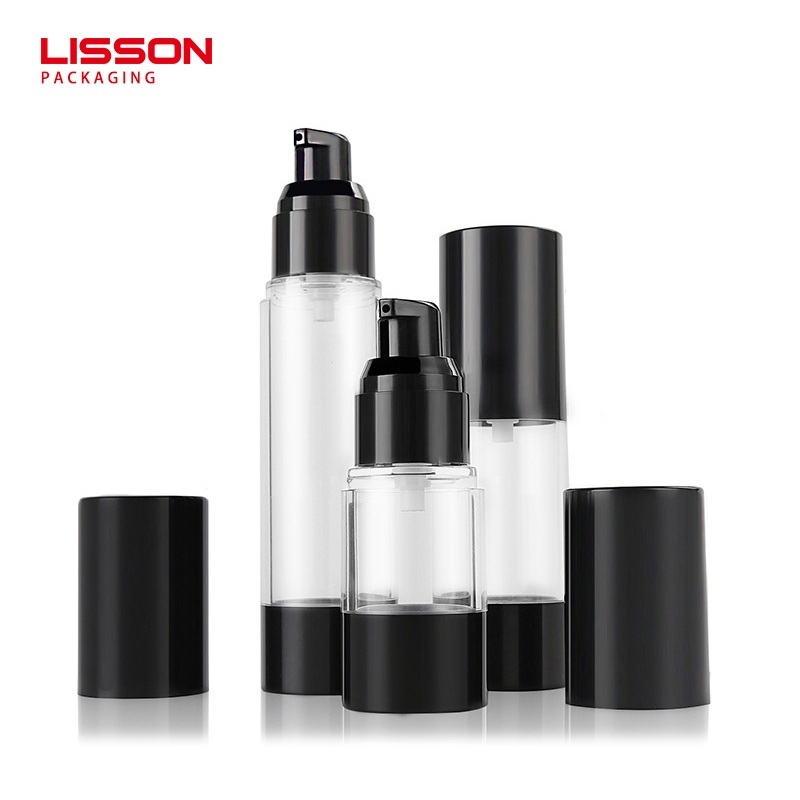
Packaging choice also shapes light protection. The Black Essence Oil Airless Pump Bottle from Lisson pairs the piston system with an opaque, light-blocking body, so your formula faces less ultraviolet exposure alongside reduced oxygen contact. Lisson builds these Cosmetic Airless Pump Bottles for brands that treat formula integrity as part of the product promise.
Airless pump bottles give your essential oil formula three layers of protection. The piston blocks incoming air, the sealed chamber slows oxidation, and the formula keeps its potency far longer. Published figures show oxidation cuts of up to 85% and shelf life gains of up to 40%.
Lisson builds this protection into every Cosmetic Airless Pump Bottle, including the Black Essence Oil Airless Pump Bottle. You protect product integrity, and your customers notice the difference on the final pump.
Packaging innovation now decides who wins shelf space. Airless technology belongs in that conversation.
Ready to protect your next formula? Explore Lisson's airless pump bottles today.
FAQ
How does an airless pump differ from a dropper bottle?
A dropper bottle lets air in every time you remove the pipette. An airless pump uses a piston and vacuum to push product out while keeping air sealed outside. For oxygen-sensitive formulas, the airless design offers stronger protection. Amber glass droppers still work well for small volumes of neat oil.
Do airless pump bottles suit every formula?
No. Piston systems fit many liquids and lotions, while diaphragm and bellow systems handle certain thick creams and gels. Viscosity, pH, and your filling process all shape the choice. Lisson tests bottle, piston, pump, and seals against your formula before production.
What filling problems can weaken an airless bottle?
Air bubbles trapped during filling can break the vacuum seal. The piston then cannot lift product reliably. Careful filling protects the performance built into the package. Discuss your filling setup with your packaging supplier early.
Is the higher cost of airless packaging worth it?
Airless bottles cost more per unit than regular pumps. They also evacuate over 95% of the product, so users waste less. For brands selling oxygen-sensitive oils, that protection and full evacuation often justify the price.
Can airless pumps help with light-sensitive oils?
Yes, when the bottle body blocks light. The Black Essence Oil Airless Pump Bottle from Lisson pairs the piston system with an opaque body. Your formula then faces less ultraviolet exposure alongside reduced oxygen contact.