When sourcing custom packaging, one of the first decisions a brand or purchasing team needs to make is whether to work directly with a manufacturer or place an order through a trading company. Both options can help businesses source packaging products, but they may differ in production control, customization flexibility, communication, pricing structure, and order management.
So, should you choose a custom packaging manufacturer or a trading company? The right choice depends on your product requirements, order volume, customization needs, and expectations for long-term cooperation. For businesses sourcing paper tubes, paper cans, gift boxes, and other packaging products, understanding these differences can help reduce purchasing risks and improve project efficiency.
As a packaging supplier with more than 20 years of experience in packaging printing and manufacturing, Xiamen SengKen Industry & Trade Co., Ltd. provides customized packaging solutions across multiple product categories. This guide explains what buyers should evaluate before choosing a packaging partner and how to identify the right supplier for their projects.
What Is the Difference Between a Packaging Manufacturer and a Trading Company?
A custom packaging manufacturer is generally involved in the production process, including material selection, printing, packaging construction, customization, and quality inspection. A trading company primarily acts as an intermediary between buyers and manufacturing suppliers, coordinating product sourcing, communication, and order fulfillment.
However, the distinction is not always absolute. Some manufacturers also provide sourcing services, while some trading companies maintain long-term relationships with reliable production facilities. Buyers should therefore evaluate the actual services and production arrangements behind a supplier's business model rather than relying only on its company title.
The following comparison highlights the key differences:
| Evaluation Factor | Packaging Manufacturer | Trading Company |
|---|---|---|
| Production | Directly manages or participates in manufacturing | Usually sources products from external manufacturers |
| Customization | Can communicate production-related requirements more directly | Depends on the capabilities of partner factories |
| Communication | May provide more direct technical feedback | May involve an additional communication layer |
| Pricing | Potentially fewer intermediary costs | Pricing may include sourcing and service margins |
| Product Range | May focus on specific packaging categories | May source products from multiple industries |
| Quality Control | Can have closer involvement in production inspection | Depends on supplier management and inspection procedures |
These are general differences rather than fixed rules. A well-managed trading company can offer reliable sourcing and project coordination, while a manufacturer may not necessarily be the best choice for every type of order.
When Should You Choose a Custom Packaging Manufacturer?
Working with a manufacturer is often a practical option when packaging requirements involve specific dimensions, materials, printing effects, structural details, or repeated production orders. Direct communication with the production side can make it easier to discuss technical details and resolve problems before mass production.
For example, a brand developing a custom paper canister may need to confirm the tube diameter, height, paper structure, inner lining, lid type, and printed artwork. These details affect not only the appearance of the packaging but also its compatibility with the product being packed.
A manufacturer with relevant product experience can help evaluate whether the proposed design is practical and identify details that need adjustment before sampling.
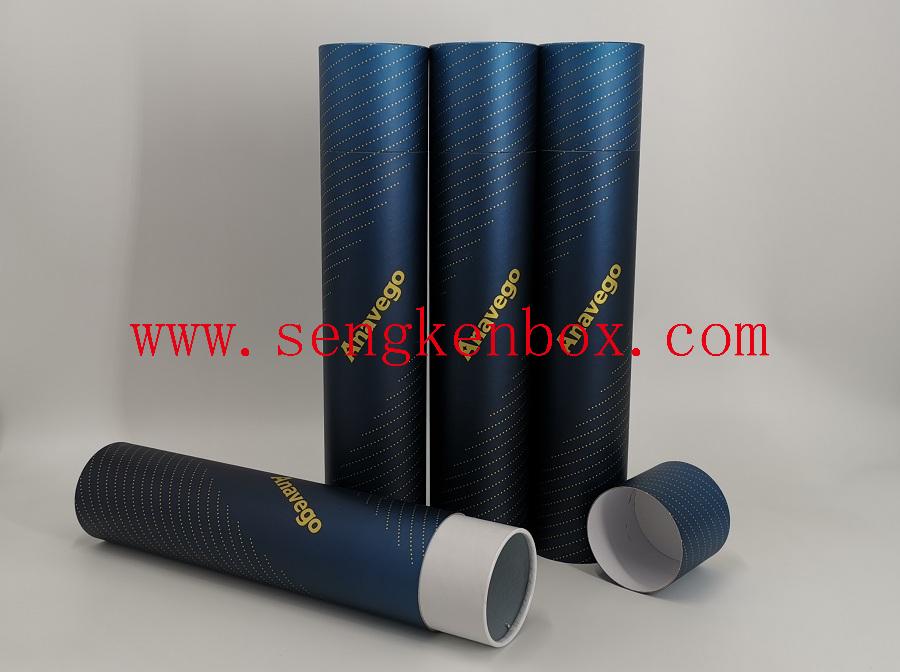
For businesses developing cylindrical packaging, custom cylinder paper tube packaging offers different structural and functional options. These include rolled-edge paper tubes, composite paper cans, sealed containers, and paper tubes with different lid configurations.
Choosing a manufacturer is particularly worth considering in the following situations:
- Your packaging requires customized dimensions, materials, or printing.
- You need samples to evaluate the design before confirming a bulk order.
- Your product requires specific sealing, moisture protection, or internal lining.
- You expect repeat orders and want to establish a stable supplier relationship.
- You need production-related feedback when adjusting packaging structures.
When Is a Trading Company a Better Choice?
A trading company can be a suitable choice when a buyer needs to source several different products, compare suppliers, or manage a broad purchasing project without communicating with multiple manufacturers individually.
For example, a retailer preparing a seasonal product launch may need paper packaging, plastic containers, labels, and promotional gift boxes. If these products come from different production categories, a trading company with an established supplier network may simplify coordination.
Trading companies can also be useful when buyers have limited sourcing experience and need assistance with supplier communication, product selection, or export arrangements.
Before placing an order, however, buyers should understand who is responsible for production, how product specifications are confirmed, where quality inspections take place, and how issues are handled if the delivered goods do not match the approved sample.
Key Factors to Evaluate Before Choosing a Packaging Supplier
Whether you choose a manufacturer or a trading company, the supplier's ability to meet your actual packaging requirements is more important than its business classification. A structured evaluation can help you make a more informed decision.
Customization Capabilities and Product Range
Start by checking whether the supplier has experience with the packaging structure and product category you need. Custom packaging may involve more than changing a printed logo. Buyers may also need adjustments to dimensions, paper materials, surface finishing, internal structures, and lid designs.
For example, a coffee brand may require a paper canister with a metal lid and an appropriate inner barrier, while a gift brand may prioritize decorative printing and a customized insert. These projects involve different design and functional considerations.
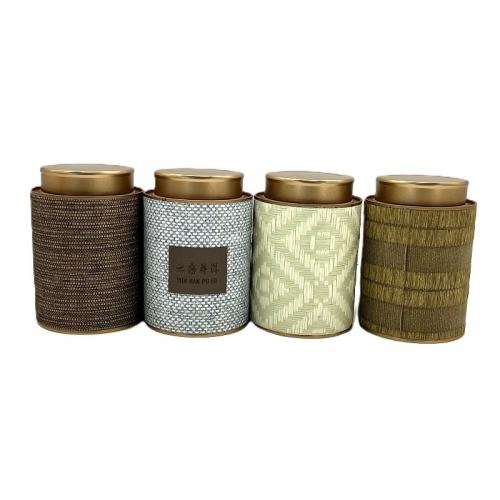
SengKen offers a range of packaging options, including rolled-edge paper tubes and airtight paper canisters, supporting different packaging applications and customization requirements.
Sampling and Product Development
A sample is an important step in custom packaging procurement. It allows buyers to check dimensions, material appearance, lid fit, printing colors, structural stability, and overall product compatibility before approving larger quantities.
When requesting a sample, provide clear specifications and artwork files whenever possible. Ask the supplier to confirm whether the sample represents the proposed mass-production materials and processes. If any differences are expected, they should be explained in advance.
For packaging used with food, cosmetics, or other products with specific safety requirements, buyers should also confirm the suitability of materials and request relevant supporting documentation where applicable.
Quality Control and Production Consistency
Packaging quality should be evaluated against clear and agreed specifications. Important inspection points may include dimensions, printing accuracy, color consistency, lid compatibility, sealing performance, surface finish, and packaging condition.
For repeat orders, consistency is especially important. Buyers should retain approved samples, confirm the final artwork version, and document key product specifications. This creates a clearer reference for subsequent production batches.
It is also useful to ask the supplier how production issues are identified, how non-conforming products are handled, and whether inspection records can be provided.
Minimum Order Quantity and Cost Structure
Price is an important factor, but the lowest quotation does not always represent the lowest total purchasing cost. Buyers should compare the complete quotation, including sampling fees, printing or tooling costs where applicable, packaging materials, shipping arrangements, and other agreed charges.
Minimum order quantity (MOQ) should also be considered in relation to your sales forecast and inventory capacity. A smaller initial order may help a new brand test the market, while larger repeat orders may provide better production planning opportunities.
Rather than asking only for a unit price, provide the supplier with your estimated order quantity and packaging specifications. This makes it easier to receive a quotation that reflects the actual project requirements.
Communication and After-Sales Support
Clear communication can prevent many avoidable purchasing problems. Before confirming an order, make sure the supplier understands the product application, required dimensions, artwork, packaging structure, target quantity, delivery expectations, and inspection standards.
It is equally important to confirm who will handle questions during sampling, production, shipment, and after-sales service. A dependable packaging partner should be able to explain the process and provide clear responses when adjustments are needed.
How SengKen Supports Custom Packaging Projects
SengKen is a packaging supplier based in Xiamen, China, with more than 20 years of experience in packaging printing and manufacturing. The company provides one-stop packaging supplies and solutions for business customers, covering multiple packaging categories rather than a single product type.
Its product range includes cylindrical paper tube packaging, paper cans, airtight paper canisters, shaker lid paper tubes, luxury gift boxes, flexible packaging, plastic packaging, and metal containers. This range allows buyers to explore different packaging options according to their product applications and branding requirements.
For brands looking for customized presentation packaging, SengKen also offers luxury gift box packaging options for different commercial and gifting applications.
According to the company's published profile, SengKen has served customers in more than 100 countries and regions and has developed over 1,000 customer customization solutions. Its services include customized packaging selection, printing, and product development, with sample making, small-batch customization, and larger-scale production options described on its product pages.
For buyers, the value of working with a supplier like SengKen is the opportunity to discuss different packaging categories and customization requirements through one business partner. Instead of evaluating only the unit price, buyers can consider product suitability, design options, sampling, and the overall purchasing process.
To learn more about the company's background and packaging services, visit SengKen's company profile.
Manufacturer or Trading Company: Which Is Right for Your Business?
There is no universal answer. The best supplier is the one that can meet your product requirements, provide transparent information, and support your purchasing process reliably.
If your project requires custom dimensions, specialized packaging structures, repeated production, or detailed printing requirements, a manufacturer with relevant experience may be the more direct option.
If your project involves sourcing multiple unrelated products, coordinating different suppliers, or consolidating purchasing services, a capable trading company may offer greater convenience.
Before making a final decision, ask potential suppliers these questions:
- Do you manufacture this packaging product directly or work with partner factories?
- Can you provide product samples before bulk production?
- Which materials, dimensions, printing methods, and structures can be customized?
- What is the MOQ for my specific design and order quantity?
- How do you confirm product quality and consistency?
- Who will handle communication and after-sales issues?
These questions help buyers understand the supplier's actual capabilities and responsibilities. A transparent supplier should be able to explain its production arrangements, customization scope, and order process clearly.
Discuss Your Custom Packaging Requirements with SengKen
Choosing a packaging supplier is a decision that affects product presentation, purchasing costs, inventory planning, and long-term brand development. Whether you need custom paper tubes, sealed paper cans, food packaging containers, or gift boxes, defining your requirements before requesting a quotation will make supplier evaluation more efficient.
SengKen provides a range of packaging products and customization services for business customers. Share your product type, preferred dimensions, material requirements, artwork, and estimated order quantity to help the team understand your project and recommend suitable packaging options.
Contact SengKen's packaging team to discuss your custom packaging project and request further product information.
Frequently Asked Questions
Is it cheaper to buy custom packaging directly from a manufacturer?
Buying directly from a manufacturer may reduce intermediary costs, but the final price depends on materials, customization, order quantity, production requirements, and shipping. Buyers should compare complete quotations rather than assuming that every manufacturer offers the lowest price.
Can a trading company provide custom packaging?
Yes. Many trading companies coordinate customized packaging orders through partner manufacturers. Buyers should confirm which factory will produce the goods, how specifications are communicated, and who is responsible for quality control.
What should I check before ordering custom paper tube packaging?
Confirm the tube diameter, height, paper material, wall structure, inner lining, lid type, printing artwork, surface finish, and intended product application. If the packaging is used for food or other regulated products, also verify material suitability and relevant compliance documentation.
Can I request samples before placing a bulk packaging order?
Sample availability depends on the product and customization requirements. Buyers should ask the supplier about sample costs, development time, material consistency, and whether the approved sample will be used as a reference for mass production.
Does SengKen provide more than paper tube packaging?
Yes. SengKen's published product range includes cylinder paper tube packaging, paper cans, airtight paper canisters, shaker lid paper tubes, luxury gift boxes, flexible packaging, plastic packaging, and metal container packaging.
What information should I provide when requesting a custom packaging quotation?
Provide the product application, packaging dimensions, material preferences, lid or closure requirements, printing artwork, estimated order quantity, and destination market. Reference photos or existing samples can also help clarify the required design.